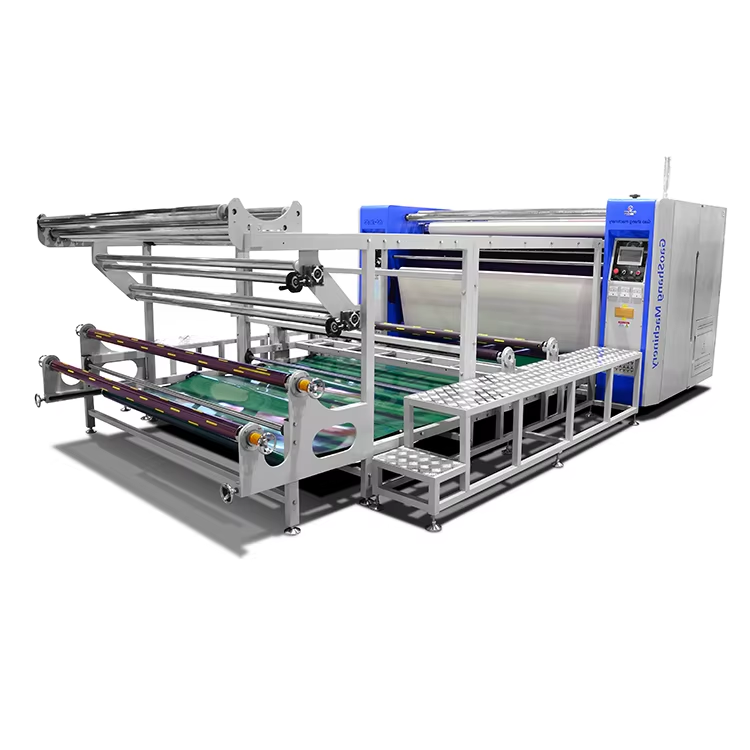
Calandra Thermal Integrity: Ensuring Uniform Heat DistributionWhy precise temperature uniformity matters across the calandra beltA calandra’s thermal integrity directly determines sublimation output quality. Even minor temperature gradients across th...
VIEW MORE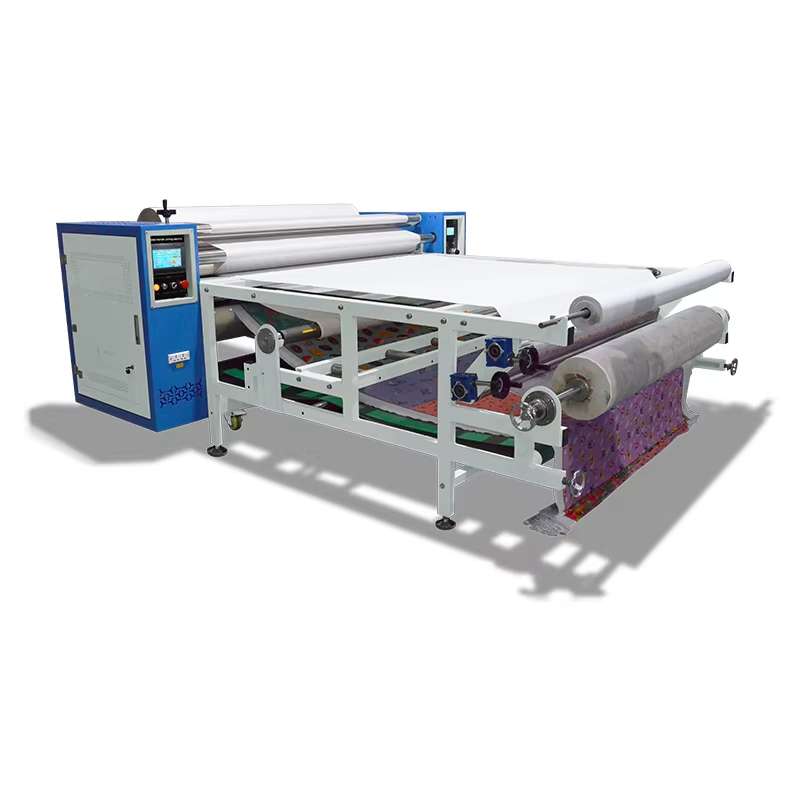
Roller Heat Press Machine Enables True Roll-to-Roll ProductionEliminating batch bottlenecks with continuous fabric feeding and heat transferA roller heat press machine redefines production flow by feeding fabric, transfer paper, and protective tissue...
VIEW MORE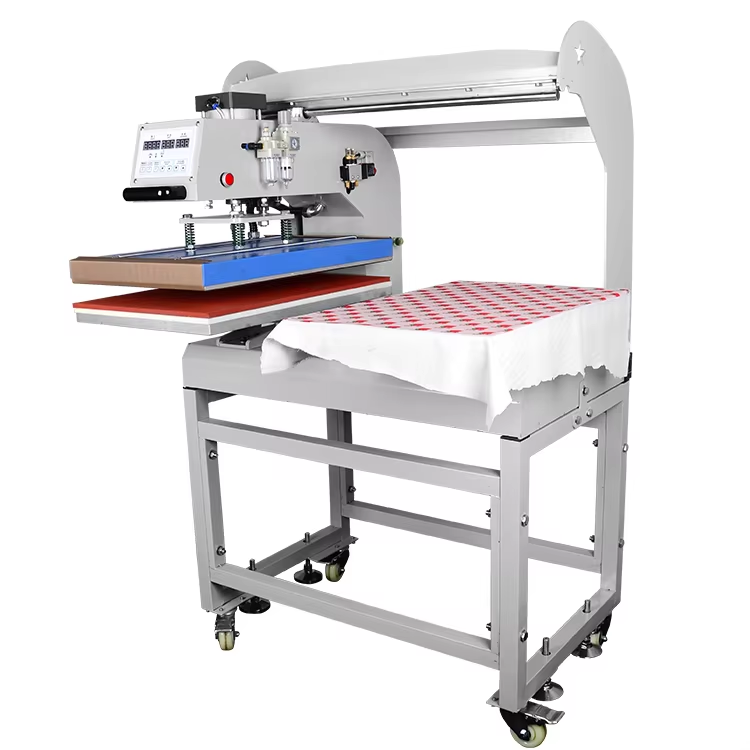
How Dual Heat Press Machine Architecture Enables Seamless Multi-Style ProductionIndependent dual-platen control: simultaneous yet distinct temperature, pressure, and time settingsThe defining engineering advantage of a dual heat press machine is its ...
VIEW MORE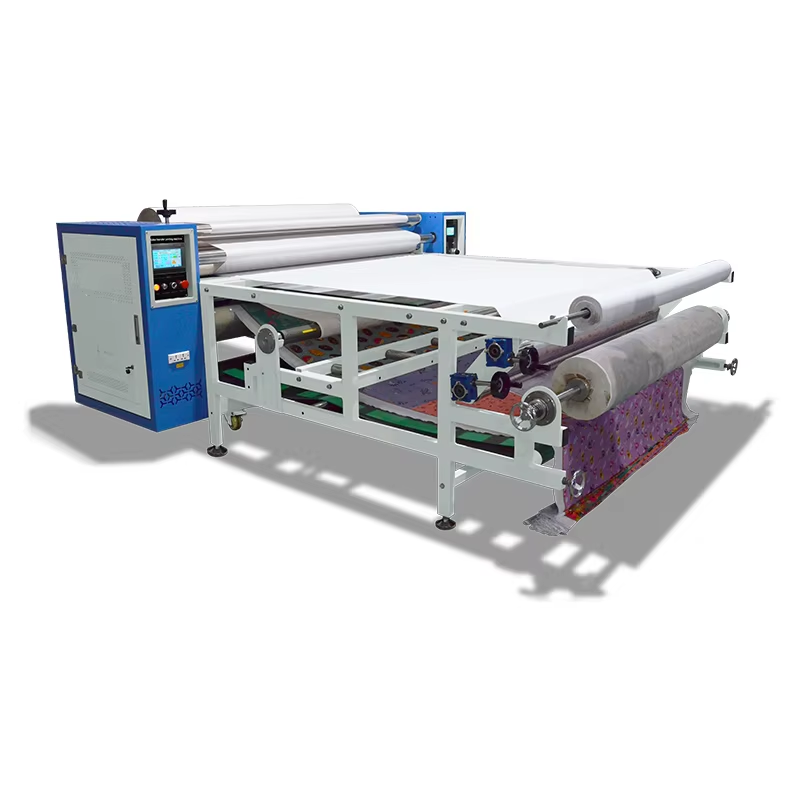
Why Calandra Performance Dictates Sublimation Quality and ThroughputThe calandra’s ability to uniformly apply heat and pressure directly determines how effectively dye sublimation occurs—making it the linchpin of both print quality and production spe...
VIEW MORE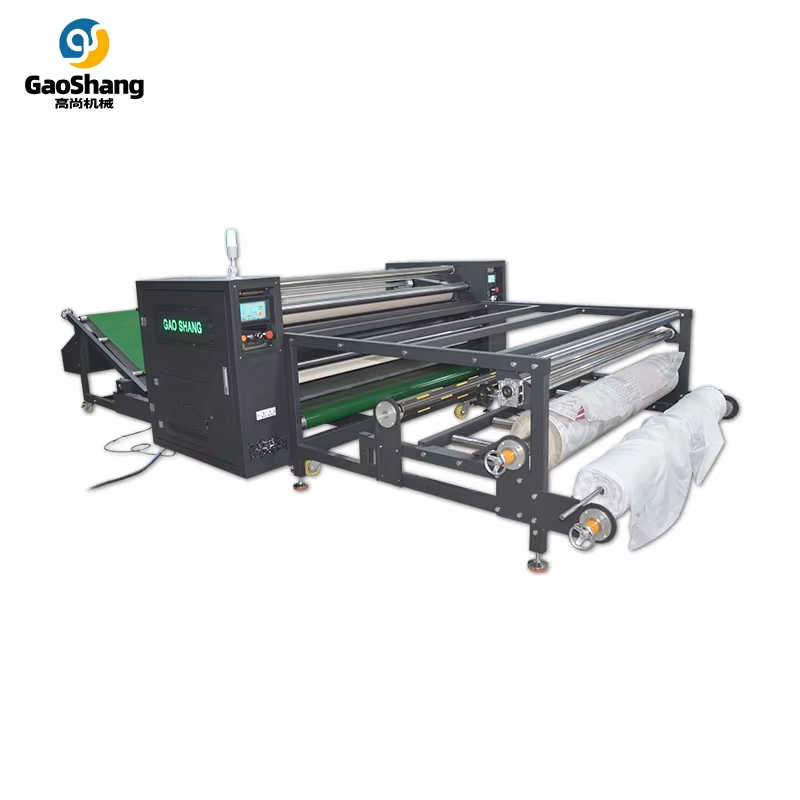
What Makes a Calandra Essential for High-Volume Commercial Sublimation?Sublimation printing delivers vibrant, durable designs that never crack, peel, or fade. Yet scaling to high-volume production with standard flatbed heat presses creates critical b...
VIEW MORE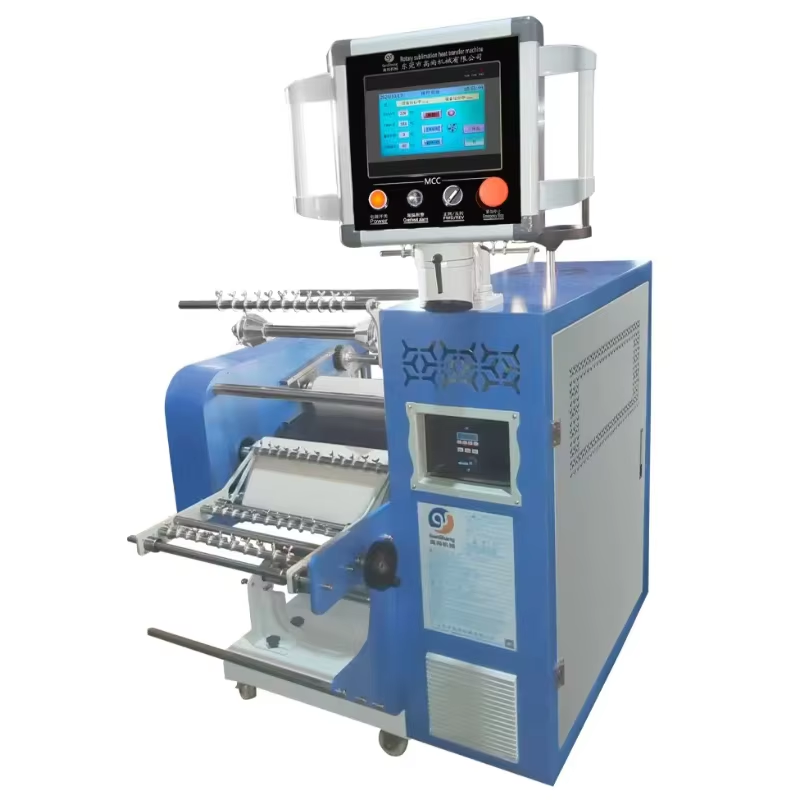
Core Operational Advantages of the Roller Heat Press MachineRotary Design Enables True Continuous Web Feeding vs. Batch-Limited Flatbed SystemsThe roller heat press machine transforms production flow by enabling true continuous web feeding—eliminatin...
VIEW MORE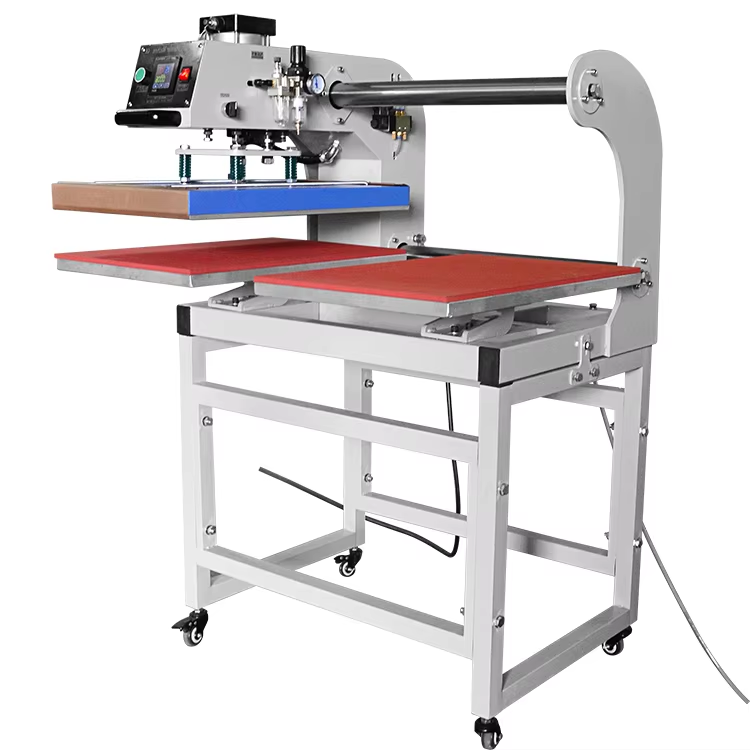
Why Independent Maintenance Is Critical for Dual Heat Press Machine Performance For any dual heat press machine, independent maintenance of each station is not just a recommendation—it’s a necessity. The two platens often operate under ...
VIEW MORE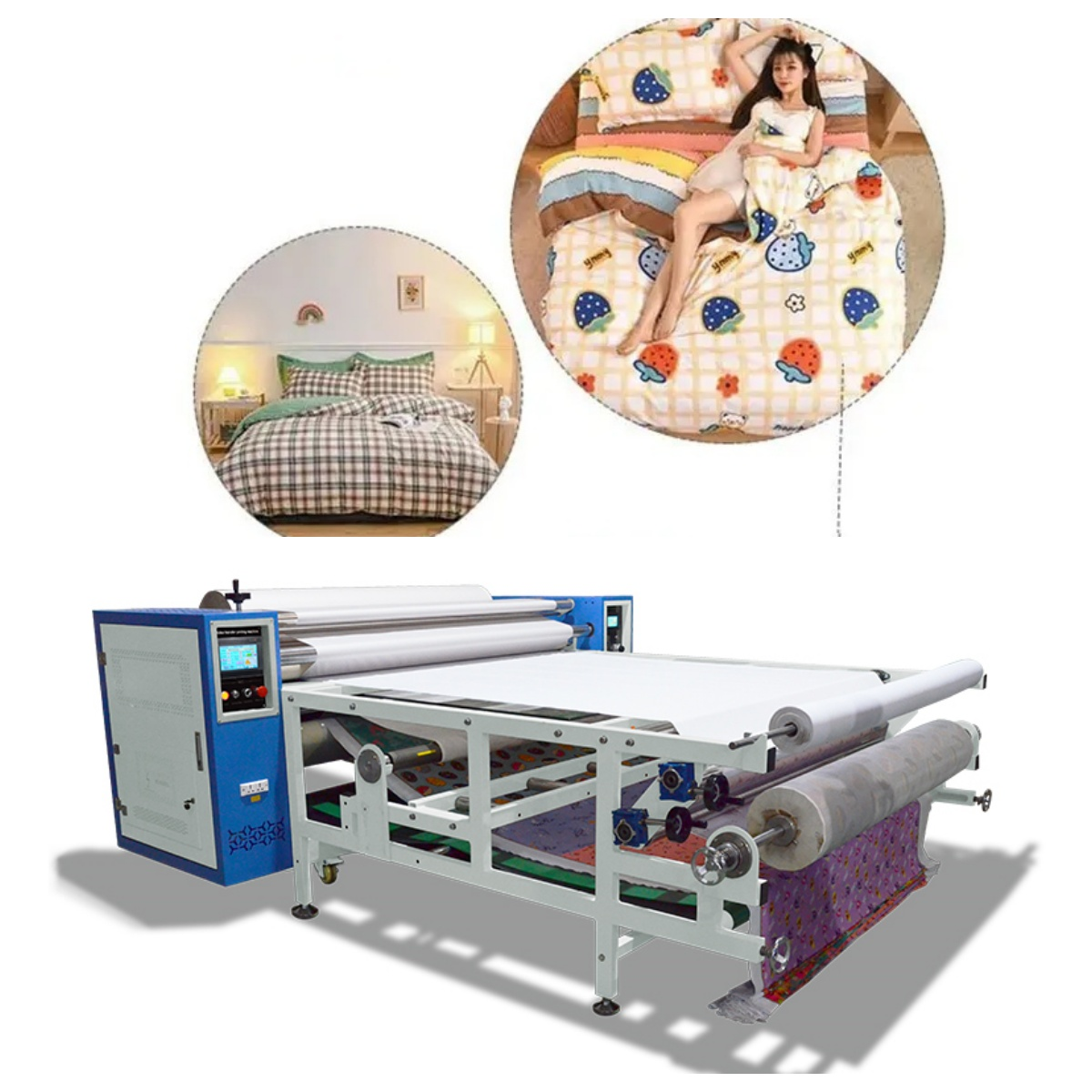
Solving the Throughput Bottleneck with Continuous Roll to Roll Heat Press Processing The Cost of Batch-Based Heat Transfer: Downtime, Waste, and Inconsistent Bonding Batch heat press operations create persistent productivity choke points in textile...
VIEW MORE
Why Fabric Alignment Is Critical for Roll to Roll Heat Press Machine Performance Precise fabric alignment on a roll to roll heat press machine is non-negotiable for optimal results. Even minor deviations—as little as 1 millimeter—can ca...
VIEW MORE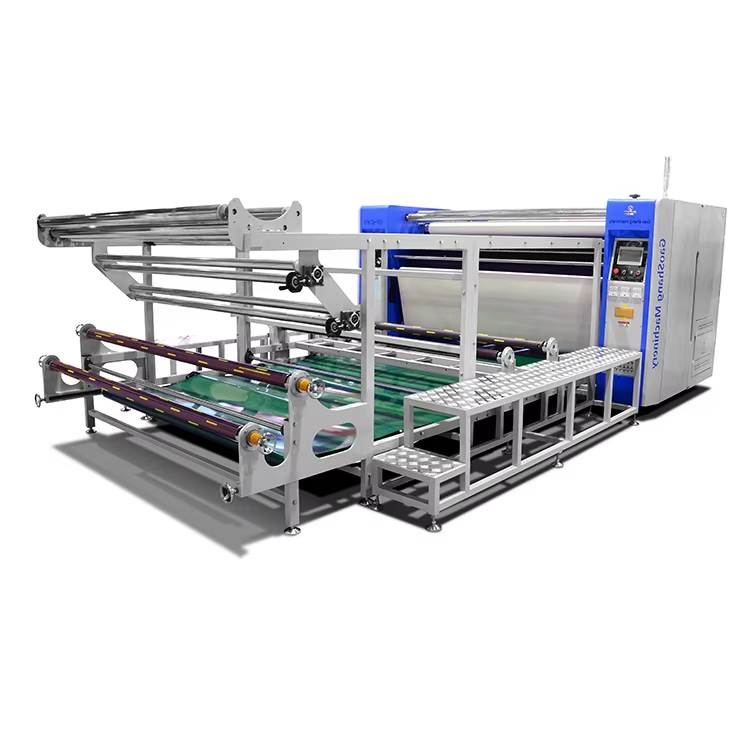
How Speed Impacts Heat Transfer and Print Quality in a Roll to Roll Heat Press Machine The Role of Dwell Time in Sublimation and Thermal Transfer Efficiency Dwell time—the duration the substrate remains in contact with the heated roller&mdash...
VIEW MORE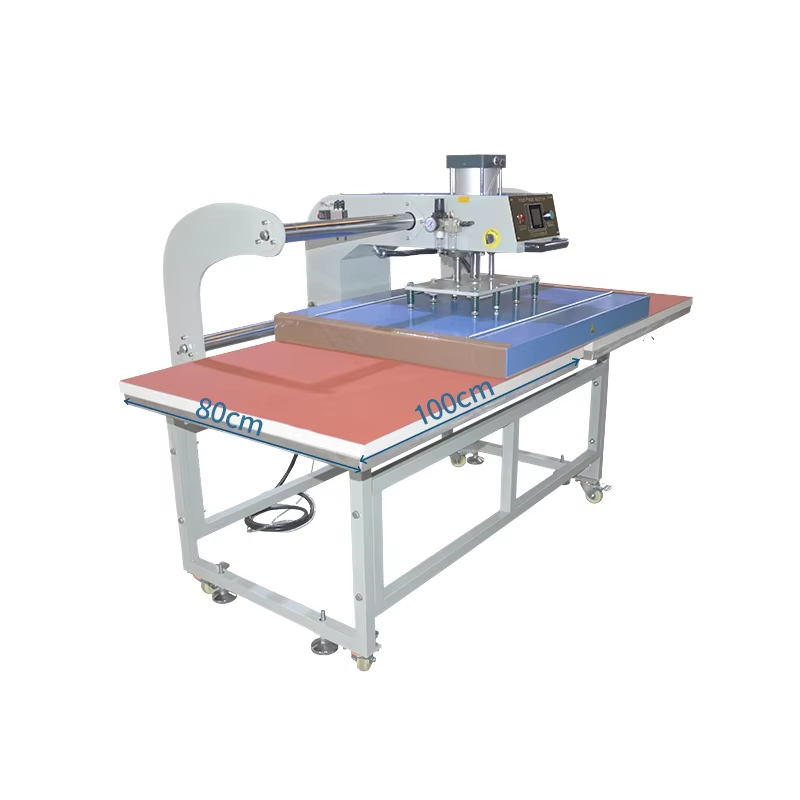
Mastering Core 80x100 Heat Press Machine Settings Temperature Calibration for Polyester, Cotton, and Blends Achieving consistent results with an 80x100 heat press machine starts with precise temperature calibration for your target substrates. Cotto...
VIEW MORE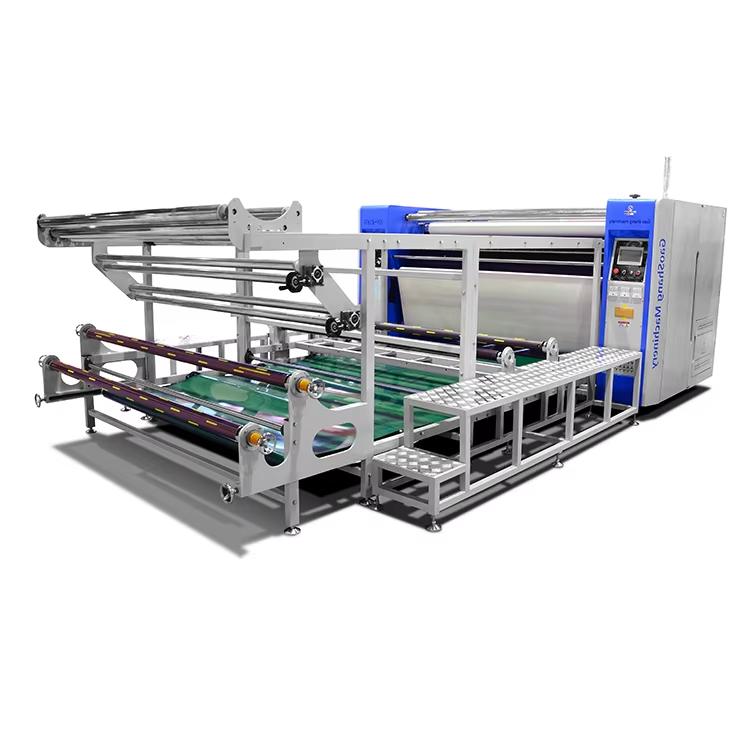
How Roll to Roll Heat Press Machines Eliminate Batch Processing Bottlenecks Batch processing with flatbed heat presses creates a stop-start workflow that limits throughput. Each garment must be manually loaded, pressed, cooled, and unloaded before ...
VIEW MORE


 EN
EN