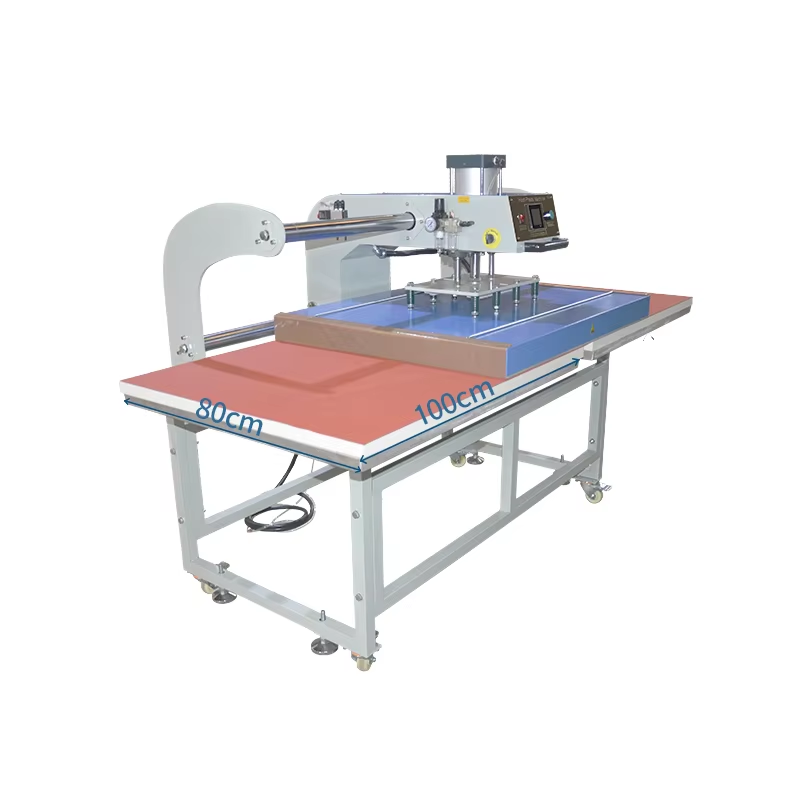
Why a Dual Heat Press Machine Is Essential for Mixed-Substrate ApplicationsThe Limitation of Single-Zone Presses with Diverse MaterialsSingle-zone heat presses apply uniform temperature and pressure across the entire platen—ideal for homogeneous runs...
VIEW MORE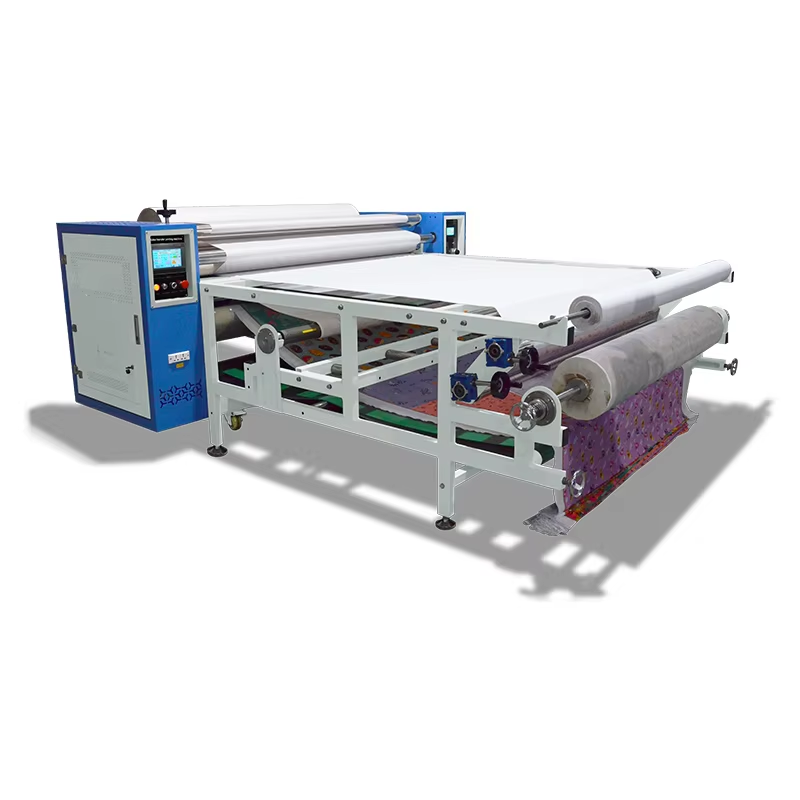
Roller Diameter and Transfer Width: Aligning Machine Scale with Production RequirementsHow transfer width determines substrate versatility—from narrow trims to wide-format textilesThe transfer width of a roller heat press machine directly dictates th...
VIEW MORE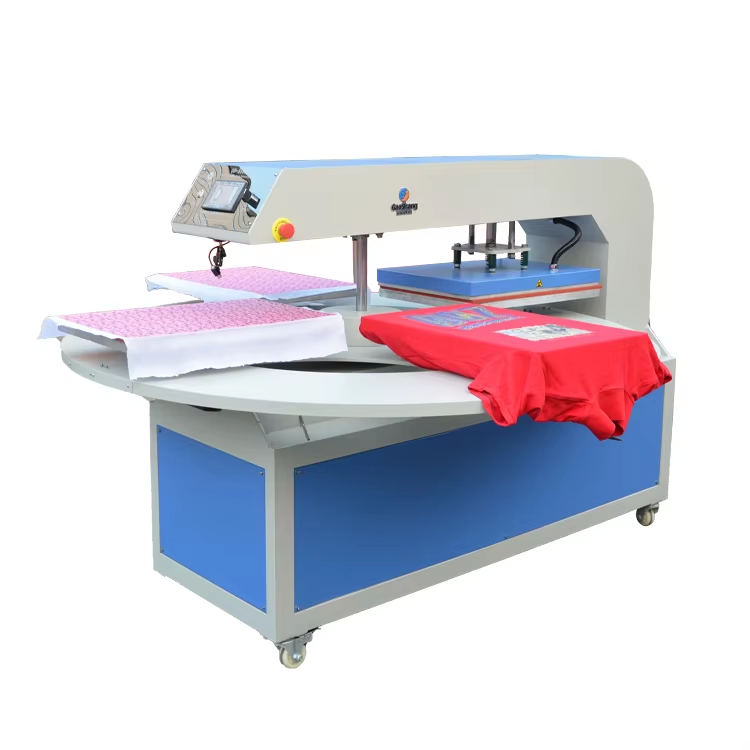
How a Sublimation Heat Press Machine Controls the Core Transfer ProcessSolid-to-Gas Transition: Why Precise Thermal Activation Is Non-NegotiableSublimation relies on a direct solid-to-gas phase change—dye particles in transfer paper vaporize without ...
VIEW MORE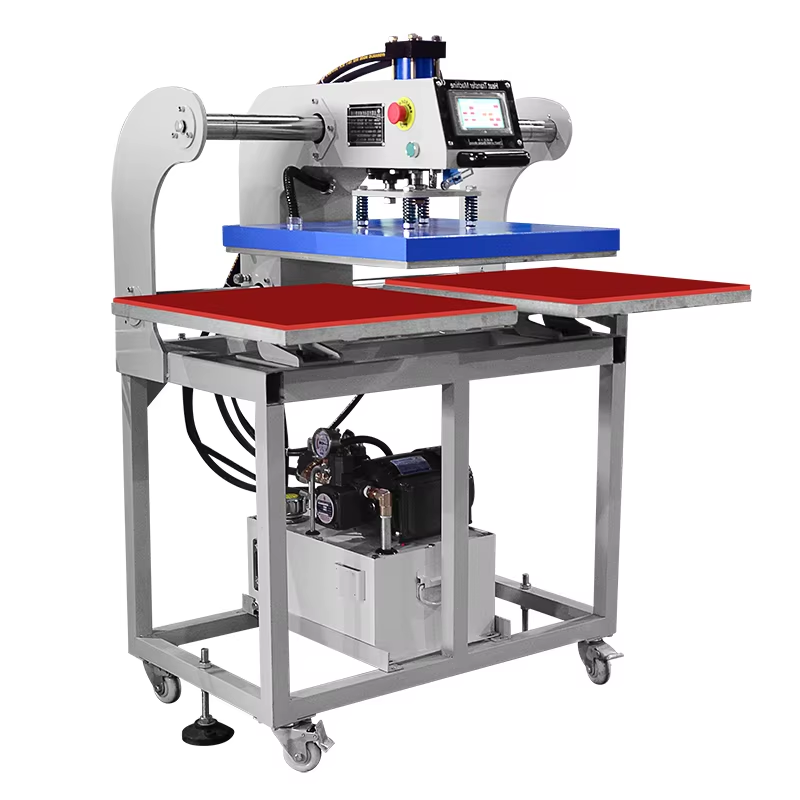
What Is an Auto Heat Press Machine and How It Solves Core Production Pain PointsCore Functionality: Precision Temperature, Pressure, and Timing Control via AutomationAn auto heat press machine replaces manual lever operation with a fully automated sy...
VIEW MORE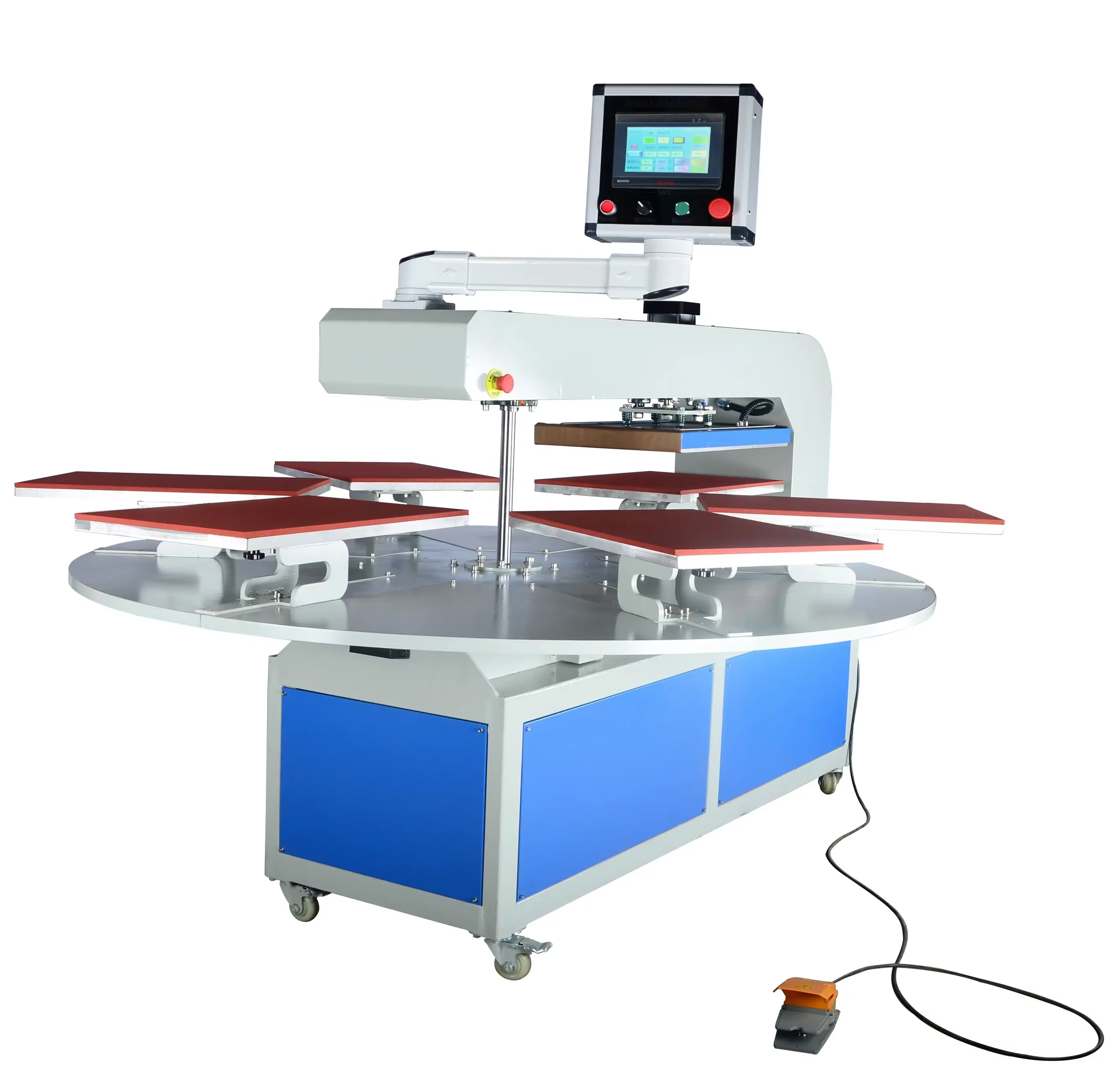
Core Functional Differences of a Dual Heat Press MachineIndependent Dual Platens Enable True Simultaneous OperationsA dual heat press machine redefines production workflow by housing two independently controlled platens—each managing its own temperat...
VIEW MORE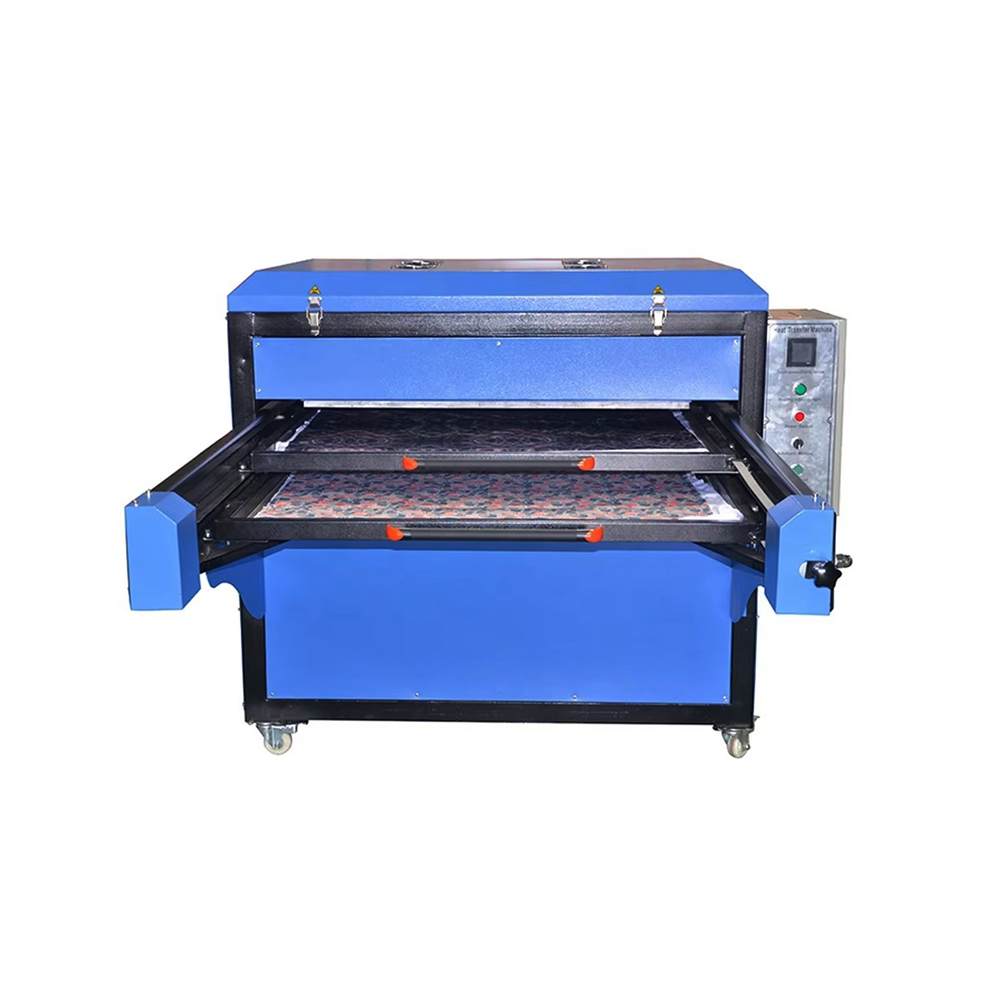
Daily Care for Long-Term Sublimation Heat Press ReliabilityCleaning Platens and Inspecting Electrical ConnectionsClean the upper and lower platens after every use with a non-abrasive, solvent-free cleaner. Residue from sublimation paper, polyester fi...
VIEW MORE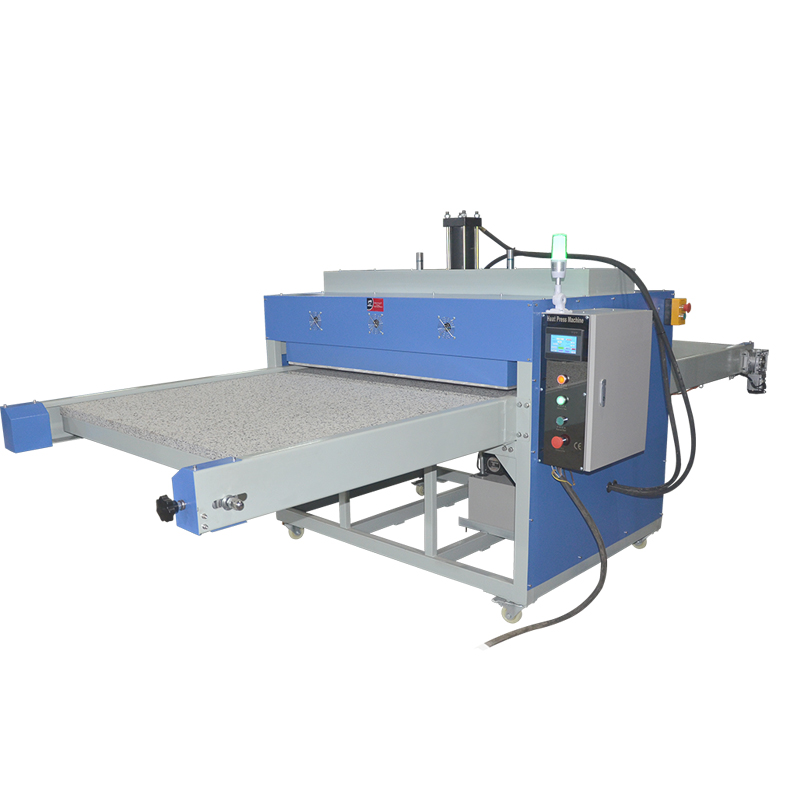
Core Technical Requirements for a High-Performance Sublimation Heat Press MachineA sublimation heat press machine must deliver precise temperature, uniform pressure, and repeatable control to convert solid dyes into vibrant, durable fabric prints. Th...
VIEW MORE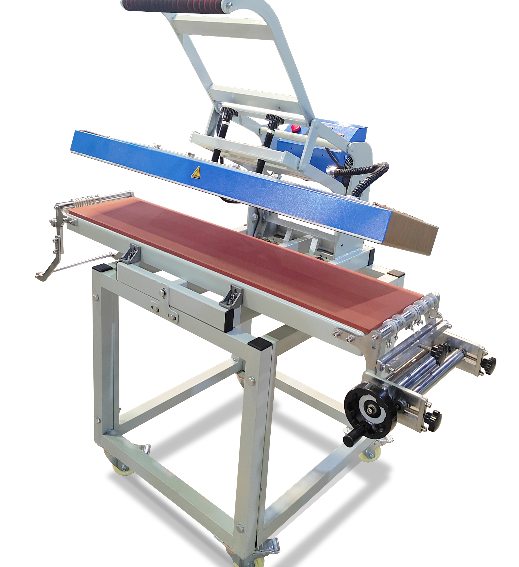
How a Lanyard Heat Press Machine Works: Core Function and Key ComponentsPurpose-Built Design: Why Lanyard Heat Press Machines Differ from Standard Heat PressesA lanyard heat press machine is engineered specifically for the narrow, elongated shape of ...
VIEW MORE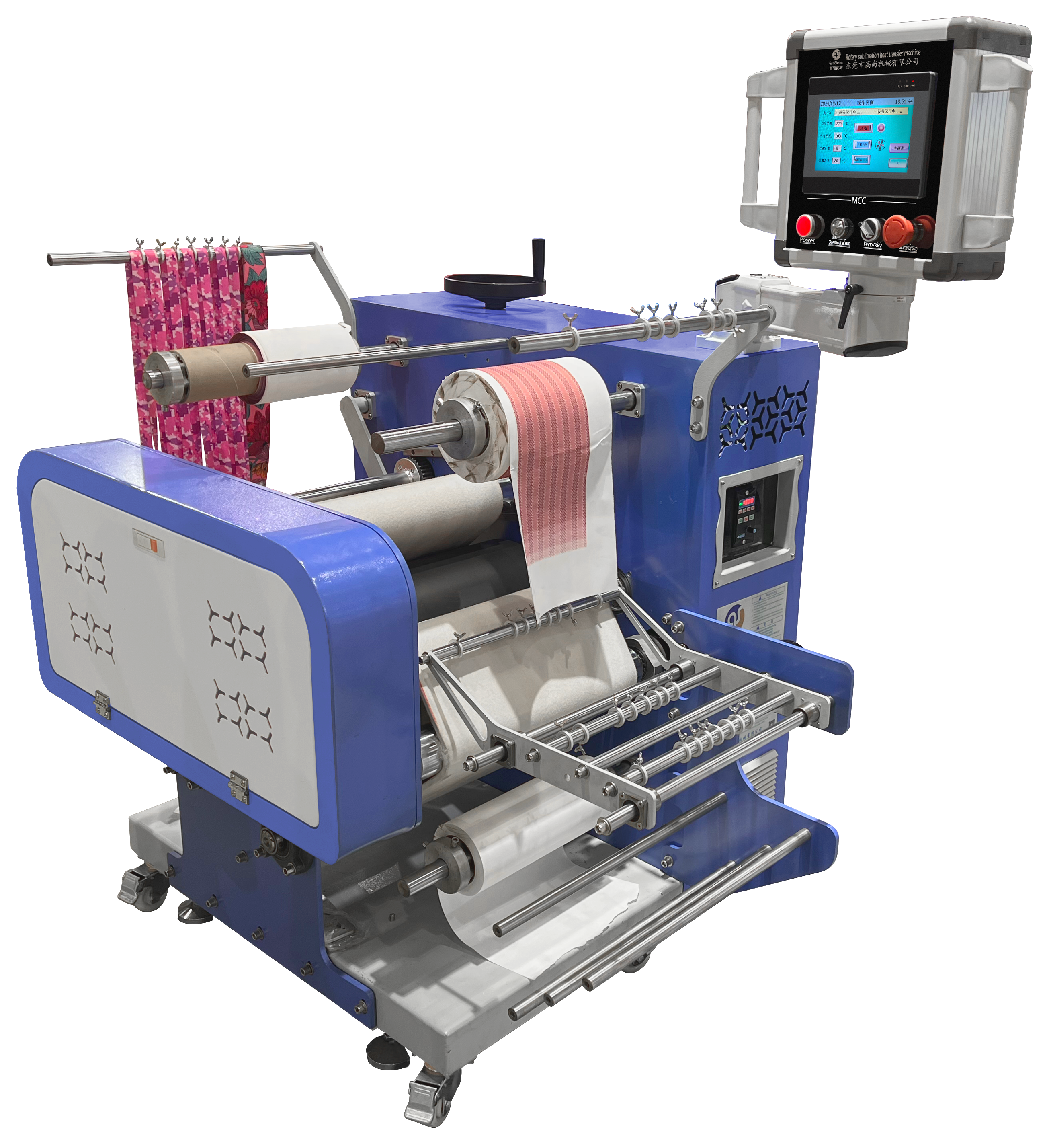
Core Types of Lanyard Heat Press Machines and Their Production ImplicationsFlatbed vs. Rotary Designs: Throughput, Registration Accuracy, and Lanyard Material CompatibilityFlatbed and rotary lanyard heat press machines serve fundamentally different p...
VIEW MORE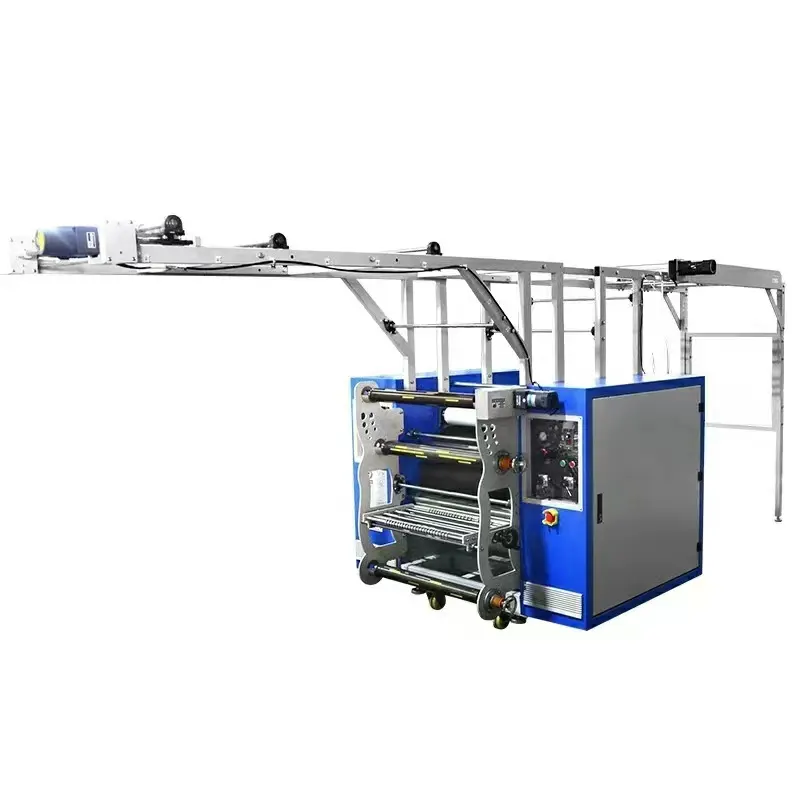
Why Logo Clarity Fails: Sublimation Challenges Unique to Lanyards Dye sublimation is the go-to method for full-color, durable logo application on polyester lanyards—yet achieving razor-sharp clarity remains a persistent challenge. Unlike flat, rigid...
VIEW MORE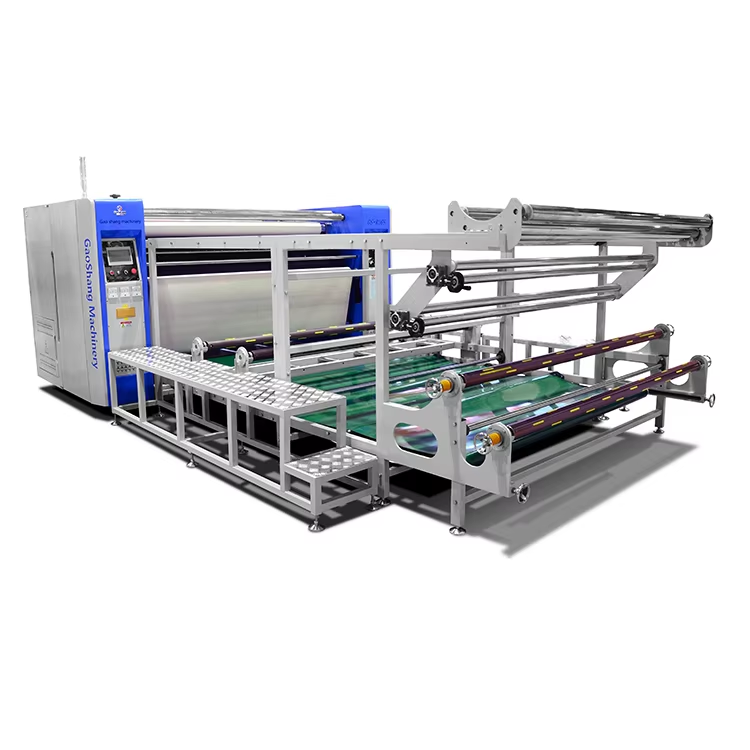
Roller Heat Press Machine Core Advantages for Home Textile ProductionTransitioning from manual, piece-by-piece pressing to an automated process directly addresses the primary scalability challenges in home textile printing. The core engineering of th...
VIEW MORE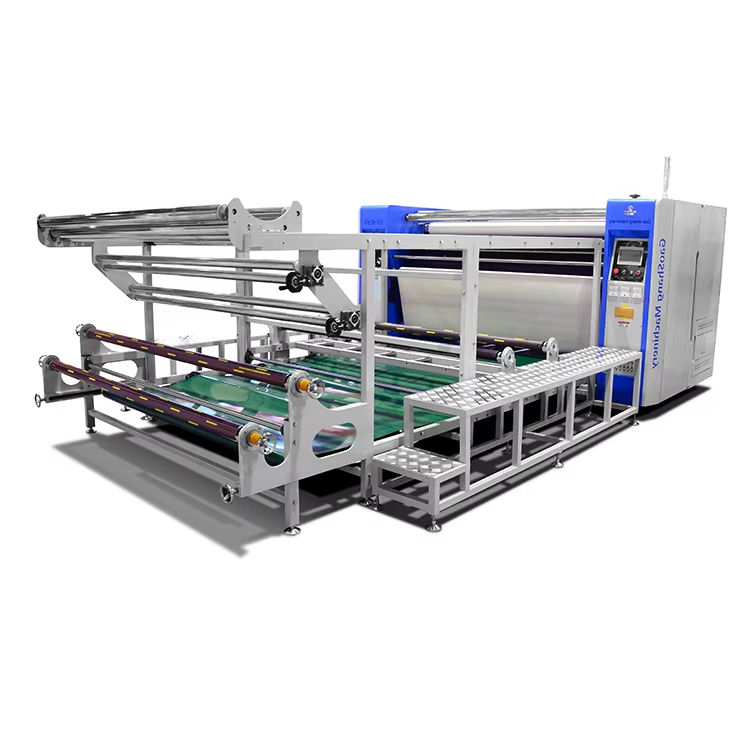
Why Roller Heat Press Machine Cleaning Is Critical for Print ConsistencyInk, adhesive residue, and lint accumulate on rollers and platens with every cycle—disrupting the even distribution of heat and pressure essential for reliable transfer adhesion....
VIEW MORE


 EN
EN