
 EN
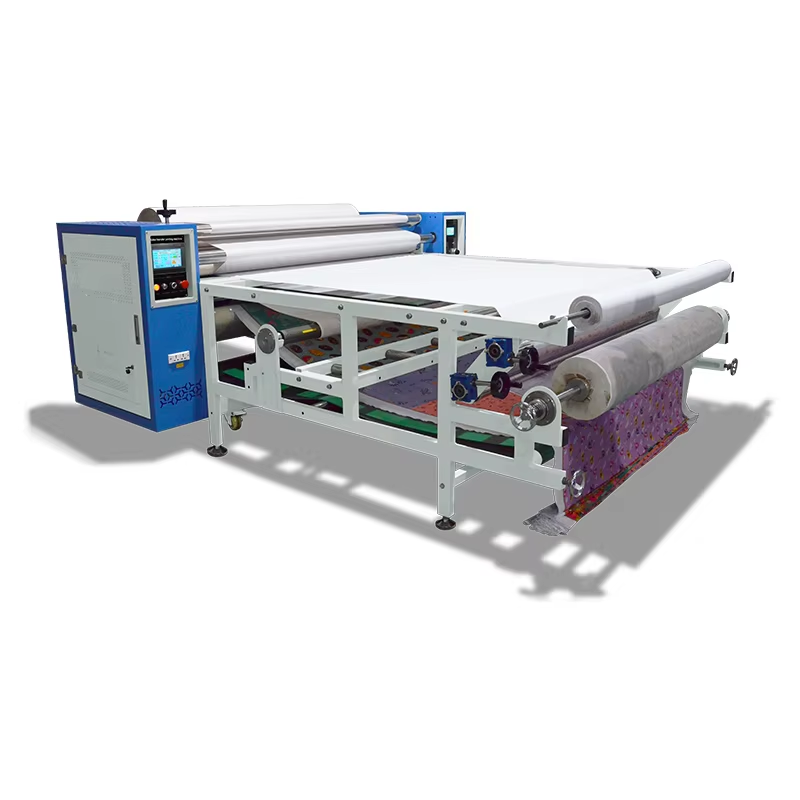
The temperature setting on your sublimation heat press machine directly determines transfer quality and color fidelity. While a general range of 190°C to 204°C (375°F–400°F) covers many substrates, each material demands distinct adjustments to dwell time, pressure, and thermal ramp-up protocols. For a full breakdown of equipment configurations and heating profiles across industrial applications, consult our core
Thermal Profiles by Substrate Category
Polyester Fabric: Ideal Range (190°C–204°C / 375°F–400°F), Common Pitfalls, and Color Fidelity Data
Polyester fabrics require a precise temperature window of 190°C to 204°C (375°F–400°F) to sublimate effectively. At the lower end, dye particles fail to fully vaporize, causing pale, washed-out tones and poor wash fastness. Above 204°C (400°F), fabric scorch risks increase sharply, and excessive heat triggers dye migration, blurring fine details. Most 100% polyester textiles achieve peak color saturation when pressed at 196°C (385°F) for 45–60 seconds under medium mechanical pressure (approx. 40–50 PSI).
This operational window relies on polymer physics: heating opens the amorphous regions in the synthetic polymer structure, allowing gaseous dye penetration. Insufficient heat leaves the crystalline regions intact, blocking color uptake. Color fidelity testing reveals that a 3°C (5°F) deviation from the 196°C (385°F) midpoint increases Delta E (color variance) by over 2 points, causing brand logos to drift out of spec.
Common pitfalls include:
-
Uneven Platen Temperature: Causes ghosting and color shifts near seams.
-
Residual Moisture: Trapped humidity leads to steam bubbling and dye repulsion; pre-press fabrics for 5–10 seconds to purge moisture before transfer.
-
Fiber Blend Variations: Elastane or spandex additions (even 5%) alter thermal tolerance and require slight dwell time reductions to avoid surface glaze.
Ceramic & Glass Blanks: Managing Thermal Mass with Controlled Ramp Protocols
Ceramic mugs, tiles, and glass blanks possess high thermal mass, making them vulnerable to heat lag and thermal shock. Unlike flexible textiles, rigid substrates require a controlled ramp-up to guarantee even dye release without over-curing the surface coating while the internal core remains cold.
A graduated thermal ramp prevents stress fractures and uneven diffusion:
-
Pre-heat Phase: Pre-warm blanks at 177°C (350°F) for 15–20 seconds to raise core temperature.
-
Transfer Phase: Ramp up to 204°C (400°F) for 50–60 seconds for complete dye penetration.
Glass substrates present additional challenges due to low thermal conductivity. Thin polymer coatings can overheat rapidly, resulting in a cloudy blue haze or micro-bubbling. Empirical shop-floor data indicates that graduated heating profiles improve transfer efficiency by up to 18% on cylindrical ceramics compared to static single-stage pressing.
Shop-Floor Tip: Always secure transfer paper with high-temperature polyimide tape and apply a flexible silicone wrap to ensure uniform pressure distribution across curved ceramic surfaces. Surface temperature variations of as little as 3°C (5°F) can leave permanent ghosting marks.
Metal Substrates & Coated Tumblers: Balancing Surface Conductivity and Coating Integrity
Metal blanks—specifically coated aluminum sheets and stainless steel tumblers—conduct heat rapidly, requiring tight process control to prevent coating breakdown. Set your press to 190°C–199°C (375°F–390°F) with a dwell time of 45–60 seconds.
Because metal dissipates heat rapidly across its surface, platen uniformity is critical; thermal hot spots will blister or yellow the clear sublimation coating. For cylindrical drinkware, rotary presses apply continuous pressure, but curvature can still introduce micro-gaps. Utilizing high-density shrink-wrap sleeves or dedicated pneumatic mug attachments maintains constant physical contact.
Industrial finishing standards highlight that a 1.5°C (3°F) surface temperature fluctuation reduces image edge sharpness by up to 12% on coated aluminum. Pre-heating raw metal blanks for 5 seconds before positioning the graphic normalizes initial surface temperature, preventing rapid thermal drawdown from the top platen.
Key Variables Influencing Heat Press Temperature Accuracy
Substrate Composition: Fiber Blend Ratios and Coating Uniformity
Polyester content dictates sublimation performance. Blanks labeled "sublimation-ready" may fail if the actual fiber content drops below 65% polyester or if factory-applied coatings suffer from uneven thickness.
-
High-Polyester Blanks (85%–100%): Accept dye consistently at 196°C–204°C (385°F–400°F).
-
Poly-Blends & Mixed Substrates: Cotton or modal blends retain and disperse heat unevenly, increasing defect rates by up to 22% when static temperature profiles are used.
-
Coated Hard Goods: The dense core material acts as a heat sink, drawing energy away from the surface film. Verify true surface temperature using non-contact infrared pyrometers or calibrated contact thermocouples rather than relying on equipment digital readouts alone.
Press Calibration, Platen Consistency, and Ambient Conditions
Factory digital displays often drift over time. Built-in thermostats regularly exhibit variations of 3°C–6°C (5°F–10°F) from actual platen face readings. Regular thermal mapping using multi-point pyrometer arrays identifies cool zones before full production runs are compromised.
Environmental factors directly impact thermal stability:
-
Ambient Room Temperature: Maintain production areas at 21°C–23°C (70°F–74°F).
-
Relative Humidity: Keep shop humidity between 40%–50%. Drafts or moisture spikes alter transfer paper water content, causing steam spots or dye bleeding.
-
Recalibration Schedule: Recalibrate heating element controllers every 500 operational cycles or monthly under heavy single-shift usage.
Consequences of Temperature Deviation
Under-Pressing: Ghosting, Low Saturation, and Incomplete Dye Diffusion
Under-pressing occurs when platen temperature falls below 190°C (375°F) for textiles or target dwell times are cut short. Insufficient thermal energy prevents solid dye particles from fully sublimating into a gas, leaving active colorant trapped on the transfer paper.
-
Ghosting: A faint double-image caused by incomplete gas transfer and paper shift during release.
-
Low Saturation: Dull, faded graphics resulting from partial dye diffusion into the substrate coating.
-
Poor Fastness: Unbonded surface dye washes out during initial laundry cycles, leading to customer returns.
Over-Pressing: Gamut Compression, Bleeding, and Substrate Yellowing
Exceeding 204°C (400°F) or over-extending dwell time triggers aggressive, uncalibrated dye sublimation, compromising print fidelity and substrate integrity:
-
CMYK Gamut Compression: Overheated dyes spread laterally beyond target zones, muddying shadow details, turning rich blacks into brown hues, and shifting cyans.
-
Graphic Bleeding: Uncontrolled gas expansion blurs fine line art, vector text, and sharp geometric borders.
-
Substrate Scorching & Yellowing: Prolonged exposure to high heat permanently yellows white ceramic coatings and burns delicate synthetic fibers—causing irreversible material loss.
Frequently Asked Questions (FAQ)
-
What is the ideal temperature range for sublimating polyester fabrics?
The optimal range is 190°C to 204°C (375°F–400°F), with standard 100% polyester achieving peak color fastness at 196°C (385°F) for 45–60 seconds under medium pressure.
-
How do I prevent thermal shock when sublimating glass and ceramic blanks?
Implement a graduated ramp profile: pre-heat the blank at 177°C (350°F) for 15–20 seconds to stabilize the core temperature before stepping up to 204°C (400°F) for final transfer.
-
Why does platen temperature uniformity matter on large format presses?
Cold spots across the platen cause localized under-transfer, resulting in uneven color density, edge fading, and batch rejection across multi-piece gang sheets.
-
What are the main visual signs of over-pressing?
Over-pressing causes blurry graphic edges (dye bleed), compressed CMYK color spaces (muddy blacks/browns), fabric glazing, and clear-coat yellowing on rigid substrates.
-
How frequently should heat press equipment be calibrated?
Verify platen surface temperatures using an external contact pyrometer every 500 cycles or once per month to correct internal thermostat drift.

