
 EN
EN
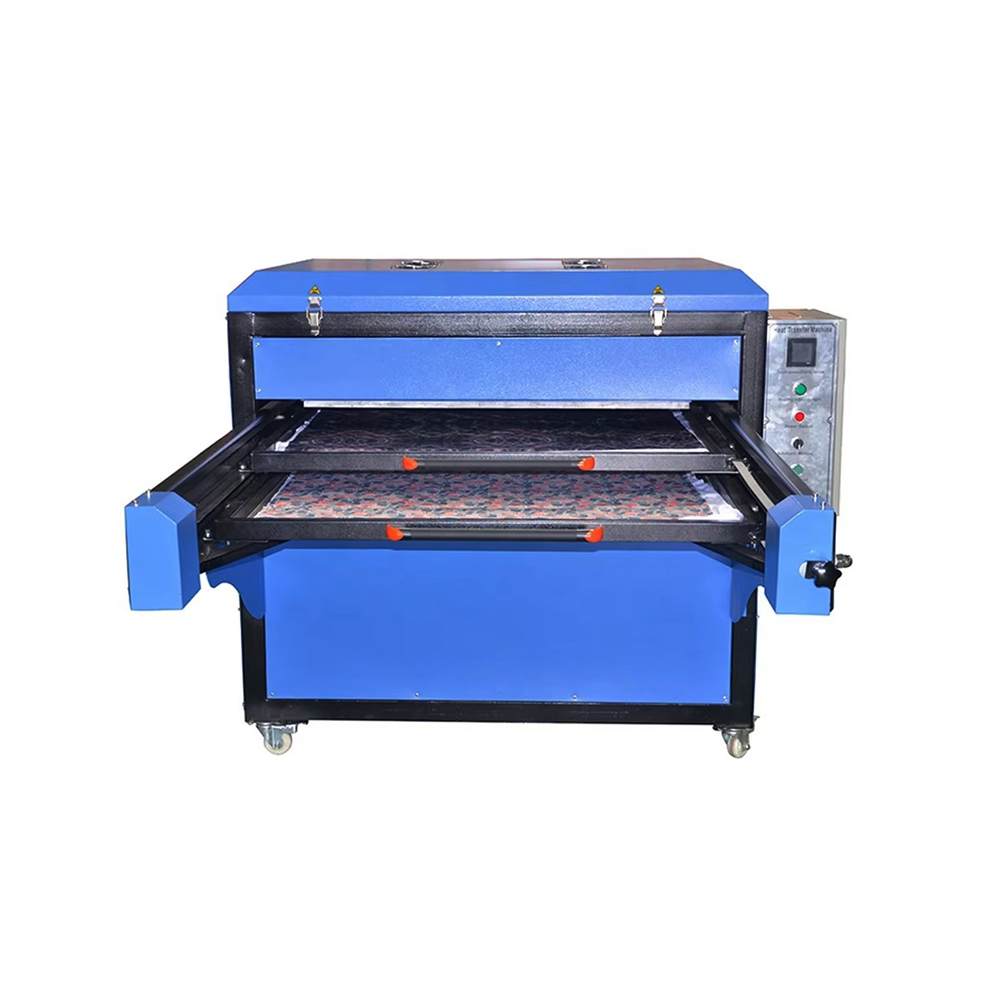
Daily Care for Long-Term Sublimation Heat Press Reliability
Cleaning Platens and Inspecting Electrical Connections
Clean the upper and lower platens after every use with a non-abrasive, solvent-free cleaner. Residue from sublimation paper, polyester fibers, or adhesive buildup creates hot spots—leading to uneven transfers and ghosting. Wipe surfaces while still warm to soften debris, then inspect for carbonized stains. A clean platen ensures consistent heat distribution and extends machine life. Next, examine all accessible electrical connections—including the power cord, plug, and terminal block—for frayed insulation, discoloration, or loose screws. Tighten terminals and replace damaged wiring immediately: loose connections cause voltage drop, intermittent heating, and, in extreme cases, electrical arcing that can damage the controller.
Checking Teflon Sheets and Silicone Pads for Damage or Degradation
Inspect the upper platen’s Teflon sheet and lower silicone pad for tears, thinning, hardening, or surface cracks. Repeated thermal cycling degrades silicone, reducing its ability to distribute pressure evenly; a compromised pad causes partial adhesion, subtle color fading, or peeling after washing. Replace discolored, sticky, or brittle Teflon sheets promptly—tears allow ink to seep onto the platen, requiring costly cleanup and risking transfer defects. Rotate or replace silicone pads every few months based on usage volume. Early detection preserves output consistency and avoids downstream quality issues.
Preventive Maintenance: Lubrication and Mechanical Integrity
Lubricating Pistons, Rods, and Pivot Joints to Reduce Friction and Wear
Pistons, rods, and pivot joints endure high-pressure cycles and elevated temperatures. Without proper lubrication, metal-on-metal contact accelerates wear—causing uneven pressure and unplanned downtime. Apply a high-temperature, food-grade molybdenum disulfide grease monthly—or after every 500 cycles—as recommended by most manufacturers. Focus on air cylinder pistons and rod linkages, where friction is highest. Avoid over-lubrication to prevent debris accumulation. After application, cycle the press several times to ensure even distribution. Consistent lubrication reduces wear rates by up to 40% and lowers energy consumption, forming a foundational preventive step for long-term reliability.
Tightening Bolts and Verifying Frame Alignment to Maintain Consistent Pressure
Vibration and thermal expansion gradually loosen fasteners. Use a torque wrench quarterly to tighten all frame bolts and platen mounting screws to the manufacturer’s specified torque. Misalignment can cause pressure variation exceeding 15%, directly impacting transfer quality. After tightening, verify uniform contact across the entire platen using pressure-sensitive film. Re-align the upper and lower platens if needed. This 10-minute check prevents uneven wear, safeguards mechanical integrity, and ensures repeatable results.
Calibration and Performance Verification for Optimal Sublimation Heat Press Output
Temperature Calibration Using a Digital Thermocouple Probe (±2°C Drift Reduces Yield by Up to 14%)
Accurate temperature control is essential for consistent dye sublimation. Use a digital thermocouple probe to measure actual platen surface temperature—not just the controller’s readout. Place the probe at the center, edge, and corner of the lower platen; compare the average to the displayed temperature. A drift of ±2°C can reduce transfer yield by up to 14%, as small deviations shift dye release kinetics—causing color shifts or incomplete sublimation. Enter the offset into the controller’s calibration settings. Repeat this test monthly or after 500 cycles. If drift exceeds ±2°C and cannot be corrected, the heating element or thermostat likely requires replacement. Regular calibration preserves color fidelity and minimizes material waste.
Validating Pressure Uniformity and Heating Element Response Time
Pressure uniformity directly influences ink transfer and image sharpness. Use pressure-indicating film—or carbon paper layered between white paper—to generate a pressure map: close the press at operating temperature for 10 seconds, then assess the imprint. Light or blank areas indicate low pressure, contributing to ghosting or incomplete sublimation. Adjust the pressure knob and retest until coverage is even. Separately, evaluate heating element response time: start a cold-cycle press and time how long the platen takes to reach setpoint. A healthy element stabilizes within 15–20 seconds; delays beyond 30 seconds suggest degradation or electrical faults. Conduct both tests quarterly to catch performance drift before it affects production.
Early Detection and Intervention for Sublimation Heat Press Failure Risks
Sustained high-volume output depends on recognizing subtle warning signs before they escalate. Thermal stress gradually degrades components—so routine observation is critical. Watch for uneven print density, faint ghosting, or persistent temperature overshoot during warm-up. Even minor deviations—just a few degrees—can distort color vibrancy and adhesion. Listen for irregular clicking or hissing from the pneumatic system, which often signals a failing solenoid or air leak. Visually inspect the platen: yellowing, brittleness, or fine blistering of the Teflon coating indicates breakdown of the non-stick layer and increases substrate sticking risk. Frayed silicone pads or cracked rubber bumpers compromise pressure uniformity—manifesting as darker edges or light centers on finished pieces. When these signs appear, act immediately: recalibrate the thermostat using a digital thermocouple probe, replace degraded protective sheets, and gently clean the platen with a non-abrasive solvent. Log each observation and corrective action to identify recurring patterns. Instituting a five-minute pre-shift inspection—covering temperature accuracy, platen condition, and pressure consistency—intercepts roughly 80% of common failure modes before they disrupt production. This disciplined approach transforms maintenance from reactive repair into proactive safeguarding—preserving both print quality and equipment longevity.
FAQ Section
Why is it important to clean the heat press platens after every use?
Cleaning the platens prevents residue buildup, which can cause uneven transfers, hot spots, and defects in prints. It also helps extend the overall life of the equipment.
How often should Teflon sheets and silicone pads be replaced?
Teflon sheets should be replaced promptly when they show signs of discoloration, stickiness, or tears. Silicone pads should be rotated or replaced every few months depending on usage to maintain consistent pressure distribution.
What are the benefits of regular lubrication of pistons and joints?
Regular lubrication reduces friction and wear, leading to consistent pressure, fewer breakdowns, and extended equipment lifespan.
How can I verify frame alignment and uniform pressure?
Use pressure-sensitive film to assess uniform pressure across the platen surface. If inconsistencies are found, re-align the upper and lower platens to ensure optimal performance.
When should temperature calibration be conducted?
Temperature calibration should be performed monthly or after every 500 cycles. Accurate calibration ensures quality consistency and minimizes material waste.
Table of Contents
- Daily Care for Long-Term Sublimation Heat Press Reliability
- Preventive Maintenance: Lubrication and Mechanical Integrity
- Calibration and Performance Verification for Optimal Sublimation Heat Press Output
- Early Detection and Intervention for Sublimation Heat Press Failure Risks
-
FAQ Section
- Why is it important to clean the heat press platens after every use?
- How often should Teflon sheets and silicone pads be replaced?
- What are the benefits of regular lubrication of pistons and joints?
- How can I verify frame alignment and uniform pressure?
- When should temperature calibration be conducted?

