
 EN
EN
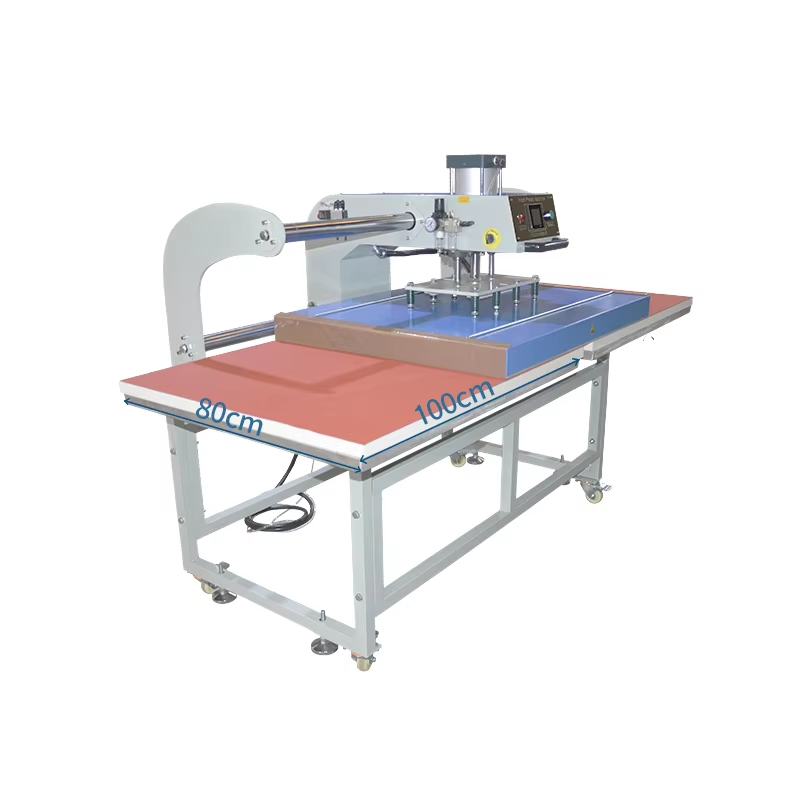
80x100 गर्मी प्रेस मशीन के प्रदर्शन में दबाव क्यों महत्वपूर्ण चरण है
सटीक दबाव नियमन ट्रांसफर के चिपकने, कपड़े की अखंडता और मुद्रण स्पष्टता को निर्धारित करता है 80x100 हीट प्रेस मशीन तापमान या समय के विपरीत—जो भौतिक रूप से विशिष्ट दिशानिर्देशों का पालन करते हैं—दबाव की आवश्यकताएँ विभिन्न आधार सामग्रियों के बीच काफी भिन्न होती हैं। कपास को स्याही के प्रवेश के लिए रेशों को संपीड़ित करने के लिए उच्च PSI (70–90) की आवश्यकता होती है, जबकि पॉलिएस्टर 40 PSI से अधिक दबाव पर सिंथेटिक रेशों की संवेदनशीलता के कारण जल जाता है। अध्ययनों से पता चलता है कि बड़े प्लैटेन्स पर दबाव में केवल 10% का विचलन दोष दर को 30% तक बढ़ा देता है (टेक्सटाइल इंजीनियरिंग रिपोर्ट, 2023)।
अपर्याप्त दबाव के कारण छाया प्रभाव (गॉस्टिंग) और कमजोर स्थानांतरण होता है; अत्यधिक बल कपड़े के बुने हुए भागों को कुचल देता है या मिश्रित फैब्रिक को पिघला देता है। पेशेवर-श्रेणी की वायवीय प्रणालियाँ इस समस्या को बंद-लूप सेंसरों के माध्यम से कम करती हैं, जो धारण समय (ड्वेल टाइम) के दौरान दबाव को समायोजित करते हैं और पूरी 80x100 सेमी प्लैटन सतह पर समान वितरण सुनिश्चित करते हैं। यद्यपि स्वचालित स्थानांतरण स्विच (ATS) स्थिरता का समर्थन करते हैं, फिर भी मैनुअल कैलिब्रेशन आवश्यक बना हुआ है—विशेष रूप से इसलिए क्योंकि तापीय प्रसार और स्प्रिंग की थकान के कारण समय के साथ दबाव सेटिंग्स में परिवर्तन हो सकता है। उत्पादन से पहले कचरा कपड़े पर परीक्षण करने से महंगी त्रुटियाँ रोकी जा सकती हैं और विश्वसनीय आउटपुट सुनिश्चित किया जा सकता है।
| दबाव का प्रभाव | परिणाम | रोकथाम |
|---|---|---|
| कम (<40 PSI) | आंशिक स्थानांतरण, फीकापन | मासिक आधार पर गेज कैलिब्रेट करें |
| उच्च (>90 PSI) | कपड़े का जलना, चमक | प्रत्येक सामग्री के अनुसार सेटिंग्स की पुष्टि करें |
आदर्श दबाव स्थानांतरण को जोड़ता है बिना आधार सामग्री की संरचना को समाप्त किए, जिससे यह गुणवत्ता के लिए निर्णायक कारक बन जाता है।
80x100 हीट प्रेस मशीन पर सामान्य कपड़ा प्रकारों के लिए आदर्श दबाव सेटिंग्स
सूती कपड़ा: रेशों के संपीड़न और स्याही चिपकने के लिए उच्च PSI
दबाव को सेट करें 40–50 PSI सूती कपड़ों के लिए। यह सीमा रेशों को प्रभावी ढंग से संपीड़ित करती है, जिससे स्याही के प्रवेश के लिए चिकनी सतह बनती है। उद्योग-स्तरीय परीक्षणों से पता चलता है कि 45 PSI स्थानांतरण चिपकने को अधिकतम करता है, जबकि कपड़े को क्षति से बचाता है (ScalablePress 2024)। स्थानांतरण लगाने से पहले हमेशा 3–5 सेकंड के लिए पूर्व-दबाव (प्री-प्रेस) लगाएँ ताकि नमी दूर हो सके। बहु-स्तरीय डिज़ाइनों के लिए, पूर्ण बंधन सुनिश्चित करने के लिए 350°F (177°C) पर 20 सेकंड तक दबाव लगाएँ।
पॉलिएस्टर: जलन और रंग के स्थानांतरण को रोकने के लिए कम PSI
उपयोग 30–40 PSI पॉलिएस्टर के लिए तापीय क्षति से बचने के लिए। कम दबाव रंग के स्थानांतरण के जोखिम को कम करता है, जबकि स्थानांतरण की अखंडता बनाए रखता है। 305°F (152°C) पर, यह सेटिंग सिंथेटिक रेशों के अत्यधिक तापन के कारण होने वाले चमक प्रभाव को रोकती है। पहले सीम अलाउंस (सिलाई के किनारे) पर परीक्षण दबाव लगाएँ—उच्च दबाव के तहत 290°F (143°C) से अधिक तापमान पर पॉलिएस्टर जल सकता है।
मिश्रित कपड़े (जैसे, 65% पॉलिएस्टर/35% सूती): मध्य-श्रेणी का PSI, जिसे कपड़े के प्रकार के अनुसार सत्यापित किया जाना चाहिए
रोजगार 35–45 PSI सूती-पॉलिएस्टर मिश्रणों के लिए। सटीक सेटिंग मिश्रण अनुपात पर निर्भर करती है:
- 50/50 मिश्रण : शुरुआत 40 PSI, 300°F (149°C) से करें
- त्रि-मिश्रण : 35 PSI, 280°F (138°C) तक कम कर दें
उत्पादन से पहले अपव्यय कपड़े का उपयोग करके सेटिंग्स की पुष्टि करें। मिश्रणों के लिए सूती की संपीड़न आवश्यकताओं और पॉलिएस्टर की ऊष्मा संवेदनशीलता के बीच संतुलन स्थापित करना आवश्यक होता है। सुसंगत परिणामों के लिए सफल पैरामीटर्स को बैचों के आधार पर अभिलिखित करें।
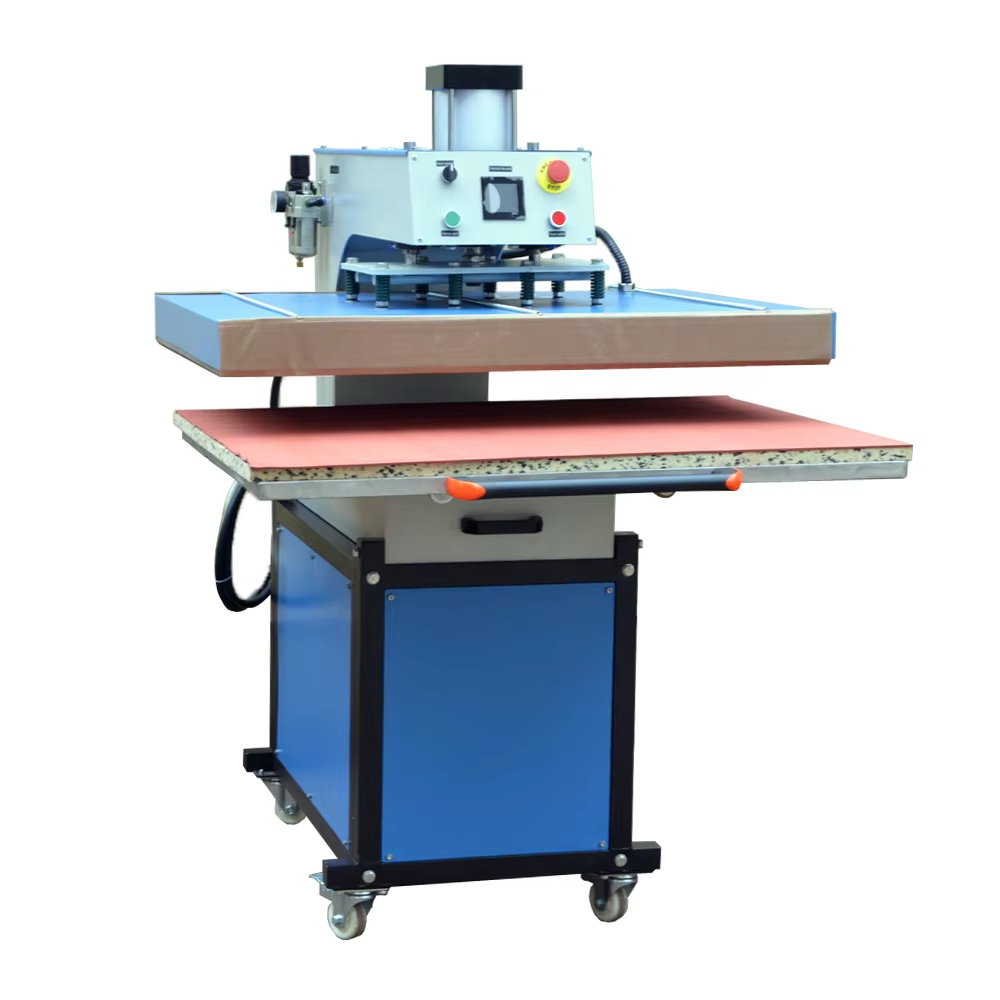
80x100 हीट प्रेस मशीन पर दबाव का कैलिब्रेशन: एक चरणबद्ध प्रोटोकॉल
दबाव गेज का उपयोग करके, ट्रांसफर का परीक्षण करके, और दृश्य/स्पर्श सुविधा के माध्यम से सेटिंग्स की पुष्टि करना
इन चरणों के साथ सटीकता प्राप्त करें:
-
प्रारंभिक दबाव सेट करें
अपने कपड़े के आवश्यक पाउंड प्रति वर्ग इंच (PSI) के अनुसार मशीन के गेज (±1.5 PSI सटीकता) को संदर्भित करें। उद्योग के मानकों के अनुसार, मैनुअल प्रेस 300 चक्रों के बाद तक 30% तक विचलित हो सकते हैं—डिजिटल गेज विचलन को रोकते हैं। -
कागज़ के परीक्षण करें
प्लैटन के नीचे सामान्य कागज़ रखें, कम तापमान (121°C/250°F) पर 2 सेकंड के लिए दबाएँ, और छाप की एकरूपता का निरीक्षण करें। असमान निशान दबाव असंतुलन को दर्शाते हैं, जिसके लिए यांत्रिक समायोजन की आवश्यकता होती है।छाप की गुणवत्ता आवश्यक समायोजन पूर्ण, समान कोई नहीं (आदर्श दबाव) आंशिक/फीका PSI को क्रमिक रूप से बढ़ाएँ फटा/दबा हुआ तुरंत PSI कम करें -
परीक्षण स्थानांतरणों के साथ सत्यापित करें
अपनी उत्पादन सामग्री के मिलान वाले कच्चे कपड़े पर मुद्रित करें। निम्नलिखित का आकलन करें:- दृश्य दोष : स्याही का फैलना या छाया प्रभाव (दबाव अत्यधिक है)
- स्पर्श संबंधी समस्याएँ : कठोरता या आधार सामग्री का विकृत होना
- असफल चिपकाव : धुलाई परीक्षण के बाद उखड़ना
-
सेटिंग्स को अंतिम रूप दें
केवल 3 लगातार सफल परीक्षणों के बाद ही कैलिब्रेटेड दबाव को अवरुद्ध करें। साप्ताहिक रूप से पुनः जाँच करें—समय के साथ तापीय प्रसार और स्प्रिंग थकान के कारण दबाव में परिवर्तन होता है।

