
 EN
EN
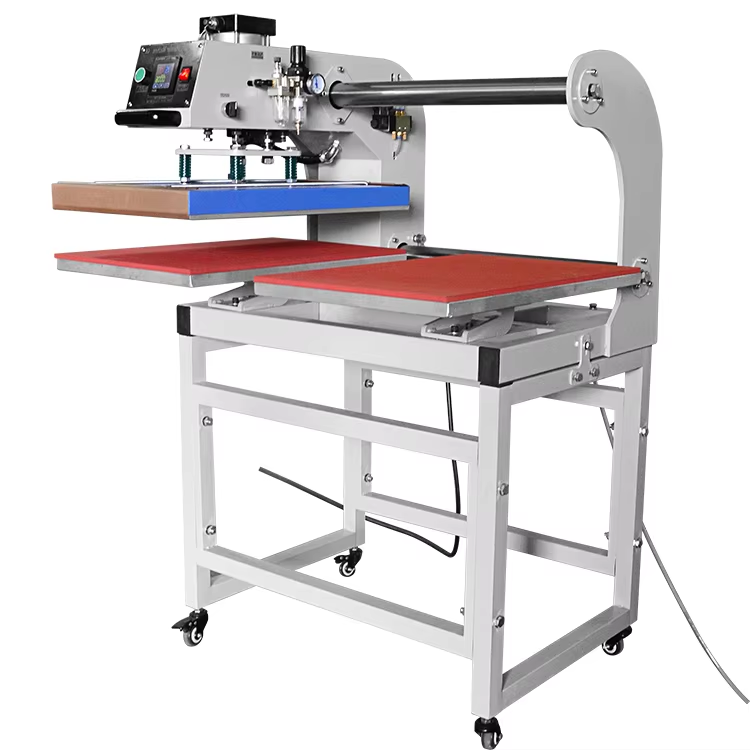
Miks on sõltumatu hooldus oluline kahekoormalise soojuspressi masina jõudluse jaoks
Igal kahekohtalisel kuumutuspressil on iga kohta eraldi hooldamine mitte ainult soovituslik, vaid vajalik. Mõlemad pinnad töötavad sageli erinevates koormusrežiimides, temperatuuritel ja koormussagedustel: suurte koguste töötlemisega vasak koht võib kiiremini koguda kleepuvat jääki, samas kui parem koht võib teostada aeglasemat termilist degradatsiooni. Mõlema kohta ühesuguse käsitlusega eiratakse tegelikke erinevusi. Eraldi puhastusgraafikud võimaldavat teil eemaldada kogunenud jäätmeid vastavalt tegelikule seisukorrale – mitte eeldatavale ühtsusele – ning takistada ristkontaminatsiooni, mis halvendab ülekande kvaliteeti. Eraldi rõhu kalibreerimine tagab, et iga koht rakendab oma alusmaterjali jaoks täpselt vajalikku jõudu, mille tõttu ei ole vaja arvata. Iga kohta eraldi kontrollitud kütteelemendid ja liikuvad osad vähendavad ootamatut seiskumist, samas kui ülesannete eraldamine aitab varakult tuvastada komponentide tasandil esinevaid probleeme – see vähendab remondikulusid ja pikendab terve masina eluiga. Lõppkokkuvõttes muudab eraldi hooldus kahekohtalisest süsteemist mitte jagatud riski, vaid kaks usaldusväärset ja kõrgtehnilist vara.
Ülemise plaatide hooldus: puhastamine, kattumine ja soojuskontroll
Silikoonpadu inspektsioon ja vahetamise protokoll
Ülemise plaatide silikoonpad määrab otseselt rõhujaotuse ja soojusülekande. Kontrollige seda nädalaselt pragude, kõvaks muutumise või ebavõrdse paksuse suhtes. Vahetage see viivitamatult, kui trükkimise tulemused näitavad ebakorrapärast läbitungimist või kleepuvustestid avastavad külmad kohad. Kasutage tootja soovitusi järgides toodetud silikoonpadsid, mis on mõeldud teie masina maksimaalse temperatuuriala jaoks – mittetootjapoolsete alternatiivide kasutamine kiirendab plaatide kulutumist ja suurendab tsüklikatkestuste esinemist.
Mittekleeviva keramiikkattega seotud eelised ja rakendamise parimad tavasid
Mitte-kleepuv keramiline kattekiht vähendab jääkide kogunemist ja parandab põhja lahtipõletamise kvaliteeti. Enne kasutamist puhastage plaat pH-neutraalse lahustiga, et tagada hea haardumine. Kandke õhupihusti või harjaga ühtlane, õhuke kiht ja kuivatage 150 °C juures 30 minutit. Rakendage uuesti iga 1000 tsükli järel, et säilitada pinnakvaliteet. See kattekiht takistab kleevi migreerumist ja pikendab sügavpuhastuste vahelisi intervallle. Veenduge alati, et kattekiht sobib teie konkreetse mudeliga, et vältida garantii kehtivuse kaotamist.
IR-termograafia ülemise plaadi temperatuuri ühtlasuse kontrollimiseks
Ülemise põhjaplaadi temperatuuri ühtlus on oluline järjepidevate ülekannete saavutamiseks. Pärast 10-minutist soojendusperioodi kasutage IR-soojuskaamerat pinnatemperatuuri kaardistamiseks – sihtväärtuseks on temperatuuri kõrvalekalle maksimaalselt ±1,5 °C kogu soojenduspiirkonnas. Märkige ära anomaliiad ja kalibreerige PID-regulaator vajadusel uuesti. See valideerimine tuleb teha kord kuus ning pärast silikoonpadja või soojenduskomponentide asendamist. Järjepidev termograafiline jälgimine takistab saagikao teket alaküttetud või põletatud materjalide tõttu.
Alumise põhjaplaadi ja silindri hooldus: lubrikatsioon, tihendus ja soojusstabiilsus
Alumine põhjaplaat ja hüdrauliline silinder kogevad kahe soojustuspressi masinas kõige suuremat mehaanilist koormust. Eraldi, stantsi spetsiifiline hooldus takistab toimivuse kõrvalekaldumist stantside vahel ning säilitab pikaajalist usaldusväärsust.
Hüdraulilise silindri tihendite terviklikkus soojusvahelduse tingimustes
Korduv soojenemine ja jahutumine põhjustab tihendmaterjalide laienemist ja kokkutõmbumist – kiirendades elastomeeride väsimust. Kõrged temperatuurid pehmendavad tihendeid; madalad temperatuurid teevad neist kõvad ja praguva. Tihendite terviklikkuse säilitamiseks tuleb jälgida töötemperatuuri tähelepanelikult ning vältida tihendite lubatud soojuspiiride ületamist. Tsükli ajastuse või pressi asukoha kohandamine võib vähendada soojuslikku tsüklitkoormust. Tihendeid tuleb regulaarselt visuaalselt kontrollida lekkimise, kõvenemise või deformatsiooni suhtes. Kui degradatsioon on kinnitatud, tuleb need asendada komponentidega, mis on sertifitseeritud masina maksimaalseks töötemperatuuriks.
Kõrge viskoossusindeksiga lubrikantide valik kaheasendiliste töötsüklite jaoks
Lubrikantidel peab olema stabiilne viskoossus laialdasel temperatuurivahemikul, mis on tüüpiline kahepostise tööjaama puhul. Kõrga viskoossusindeksiga (VI) lubrikant ei lahene kõrgematel temperatuuridel ega paksene jahtumisel – tagades seega prognoositava hüdraulilise reageerimise. Sagedaste käigu-peatumise tsüklitega presside puhul pakuvad sünteetilised või fluoritud alusõlid paremat soojusstabiilsust kui tavapärased mineraalõlid. Veenduge, et lubrikant sobib tihendmaterjaliga, et vältida tihendite paisumist või lagunemist. Järgige silindri tootja soovitusi lubrikatsiooni kohta ja kontrollige hüdraulikareservuaari saastumist igal hooldusintervallil.

Kahepostise soojuspressi masinajaamade kalibreerimisohutud puhastusprotokollid
Kahepostise soojuspressi puhastamine ilma kalibreerimise ohustamiseta nõuab täpsust lahustite valikus ja puhastustehnikas. Tugevad kemikaalid või abrasiivsed tööriistad võivad plaatidele teha sirgeid, muuta sensorite näitu ja halvendada tihendeid – mis võib kaasa tuua mõlema jaama soojusühtlasuse kehtetuks tunnistamise.
pH-neutraalsete lahustite kasutamine roostevabast terasest pinnadel (ASTM F2971-22)
Puhastamiseks kasutage ainult ASTM F2971-22 standardile vastavaid pH-neutraalseid lahusteid roostevabast terasest plaatide puhastamiseks. See standard määrab kindlaks aineid, mis eemaldavad tõhusalt kleepuvat jääki ja trükkimisvärvi kogunemist ilma metalli korrodeerimata või kalibreerimistäpsuse muutmiseta. Rakendage pehme, villavaba riie – vältige üleliialist vedelikku elektriliste korpuste või sensoriavade läheduses. Puhastage mõlemad ülemised ja alumised plaadid pärast iga kasutuskorda ja kuivatage need täielikult eraldi riiega. Selle protokolli päevapärane järgimine takistab jääkide kogunemist, mis moonutab rõhujaotust ja soojusülekannet, säilitades nii kahe tööjaama puhul ühtlustatud töötingimused.
KKK-d
Miks on kahekohtalisel kuumutuspressil sõltumatu hooldus vajalik?
Sõltumatu hooldus tagab iga tööjaama optimaalse töökindluse, kuna see arvestab konkreetseid kulutusnähtusi, mis tulenevad igas tööjaamas erinevast kasutusmustrist, takistab ristkontaminatsiooni ning tagab parema jõudluse ja pikema eluea.
Millised on mittekleevuva keramikakattega töötlemise eelised?
See kattekiht vähendab jääkide kogunemist, parandab põhja lahtipõletamise kvaliteeti ja pikendab hooldusintervalle, kaitstes plaatit ja parandades ülekande ühtlust.
Kui sageli tuleb silikoonpadusid kontrollida ja vahetada?
Kontrollige iga nädala tagant kulumise, pragude või soojuskahjustuste märke ja vahetage padud kohe välja, kui probleeme tuvastatakse, et säilitada rõhujaotus ja soojusülekande tõhusus.
Sisukord
- Miks on sõltumatu hooldus oluline kahekoormalise soojuspressi masina jõudluse jaoks
- Ülemise plaatide hooldus: puhastamine, kattumine ja soojuskontroll
- Alumise põhjaplaadi ja silindri hooldus: lubrikatsioon, tihendus ja soojusstabiilsus
- Kahepostise soojuspressi masinajaamade kalibreerimisohutud puhastusprotokollid
- KKK-d

