
 EN
EN
How a Cap Heat Press Machine Enables Professional-Quality, Consistent Hat Transfers
The Curved Platen Design: Eliminating Wrinkles and Ensuring Full-Cap Contact
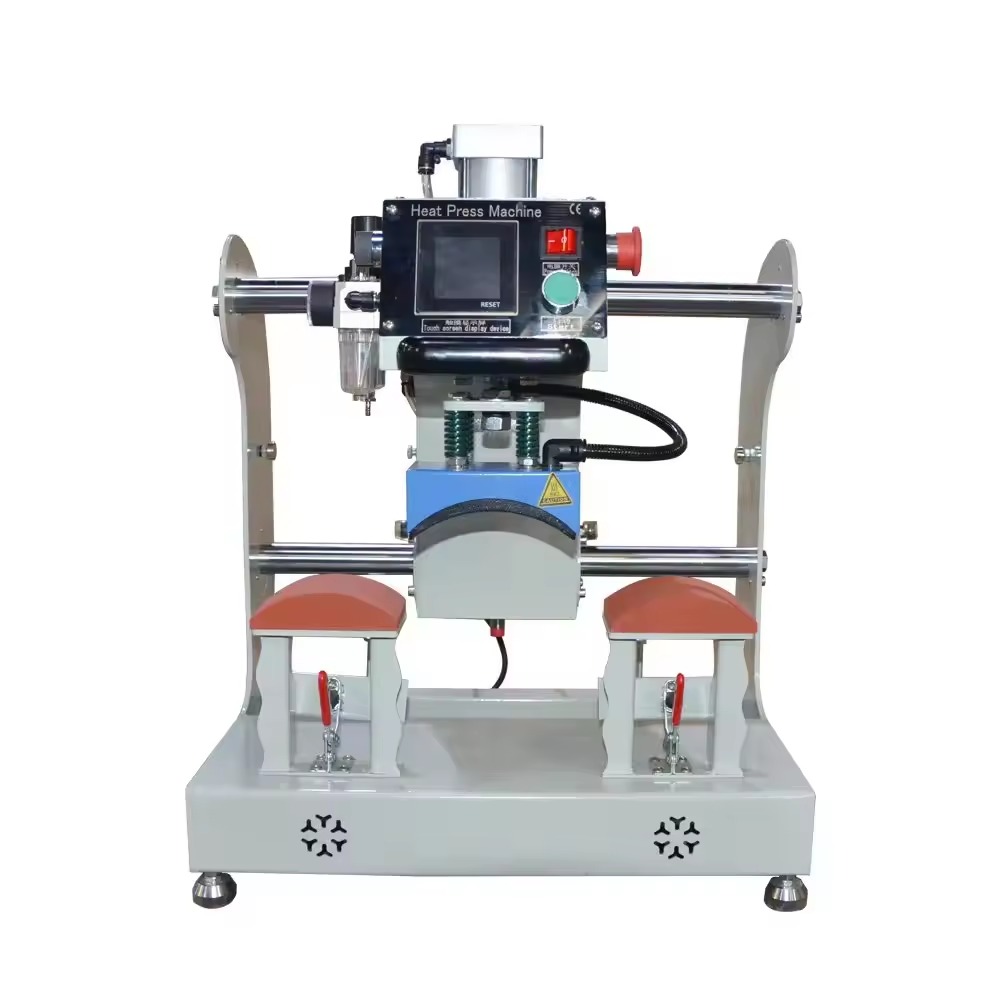
Cap heat press machines come equipped with curved platens designed specifically for the shape of hats, allowing complete contact without distorting the fabric. Flat presses tend to leave air bubbles and creases when working with curved surfaces, but these specially shaped platens distribute pressure evenly without squishing or pulling at the material. The result? No unsightly wrinkles, no gaps where transfers might lift, just clean, sharp prints every time. Shops report much less wasted material because there are simply fewer mistakes made during production. Industry stats back this up too curved platens cut down defects by around 30 percent when compared against traditional flat models according to recent studies in textile manufacturing.
Precision Temperature & Pressure Control (±2°C Stability) for Reliable Vinyl and Sublimation Adhesion
Getting good results from hat transfers requires pretty tight control over both heat and pressure. Most cap heat presses can hold temperatures within about 2 degrees Celsius, which matters a lot when working with HTV adhesives. If it gets too hot, the vinyl can burn instead of sticking properly. For sublimation printing on polyester materials, we're usually looking at around 385 to 400 degrees Fahrenheit as the sweet spot where the dyes actually activate. When the pressure is spread out evenly across the curved surface of the press plate, the vinyl sticks better and the colors penetrate all the way through. This helps avoid those annoying issues where parts of the design fade away later or start peeling off completely. Machines with automated settings that lock in place make things much easier for repeat jobs. They cut down on mistakes people might make manually adjusting everything each time, which becomes really important when producing large quantities consistently.
Cap Heat Press Machine ROI: Scaling Production Without Compromising Quality
Output Gains: 3× Higher Throughput per Operator with Auto-Cycle Timing and Memory Settings
With auto-cycle timing features and memory presets built right in, a single worker can handle several pressing machines at once all while keeping temperatures within about 2 degrees Celsius. The automated system reduces hands-on work by roughly 70 percent, which means factories can crank out over 60 hats every hour instead of the old manual rate of around 20 per hour. What do workers need to do? Just toss the caps into position and hit start on those preset programs. No more worrying about inconsistent wait times between operations, and pressure stays consistent even on those tricky curved parts. Production bottlenecks disappear completely, and best of all, product quality doesn't drop off when scaling up operations.
Break-Even Analysis: When Automation Pays Off — Comparing 50 vs. 300 Hats/Week Scenarios
Small hat shops making around 50 hats each week can probably get away with using manual presses at first. But when production jumps past 300 hats weekly, going automated starts to make real sense. Most businesses see their money back pretty quickly too - saving about $18 every hour on labor costs while cutting down wasted materials from 12 percent all the way down to just 4 percent. And let's not forget those hidden costs either. Shops running high volume operations save roughly $7,200 each month simply because they don't miss out on orders anymore due to slow production lines getting backed up. Here's how these numbers actually play out financially:
| Volume Scenario | Monthly Labor Cost | Material Waste Rate | ROI Timeline |
|---|---|---|---|
| 50 hats/week | $960 | 12% | 14+ months |
| 300 hats/week | $2,880 | 4% | <5 months |
This efficiency gain supports reinvestment in growth—without sacrificing the transfer consistency required for expanding product lines.
Why a Dedicated Cap Heat Press Machine Outperforms Flat Heat Presses for Headwear
Material Science Risks: Warping, Ghosting, and Incomplete Transfer Caused by Flat-Surface Compression on Curved Caps
Using flat heat presses for hats introduces fundamental material science risks. Curved caps cannot conform uniformly to rigid flat plates—creating uneven compression that distorts structure, traps air, and blocks heat transfer. This mismatch causes three critical failures:
- Warping: Uneven pressure deforms structured panels; studies show up to 40% higher deformation rates under flat compression.
- Ghosting: Air gaps produce thermal shadows—especially around seams—resulting in faded or inconsistent color.
- Incomplete Transfers: Low-pressure zones near buckram inserts and crown seams lead to peeling HTV or patchy sublimation. Industry analysis confirms flat presses fail to achieve full adhesion in 25% of cap transfers, particularly on structured models.
Dedicated cap presses eliminate these issues with contoured platens that match hat geometry—ensuring uniform pressure and thermal contact. That precision avoids $12–$18 in rework or material loss per defective unit.
Choosing the Right Cap Heat Press Machine for Long-Term Business Growth
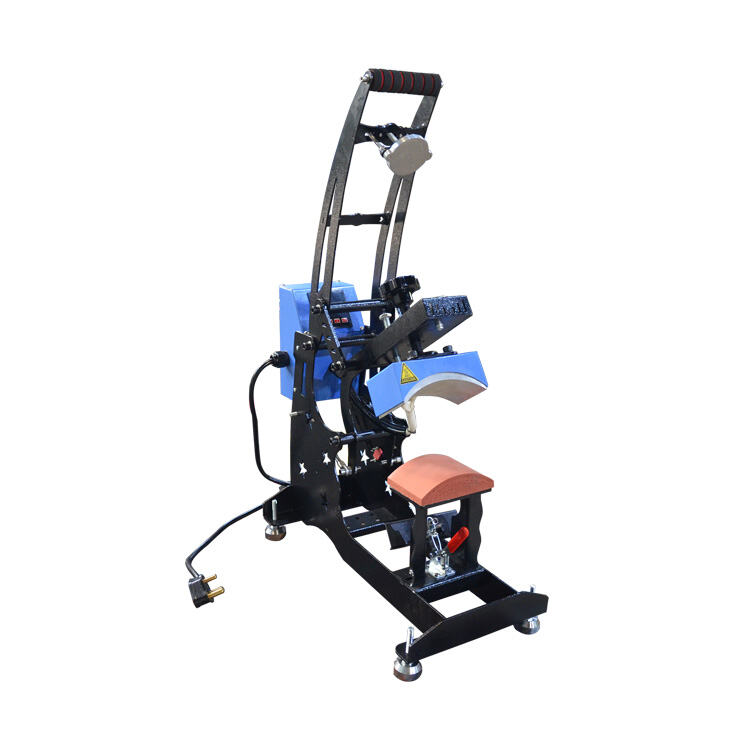
Getting the right cap heat press really comes down to matching what the machine can do with where the business is headed. Small shops making around 50 caps a week often begin with manual presses, but when things start scaling up, automated options become necessary. For operations hitting about 300 hats per week or more, commercial grade machines make sense. These have features like magnetic locks and timers that work together to speed things up by roughly 40% without wearing out staff so quickly. The industrial aluminum plates on these machines stay stable within about 2 degrees Celsius even after thousands of cycles, which keeps logos looking sharp instead of warped or faded. According to research published in Apparel Tech last year, companies investing in better quality presses saw their need for fixing mistakes drop by nearly a third, plus customers stuck around almost 28% longer. Look for machines built with expansion in mind. Some models allow adding pneumatic pressure systems later on, which helps stretch the life of the equipment instead of having to replace it every time orders jump.
Table of Contents
- How a Cap Heat Press Machine Enables Professional-Quality, Consistent Hat Transfers
- Cap Heat Press Machine ROI: Scaling Production Without Compromising Quality
- Why a Dedicated Cap Heat Press Machine Outperforms Flat Heat Presses for Headwear
- Choosing the Right Cap Heat Press Machine for Long-Term Business Growth

