
 EN
EN
How Calandra Sublimacion Textil Enables High-Performance Industrial Sublimation
Continuous-roll heat transfer: Precision control of temperature, pressure, and dwell time
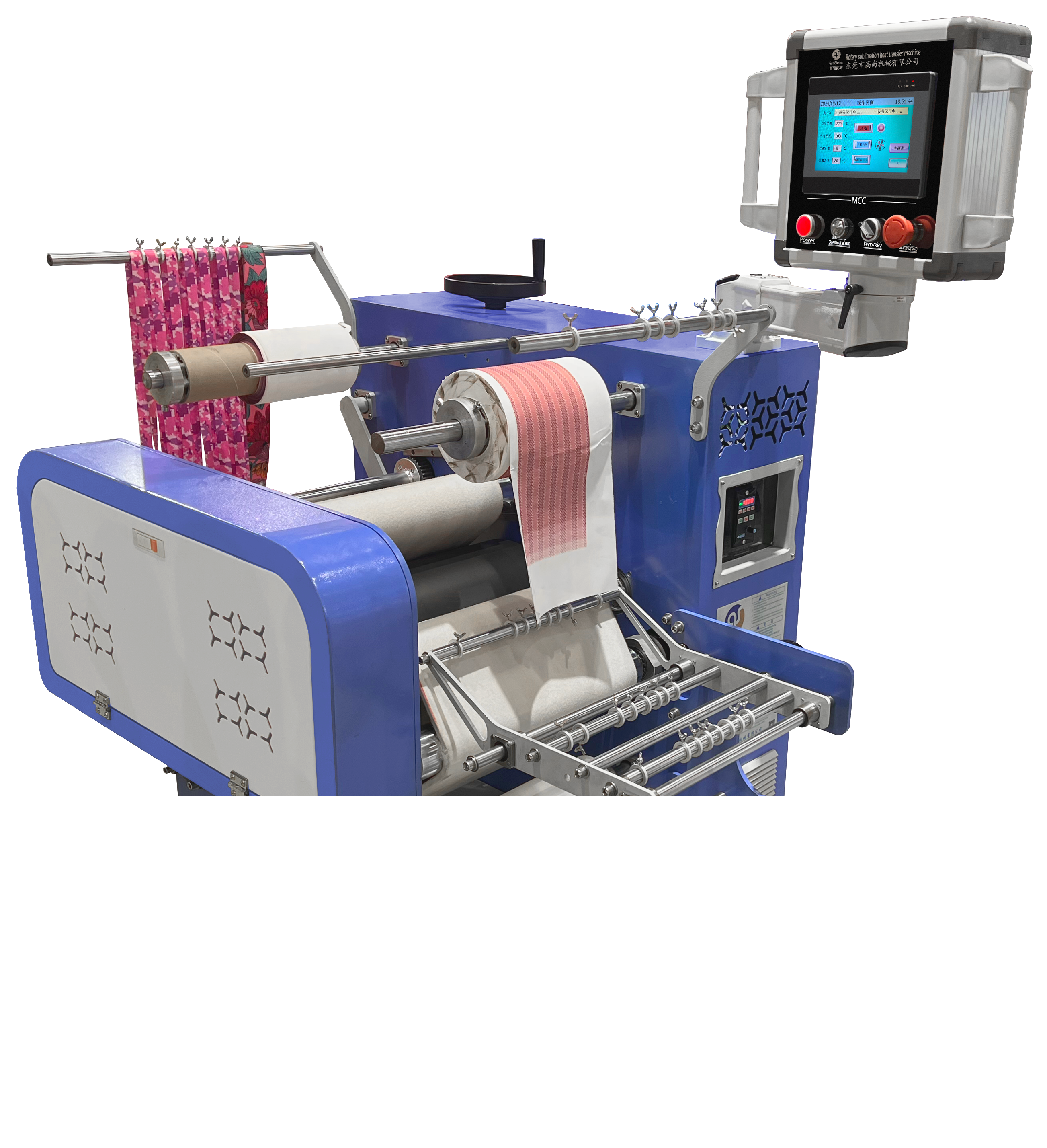
The industrial calandra sublimation textile systems deliver exceptional print quality because they carefully manage three main factors: heat, pressure, and how long materials stay in contact. Keeping things around 190 to 210 degrees Celsius makes sure those sublimation dyes turn properly into gas without damaging polyester fabrics. The pressure needs to be pretty uniform too, somewhere between 4 and 6 bars which translates to about 40-60 psi on most gauges. When applied across those hot rollers, it helps the dye get into the fabric evenly so we don't end up with those annoying patches that happen with flatbed machines. Most setups have automated systems that set the dwell time at roughly 30 to 60 seconds. This gives enough time for the colors to really sink in while still keeping production moving at a decent pace.
Engineering advantages of European-built calandra systems for consistent dye diffusion into polyester fibers
Calandras made in Europe tackle one of the biggest problems in sublimation printing getting those dyes to spread evenly through synthetic fabrics. The secret lies in their thermodynamic control. These machines are different from older hydraulic models because they use servo controlled rollers that apply even pressure all across the fabric width. This helps prevent those annoying clumps of dye and keeps colors looking consistent from edge to center. The machines also have built in temperature sensors that keep things stable within about plus or minus 2 degrees Celsius. This level of control allows the dye molecules to actually bond properly with the polyester fibers at a molecular level. As a result, manufacturers can achieve around 98 percent color consistency between different production runs. This meets the strict standards set by European textile regulations for premium clothing lines and luxury interior design products.
| Sublimation Parameter | Traditional Systems | Calandra Sublimacion Textil | Performance Impact |
|---|---|---|---|
| Temperature Stability | ±15°C variance | ±2°C consistency | Eliminates dye gasification defects |
| Pressure Uniformity | Center-focused | Full-width distribution | Prevents edge-to-center color shift |
| Dwell Time Control | Manual adjustment | Automated synchronization | Optimizes throughput by 40% |
Fabric Compatibility: Why Polyester and Polyester-Spandex Blends Excel with Calandra Sublimacion Textil
The way polyester is structured at a molecular level lets it absorb bright colors permanently through sublimation printing. When heated properly, the fibers actually open up so the dyes can bond right into the polymer itself. That's why polyester works so well as material for those big industrial calandra machines used in textile sublimation. These machines work best when they're set between around 190 to 210 degrees Celsius with pressure somewhere between 4 and 6 bars. The result? Deep colors that spread evenly throughout the fabric. Mixing in some spandex usually around 15 to 20 percent gives the fabric needed stretch without messing up how it takes dyes. The spandex part holds up against all that rolling pressure while still stretching out to about 600 percent before bouncing back. European made calandras have gotten really good at adjusting how long different weight fabrics stay on the machine from light 80 grams per square meter stuff up to heavier 200 gram materials. This prevents damage to the polymer chains and keeps colors spreading consistently. And here's something important manufacturers love: these polyester-spandex blends don't need any special treatment beforehand and manage to fix about 98 percent of the dye onto the fabric. This kind of efficiency just isn't possible with natural fibers.
Meeting EU Standards: Durability, Color Vibrancy, and Eco-Compliance Through Calandra Sublimacion Textil
Superior wash-fastness and UV resistance vs. direct-to-fabric inkjet printing
When it comes to textile production across Europe, Calandra's sublimation technology stands head and shoulders above traditional direct-to-fabric inkjet methods. The process involves heating transfers at high temps which results in amazing color retention rates. After about 50 standard industrial washes according to ISO 105:C06 standards, we're still seeing over 95% of original colors intact. And when exposed to UV light for 500 hours under lab conditions per ISO 105:B02, there's barely any fading at all with color shifts below 5%. That's actually around 30% better than what most surface applied inkjet dyes can manage. What makes this work so well is how the dyes bond at a molecular level with the fabric itself. This stops them from migrating or bleeding during tough situations like commercial laundry cycles, long periods outside in sunlight, or constant rubbing from people walking over printed surfaces. Another big plus? No need for those extra wash steps after printing. This keeps fabrics looking their best while cutting down on microfiber shedding by roughly 40% compared to the water hungry alternatives currently available.
Zero wastewater and low-VOC operation—aligning with REACH, OEKO-TEX® Standard 100, and EU Green Deal expectations
Calandra sublimation supports full regulatory compliance through its closed-loop, water-free operation and use of low-VOC sublimation inks certified to OEKO-TEX® Standard 100. This directly fulfills key EU sustainability mandates, including:
- REACH SVHC restrictions on 224 hazardous substances
- The EU Green Deal’s 2030 target for 50% textile waste reduction
- Circular Economy Action Plan requirements for material recovery
The technology saves about 150 liters of water for every kilogram of fabric processed since it eliminates those water hungry rinse steps that are standard practice in traditional dyeing operations. Studies show there's around a quarter less CO2 released compared to when steam fixation techniques are used. Plus workers face better safety conditions overall, getting through the hazardous material paperwork becomes much easier, and everything works well with existing systems for recycling consumer grade polyester. The whole setup is pretty energy efficient too, which helps manufacturers meet their carbon neutral targets. European companies adopting this approach are definitely setting themselves apart as pioneers in making textiles greener.
Scalability and ROI: Why Industrial Calandra Sublimacion Textil Dominates European Production Lines
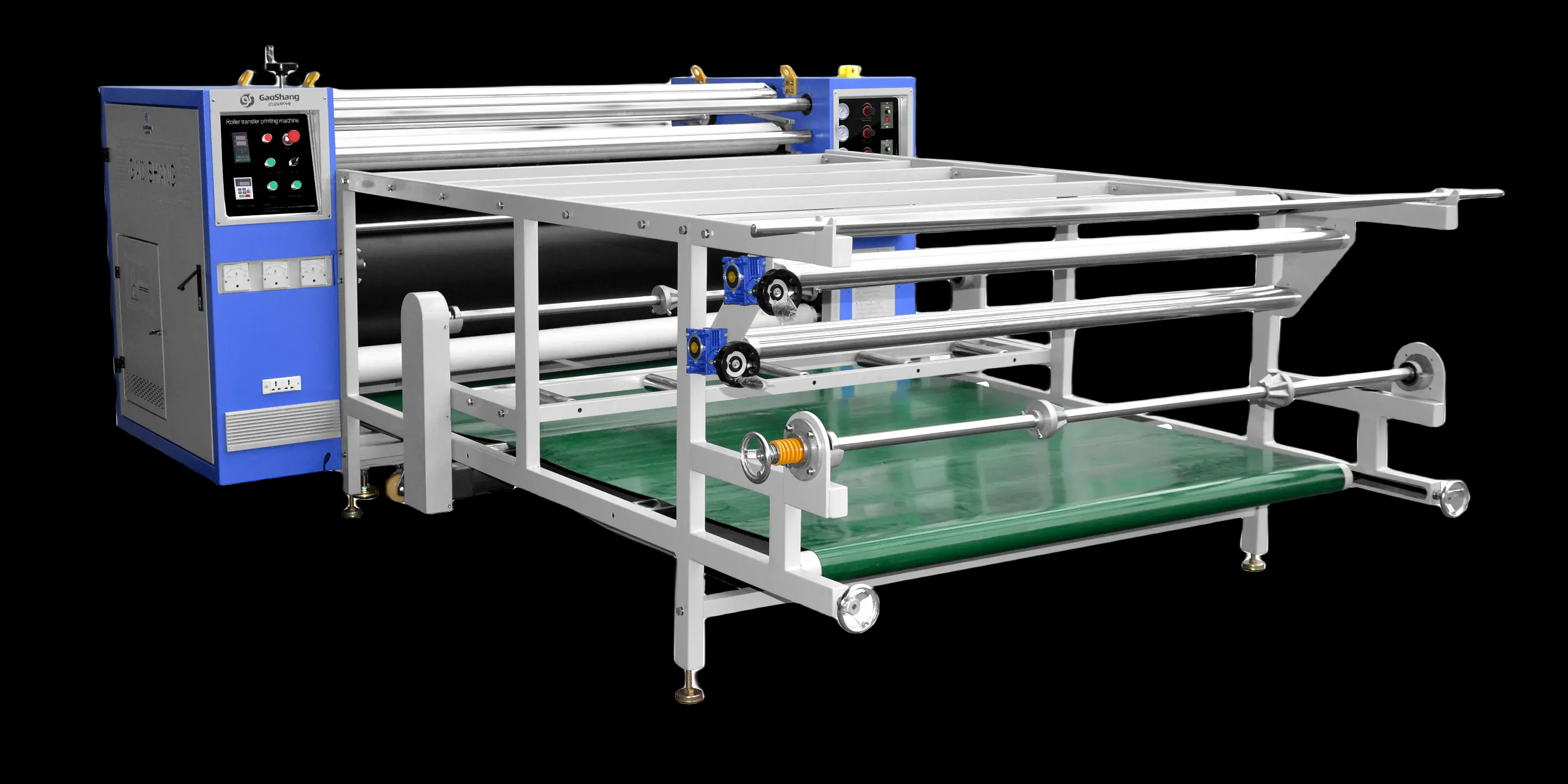
The European textile industry needs machinery that can scale up production while still delivering good returns on investment, all while hitting both volume goals and sustainability standards. According to recent market forecasts, Europe is expected to take around 28% of the worldwide hoodie market by 2025 according to Cognitive Market Research. To meet this growing demand, many manufacturers turn to industrial calandra sublimation textile systems. These machines handle large order volumes without compromising product quality or regulatory requirements. They basically allow factories to keep up with customer expectations while maintaining those important green credentials that are becoming increasingly vital in today's competitive landscape.
- 30–50% lower per-unit production costs through continuous processing
- Dramatically reduced lead times via 24/7 automated dye transfer
- Agile response to fluctuating demand using modular pressure and temperature controls
The ability to scale means companies typically see their investment pay off somewhere between 18 and 24 months because they spend less on labor costs, save energy, and waste fewer materials. Calandra systems stand out compared to traditional batch processing methods since they keep colors looking the same even when running over 10 thousand meters at once. That kind of consistency matters a lot for companies targeting the huge European activewear market worth around six point two eight billion dollars. These systems also help remove obstacles in working with polyester blends through sublimation printing. As a result, manufacturers in Europe can hold their own against competitors in both fast fashion and high end markets while meeting stricter environmental regulations set by the EU and keeping up with performance expectations from consumers.
Table of Contents
- How Calandra Sublimacion Textil Enables High-Performance Industrial Sublimation
- Fabric Compatibility: Why Polyester and Polyester-Spandex Blends Excel with Calandra Sublimacion Textil
- Meeting EU Standards: Durability, Color Vibrancy, and Eco-Compliance Through Calandra Sublimacion Textil
- Scalability and ROI: Why Industrial Calandra Sublimacion Textil Dominates European Production Lines

