
 EN
EN
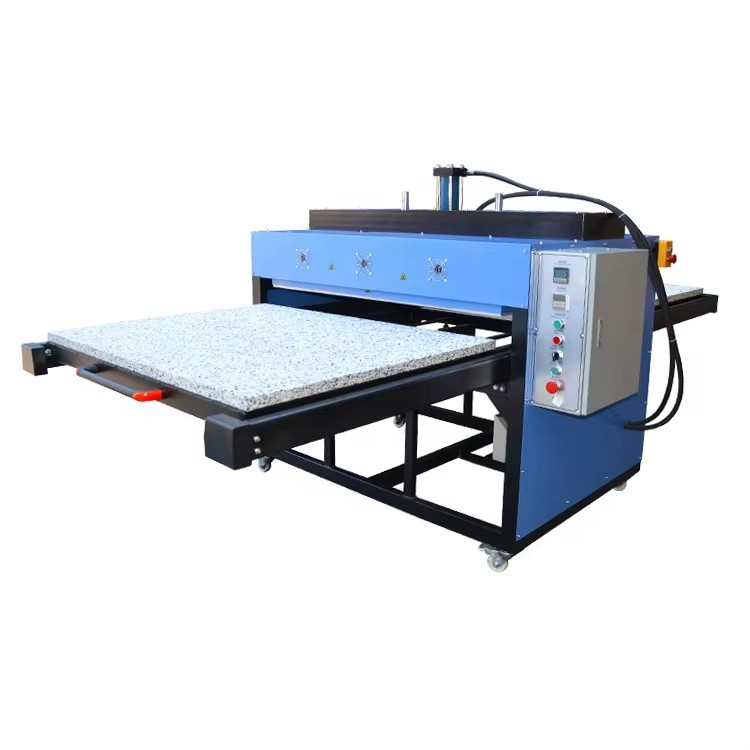
Best Fabrics for the 80x100 Heat Press Machine
Choosing the right fabric is critical when using an 80x100 heat press machine to ensure vibrant, durable transfers. The large platen size demands materials that withstand even heat distribution and consistent pressure without distortion or damage. Below are common fabric types and their ideal heat press settings:
| Material | Temperature Range (°F/°C) | Time (Seconds) | Pressure | Peel Type |
|---|---|---|---|---|
| 100% Cotton | 305–315°F / 150–157°C | 12–15 | Medium | Hot or Cold |
| 100% Polyester | 285–300°F / 140–149°C | 10–12 | Medium | Warm or Cold |
| 50/50 Blends | 300–310°F / 149–154°C | 10–12 | Medium | Warm or Cold |
| Tri-Blends | 280–290°F / 138–143°C | 8–10 | Light | Cold |
Note: Always conduct a test press on scrap material to verify settings before production.
Cotton: Superior HTV and DTF Adhesion Due to High Absorbency
Cotton’s natural fibers and high absorbency make it the gold standard for both Heat Transfer Vinyl (HTV) and Direct-to-Film (DTF) applications. Its porous structure allows adhesives and inks to penetrate deeply, forming bonds that endure repeated washing. When using an 80x100 heat press, cotton performs best at 305–315°F (150–157°C), medium pressure (40–60 psi), and 12–15 seconds dwell time. The expansive platen ensures full coverage across XL garments—eliminating edge lifting often seen with smaller presses. Pre-pressing cotton for 3–5 seconds at medium heat removes moisture and smooths wrinkles, which is essential for seamless, full-size transfers spanning the full 80×100 cm surface.
Polyester & Blends: Optimizing Sublimation, Shrinkage Control, and Heat Resistance
Polyester excels with dye-sublimation transfers because its polymer chains open under heat, enabling permanent dye infusion. For 80x100 heat press use:
- Maintain lower temperatures (285–300°F / 140–149°C) to avoid shrinkage or scorching
- Apply medium pressure for no more than 10–12 seconds
- Align garments precisely to prevent ghosting—especially critical for large-format designs
Cotton-polyester blends (e.g., 50/50) strike a balance between comfort and transfer durability. They require intermediate settings (300–310°F / 149–154°C) to activate adhesives fully while protecting synthetic fibers from thermal degradation. The 80x100 machine’s uniform heating profile minimizes hot/cold spots that can cause inconsistent dye uptake or weak adhesion in blended fabrics.
Tri-Blends and Delicates: Mitigating Heat Sensitivity with Pre-Press Conditioning
Tri-blends (cotton/polyester/rayon) demand special care due to rayon’s low heat tolerance—scorching begins above 290°F (143°C). Successful pressing requires:
- Light pressure (20–30 psi)
- Short dwell time (8–10 seconds)
- Cold peel only
- A dedicated pre-press conditioning step at 280°F for 3–5 seconds to stabilize moisture and tension
The 80x100 heat press’s precise digital temperature control helps avoid localized overheating. For lace, mesh, or other delicate substrates, use a silicone platen cover to distribute pressure evenly across intricate textures. Because tri-blend compositions vary widely by manufacturer, always perform a test press—even with known settings—to confirm compatibility.
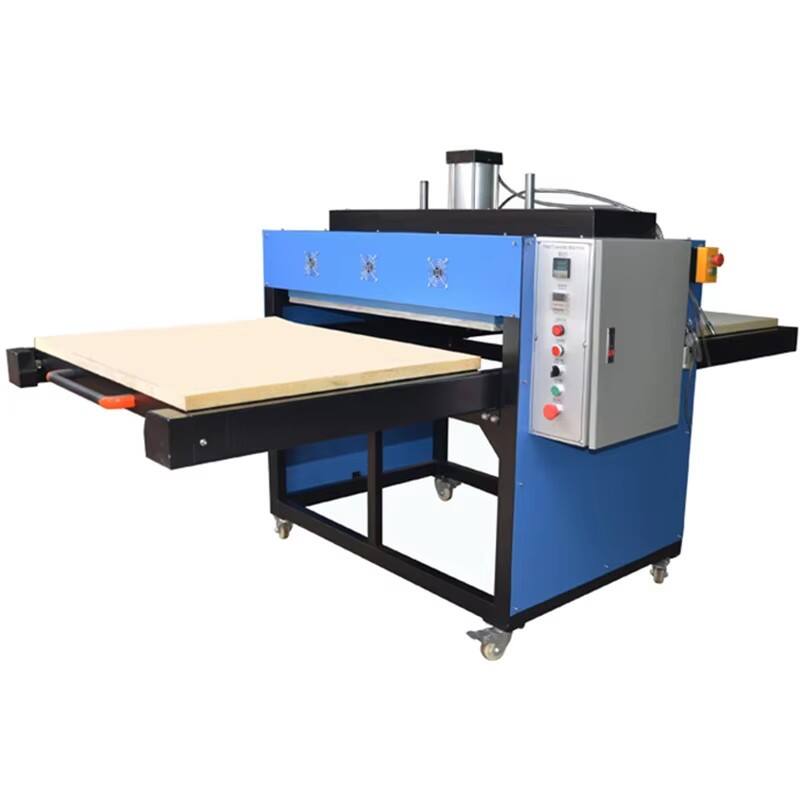
Heat Transfer Media Designed for the 80x100 Heat Press Machine
The large platen size of an 80x100 heat press unlocks unique versatility for applying heat transfer media—particularly for oversized graphics on apparel, banners, or soft signage. Two primary media types deliver reliable, professional results at this scale: Heat Transfer Vinyl (HTV) and sublimation transfers using specialized paper paired with polyester-rich substrates. Each requires tailored technique to leverage the machine’s full 80×100 cm coverage.
HTV (Heat Transfer Vinyl): Pressure, Temperature, and Time Calibration for Large-Format 80x100 Applications
Applying HTV on an 80x100 heat press demands strict calibration of pressure, temperature, and dwell time—not just for adhesion, but for consistency across the entire surface. Uneven pressure leads to partial bonding or vinyl scorching, especially near platen edges. While baseline settings often start at 315°F (157°C) for 15 seconds with medium pressure, real-world adjustments depend on vinyl brand, carrier sheet type, and fabric composition. For example, polyester blends typically require reduced heat (280–300°F) to avoid melting, while cotton safely accommodates higher temperatures. Consistent, full-surface pressure ensures the adhesive layer fully wets out and bonds uniformly across large designs—critical for commercial-grade output.
Sublimation Paper + Polyester Substrates: Leveraging the 80x100 Heat Press Machine for Vibrant, Edge-to-Edge Transfers
Sublimation printing achieves its highest impact on the 80x100 heat press, enabling crisp, edge-to-edge transfers onto polyester-rich fabrics (minimum 65% polyester recommended). The process uses sublimation paper printed with dye-sublimation inks, which convert to gas under heat and permanently infuse into polyester fibers. Optimal conditions are ~400°F (205°C) with firm, even pressure for 45–60 seconds—though exact timing depends on substrate thickness and ink density. The 80x100 platen’s uniform thermal profile prevents color shifts or ghosting in expansive prints. Secure the paper with heat-resistant tape and protect the platen with a Teflon sheet to guard against ink migration and residue buildup. The result is photorealistic, wash-fast imagery ideal for team uniforms, event merch, and large-format promotional wear.
Pre-Press Material Preparation Specific to the 80x100 Heat Press Machine
Moisture Management, Surface Flatness, and Platen Uniformity for Consistent 80x100 Coverage
Consistent, high-fidelity results across the full 80×100 cm platen begin long before the press closes. Effective pre-press preparation addresses three interdependent variables: moisture, surface geometry, and platen performance.
First, manage moisture: pre-wash garments to remove sizing and prevent post-press shrinkage, then dry thoroughly. Residual moisture causes steam pockets during pressing—leading to bubbling, poor adhesion, or uneven ink transfer.
Second, ensure surface flatness: pre-press each garment at medium temperature (300–320°F) for 3–5 seconds to eliminate wrinkles and tension irregularities. This step is non-negotiable for full-coverage designs—it creates a stable, taut canvas across the entire platen.
Third, verify platen uniformity: place a plain sheet of copy paper on the lower platen and close the press at medium pressure for 2–3 seconds. Any discoloration or scorch marks indicate uneven contact or thermal variance. Correct minor inconsistencies with a high-quality silicone pad; address persistent gaps by calibrating pressure or consulting the manufacturer’s alignment guide.
Together, these steps guarantee that every square centimeter of your 80x100 heat press output delivers crisp detail, strong adhesion, and professional durability.
FAQ
What is the ideal temperature for pressing cotton using an 80x100 heat press?
The ideal temperature range is between 305–315°F (150–157°C), along with medium pressure and 12–15 seconds dwell time for optimal results.
How can I avoid scorching polyester fabrics?
Scorching can be avoided by maintaining lower temperatures between 285–300°F (140–149°C), ensuring the temperature does not exceed the recommended threshold.
What problems might arise from insufficient pre-press preparation?
Insufficient pre-press preparation can lead to moisture-related steam pockets, wrinkles disrupting transfer quality, or uneven pressure causing inconsistent adhesion.
Is sublimation suitable for all fabrics?
No, sublimation only works effectively with polyester-rich fabrics (minimum 65% polyester content) for permanent dye infusion.

