
 EN
EN
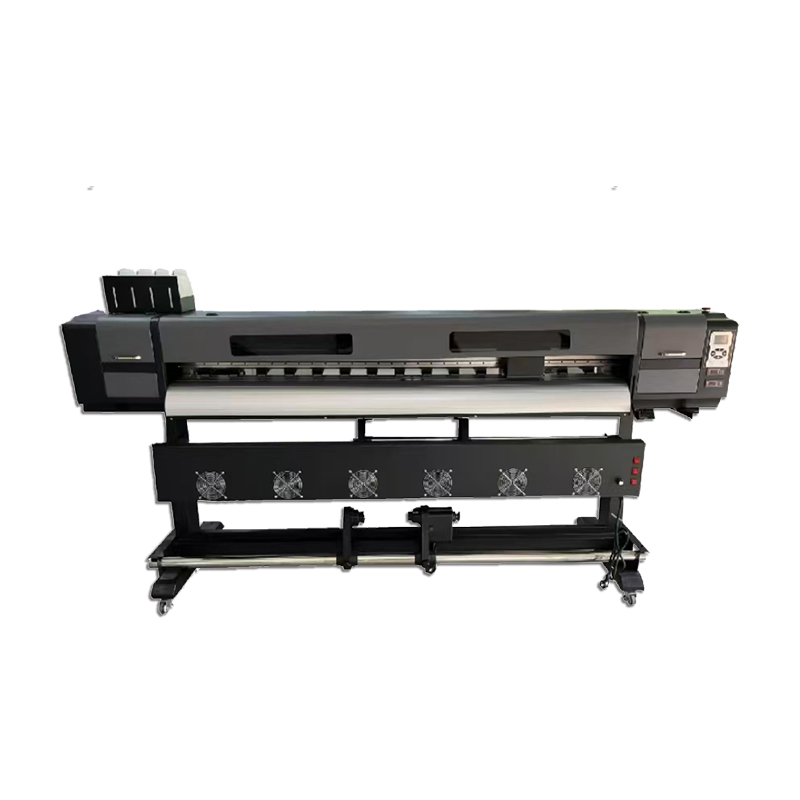
Core Print Quality Drivers: Color Vibrancy, Wash Durability, and Color Accuracy
How Ink Chemistry, Printhead Precision, and Heat Transfer Synergy Determine Vibrancy and Fade Resistance
The best sublimation inks contain pure pigments with particles smaller than 0.2 microns, which helps them absorb light better and penetrate deeply into polyester fabrics when heated. Modern printers have really good printheads with special nozzles that place ink drops just right, so there's no banding or patchy areas in prints. When applying heat between 190 and 210 degrees Celsius, the dye turns into gas and actually gets absorbed into the fabric's polymer structure instead of just sitting on top. This creates much stronger bonds at the molecular level compared to regular surface sticking. Manufacturers who get these three things right ink quality, printer accuracy, and proper heating see amazing results. Tests show colors stay vibrant for around 95% of their original intensity even after 50 normal washing cycles.
Why ISO 105-C06 (Wash Fastness) and ISO 12042 (Color Gamut) Are Critical Benchmarks for Professional Sublimation Printers
The ISO 105-C06 standard remains the gold benchmark for testing how well fabrics hold their colors after repeated washing, mimicking what happens during industrial laundry processes over many cycles. Fabrics that hit Grades 4 to 5 on this scale can keep their vibrant look even after going through 30 or more washes, which makes getting certified absolutely essential for things like athletic wear, hotel bed sheets, and other performance clothing items. Then there's ISO 12042, which looks at how complete a printer's color range is compared to established benchmarks such as the Pantone MX system. Printers hitting at least 90% coverage generally get those critical brand colors right first time around without needing someone to tweak them manually later. These two standards together basically guarantee quality results beyond just looking good they ensure the product will last and stay consistent from batch to batch. A recent study from 2023 showed something pretty interesting too systems following these ISO guidelines cut down on the time spent fixing colors before printing by about 40%, which means faster production runs and less wasted material overall.
Fabric Compatibility Essentials: Polyester Content, Coating, and Diffusion Requirements
The 85%+ Polyester Rule: Science Behind Minimum Thresholds for Permanent Dye Diffusion
The sublimation process works because polyester has certain thermoplastic properties. When heated between about 350 and 400 degrees Fahrenheit, the polymer chains in polyester temporarily open up, allowing gas-based dyes to penetrate and form permanent bonds once things cool down again. For best results, fabrics need to contain at least 85% polyester content. This ensures there are enough active sites within the fibers where dye molecules can attach evenly throughout the material. If the polyester percentage drops below that magic number, problems start happening. Colors tend to spread unevenly, resulting in those annoying patches we all hate. And don't be surprised if colors fade faster too – sometimes within just five to ten laundry cycles. Another benefit of higher polyester content? It actually stops dye from migrating sideways when being pressed, which helps maintain crisp edges and intricate details on printed designs. The 85% guideline isn't some random standard set by manufacturers. It comes straight from how polymers behave at a molecular level.
When and Why Non-Polyester Fabrics Require Polymer Coatings for Reliable Sublimation Adhesion
Cotton and other natural fibers just don't have the right kind of polymer structure to work well with sublimation printing techniques. When dealing with fabric blends containing less than 85% polyester or completely natural materials, manufacturers often apply special polymer coatings as sort of a bridge between the fabric and the dye. These coatings are usually made from acrylic or polyurethane resins. What happens during the heating process is pretty interesting actually – the coating melts slightly, wraps around the dye particles, then hardens again into a flexible film that sticks to the fabric surface and resists washing out. If there's no coating applied, the colors tend to sit on top of the fabric rather than being absorbed properly, which leads to problems like cracks forming, colors peeling off after a few washes, or simply fading away too quickly. The thing about these coatings though is they come in many different formulas with varying levels of stretchiness, how breathable they are, and how they react when cured. That means it's really important to test them thoroughly with specific inks and heat press settings before going into mass production runs.
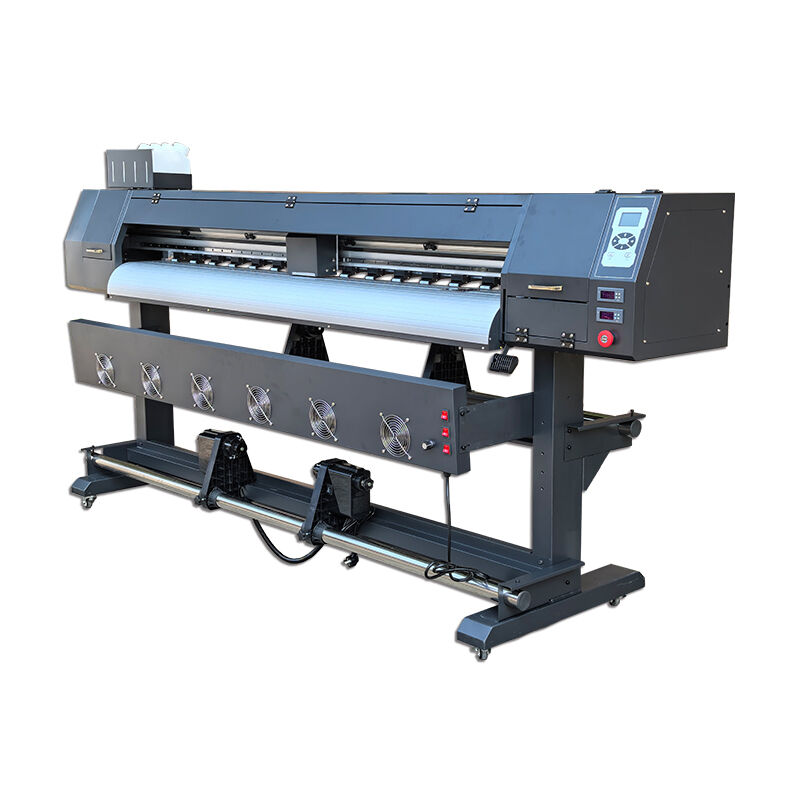
Sublimation Printer Selection by Use Case: Desktop, Production, and Brand-Specific Considerations
Epson vs. Sawgrass vs. Ricoh: Printhead Technology, Ink System Lock-in, and Long-Term Cost of Ownership
The design of printheads really sets the limits for what these machines can do. Take Epson's Micro Piezo tech for instance it works by using mechanical actuators to push out ink drops in a controlled way without heating them up first. This results in much better droplet uniformity and longer lasting prints overall. On the other side of things, Sawgrass goes with thermal printheads where they quickly heat up the ink to form vapor bubbles that propel the ink forward. While this allows for faster printing speeds, it does put extra strain on the printer components over time. Ricoh has developed their GELJET system which manages pigments effectively while still providing good control similar to piezoelectric systems. This makes their printers stand out when it comes to color intensity and detail resolution needed for professional grade work. When looking at ink costs though, there are big differences between brands. Sawgrass requires special cartridges only available from them, whereas both Epson and Ricoh let users choose from various third party options. A recent study from 2023 showed that thermal based printers generally cost around 40 percent more per year on ink alone compared to piezoelectric ones across three years of regular use. For roll to roll setups specifically, operators need to factor in additional expenses related to maintaining automatic fabric feed systems plus replacing printheads more often. Piezo heads tend to last about half again as long as thermal counterparts before needing replacement, which matters quite a bit for commercial operations running multiple shifts daily.
Matching Your Workflow – Desktop Sublimation Printers for Prototyping vs. Roll-to-Roll for High-Volume Fabric Output
Picking out the right printer really comes down to matching what the machine can do with what needs to get done. Desktop sublimation printers work great for quick prototypes, making small batches of custom stuff, or when studios need samples fast. These machines typically handle around 13 inches wide, run at moderate speeds between 10 to 15 square feet per hour, and come with software that's pretty easy to work with. They're good for producing about 50 to 100 items each day on things like clothes, accessories, or marketing materials. On the other hand, industrial roll-to-roll systems are built for non-stop big volume work. Automated feeding lets these print over 200 linear feet daily across all sorts of fabrics, from light chiffon to heavy canvas. Plus they handle drying, cutting, and tension control right there in the line. The numbers tell an important story too. According to a textile industry report from 2022, companies that started with tiny desktop printers and then had to upgrade later ended up spending 70% more overall compared to those who got the right size equipment from day one. And let's not forget about ventilation and heat management in production settings. This isn't just about keeping the presses cool, but maintaining stable printheads and ink systems over time, which matters a lot for consistent quality.

