
 EN
EN
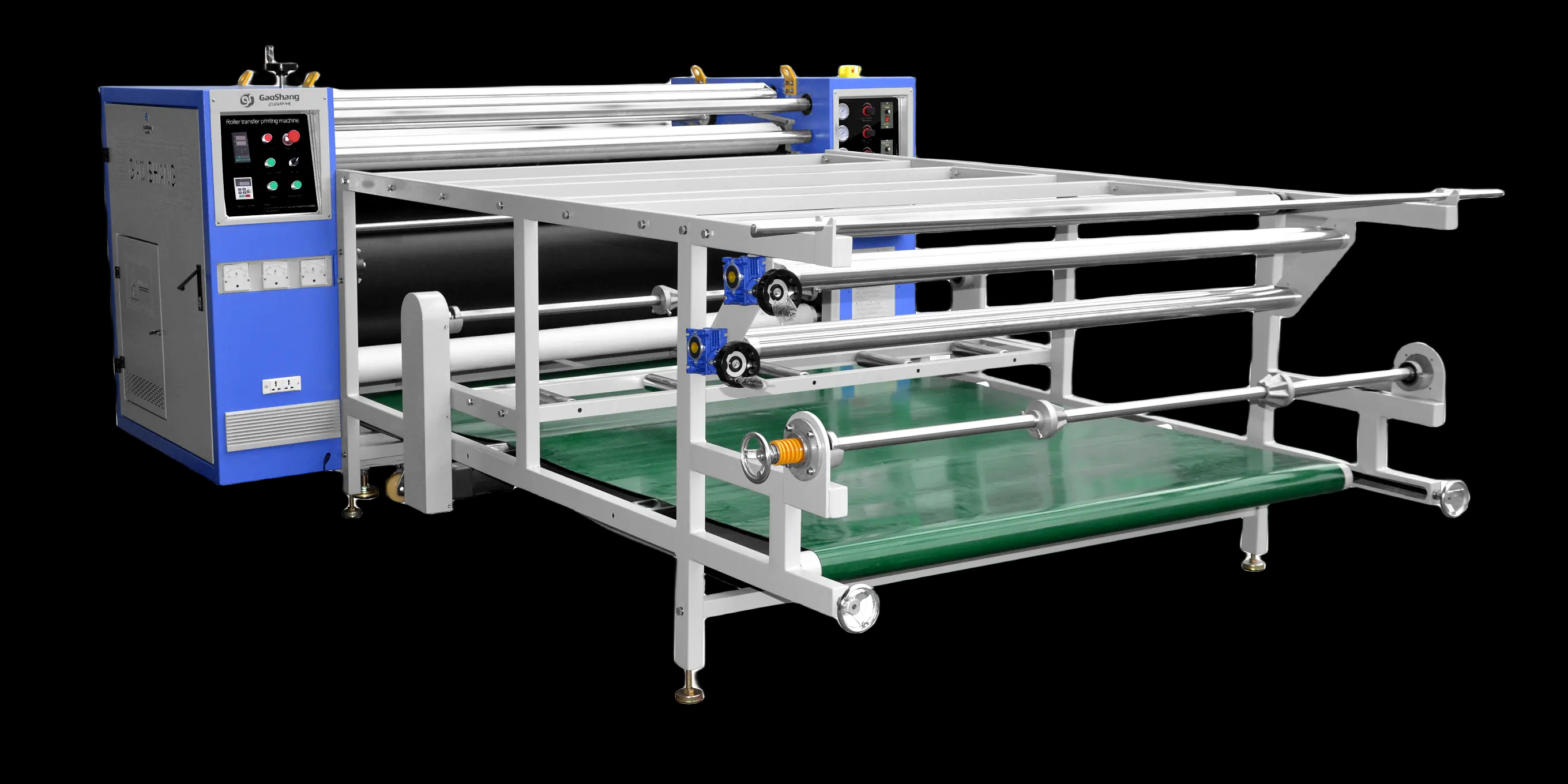
ما هي كالاندرا للتصبير النسيجي ولماذا تلائم احتياجات الإنتاج النسيجي في إسبانيا؟
الميكانيكا الأساسية: كيف يختلف نظام التصبير القائم على الكالاندرا عن أنظمة الطابعات المسطحة أو أنظمة التصبير من لفافة إلى لفافة؟
أ كالاندرا للتصبير النسيجي تستخدم بكرات فولاذية مسخّنة لنقل أصباغ التصبير إلى أقمشة البوليستر تحت ضغط عالٍ والتحكم الدقيق في درجة الحرارة — وعادةً ما تتراوح بين ١٩٠–٢١٠°م. وعلى عكس الأنظمة الأخرى، تم تصميم هذا النظام القائم على الكالاندرا خصيصاً للإنتاج النسيجي المستمر وبكميات كبيرة:
- الطابعات المسطحة تعتمد على ألواح ثابتة، مما يحد من استخدامها على الركائز الصلبة أو التشغيلات القصيرة؛ ويؤدي التحميل اليدوي إلى تعطيل سير العمل ويُضعف الإنتاجية التي يتطلبها قطاع الموضة السريعة في إسبانيا.
- أنظمة اللف إلى اللف ، وعلى الرغم من كونها مستمرة، فإنها غالبًا ما تعاني من تقلبات في الشد تؤدي إلى عدم انتظام في التسجيل—وخاصةً عند السرعات فوق ٢٥ مترًا/دقيقة—مما يُضعف دقة الطباعة على الأقمشة بعرض كبير.
تُحلّ الكالاندراس هذه القيود من خلال تنسيق سرعات الأسطوانات وتحقيق توزيع متجانس للضغط عبر عرض القماش الكامل (حتى ٣٫٢ متر). وهذا يضمن انتشار الصبغة بشكل متسق، ويمنع التمدد والتشويش، ويحافظ على حيوية الألوان—حتى عند السرعات القياسية في القطاع والتي تتجاوز ٣٠ مترًا/دقيقة.
دقة نقل الحرارة في السياقات الإيبيرية: المناخ، واللوجستيات، ومتطلبات الدوران عالي الحجم
يؤدي المناخ المتوسطي لإسبانيا إلى ظهور تحديات تشغيلية: فالرطوبة الساحلية في بلنسية أو برشلونة قد تتراكم على الأسطح المكشوفة للآلات على هيئة تكثّف، ما يُخلّ باستقرار انتقال الحرارة ويُحفِّز حدوث عملية التسامي بشكل غير متسق. وتتغلَّب أفران «كالاندرا» على هذه المشكلة من خلال غرف تسخين مغلقة بالكامل ونظام تحكُّم مغلق في درجة الحرارة—وبذلك تحافظ على استقرار درجة الحرارة ضمن مدى ±2°م خلال عمليات التشغيل التي تمتد لساعات عديدة.
الطبيعة الموثوقة لهذه الأنظمة تدعم فعليًّا احتياجات إسبانيا في عمليات اللوجستيات الخاصة بها. فلنتأمل في مدن مثل برشلونة ومدريد، التي أصبحت مراكز توزيع رئيسية داخل الاتحاد الأوروبي، وتتعامل مع الطلبات التي تُشحن عادةً خلال ثلاثة أيام. وعند أخذ سرعة الانتقال بين المهام (والتي قد تستغرق أحيانًا أقل من اثنتي عشرة دقيقة) بالإضافة إلى ميزات توفير الطاقة عند عدم التشغيل الفعلي في الاعتبار، يصبح من الواضح لماذا تندرج آلات الكالاندرا بسلاسة ضمن المبادئ التوجيهية الخضراء للاتحاد الأوروبي وخطة إسبانيا الوطنية للحد من انبعاثات الكربون. ووفقًا للأرقام التي أصدرتها الاتحاد الإسباني للمنسوجات العام الماضي، فإن هذا النظام ينجح فعليًّا في خفض الهدر بنسبة تقارب اثنين وعشرين في المئة أثناء عملية التشطيب لمنتجات الملابس الرياضية البوليسترية في جميع أنحاء البلاد.
معايير الاختيار الرئيسية لآلات الكالاندرا للتجهيز بالتصبير الحراري للنسيج في إسبانيا
الامتثال التنظيمي: علامة CE، ولوائح REACH، ومتطلبات السلامة الصناعية الإسبانية (المرسوم الملكي رقم 1215/1997)
الامتثال ليس اختياريًّا—بل هو أساسٌ لا غنى عنه. وبموجب توجيه الماكينات الأوروبي 2006/42/EC، يُؤكِّد علامة CE السلامة الميكانيكية والكهربائية والحرارية. أما الامتثال لتشريع REACH فهو إلزاميٌّ لا جدال فيه بالنسبة لأصباغ التسامي المستخدمة في ملابس الأطفال أو المنسوجات المنزلية، وهو ما يفرض إمكانية تتبع كاملة للتركيبات الخالية من الأزو والمعادن الثقيلة.
يُدخل المرسوم الملكي الإسباني رقم ١٢١٥ لعام ١٩٩٧ بعض القواعد المحلية المهمة المتعلقة بالسلامة في معدات تصنيع النسيج. ويشمل ذلك ضرورة حصول الأسطوانات المسخَّنة على شهادات اعتماد صحيحة كأوعية خاضعة للضغط، وتثبيت أنظمة إيقاف طارئ تعمل عبر قناتين منفصلتين، والاحتفاظ بسجلات تقييمات المخاطر الخاصة بالمناطق التي قد يقترب منها العاملون بشكلٍ خطر. ووفقاً للبيانات الواردة في أحدث تقرير صادر عن وكالة السلامة والصحة المهنية الأوروبية (EU OSHA) الخاص بالنسيج (الطبعة لعام ٢٠٢٣)، سجَّلت المصانع التي طبَّقت هذه اللوائح الإسبانية على آلات الكالاندرا انخفاضاً في الحوادث بنسبة تقارب ٣٤٪ مقارنةً بالمصانع التي اكتفت باستخدام المعدات القياسية الحاصلة على علامة CE المستوردة من مناطق أخرى دون تعديلها لتناسب الظروف الخاصة في شبه الجزيرة الإيبيرية. أما الشركات التي تتجاهل هذه المتطلبات فتواجه مشكلات جسيمة؛ إذ قد تصل الغرامات المفروضة نتيجة الإنفاذ إلى أكثر من نصف مليون يورو، فضلاً عن احتمال إغلاق المنشأة بالقوة وفقاً لقوانين إسبانيا المتعلقة بالوقاية من المخاطر المهنية.
بنية الدعم المحلي: توفر فنيين وقطع غيار في برشلونة ومدريد وفالنسيا
يُعتبر وقت التوقف عن التشغيل العامل الأكبر الوحيد من حيث التكلفة في عملية التسامي عالي السرعة. وفي إسبانيا، يرتبط وقت التشغيل الفعلي ارتباطًا وثيقًا بالبنية التحتية المحلية للخدمة:
- تسجل المنشآت الواقعة ضمن نطاق ٥٠ كم من الفِرق الفنية المتمركزة في برشلونة توافراً تشغيلياً بنسبة ٩٨٪.
- تتطلب الممرات الصناعية في مدريد توافر مخزون معتمَد في الموقع لمجموعات أسطوانات التسخين وأجهزة استشعار الضغط الرقمية — وهي عناصر حاسمة لتقليل تأخيرات إعادة المعايرة.
- تركّز تجمعات النسيج في بلنسية على ضمان تحقيق زمن استجابة لا يتجاوز ٤ ساعات يورو لحالات فشل المعايرة الحرارية، نظراً لحساسيتها الشديدة لتغيرات رطوبة الجو المحيط.
لكل النشرة الفصلية لتكنولوجيا النسيج (٢٠٢٤)، تقلّل الشركات المصنِّعة التي تمتلك شهادات خدمة إقليمية موثوقة من وقت التوقف غير المخطط له بنسبة ٥٧٪ مقارنةً بالوحدات التي تُدار عبر دعم بعيد — ما يجعل قرب الفنيين أمراً بالغ الأهمية بنفس درجة أهمية مواصفات الماكينة.
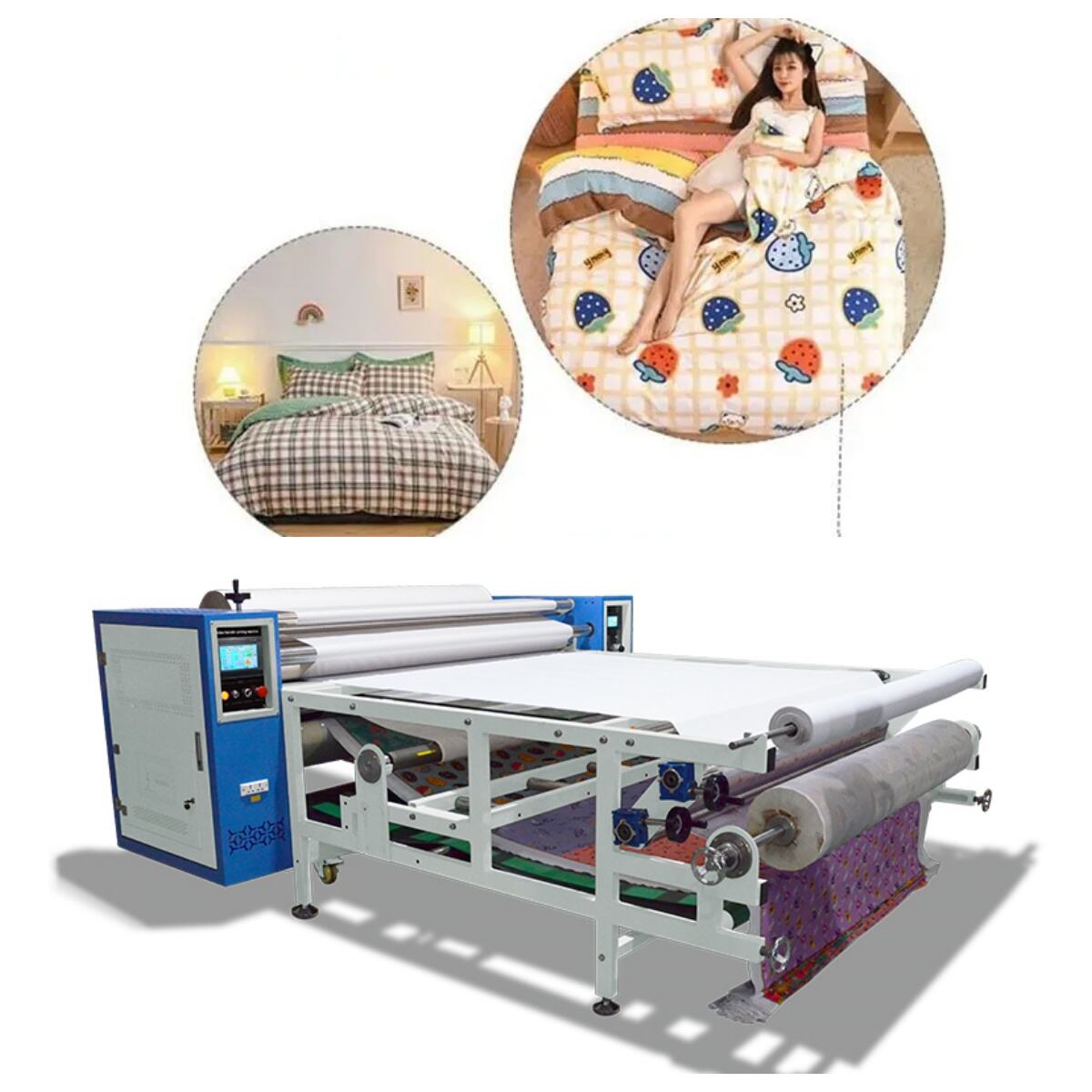
تحسين أداء آلة الكالاندرا الخاصة بالتسامي النسيجي عبر أنواع الأقمشة الإسبانية
التطبيقات المهيمنة على البوليستر: الملابس الرياضية والمنسوجات المنزلية — إعدادات التوتر ودرجة الحرارة والسرعة المثلى
يبقى البوليستر المادة الأساسية المستخدمة في عملية التصبير بالكالاندر في إسبانيا، حيث يشكّل أكثر من ٨٥٪ من الإنتاج في مجال الملابس الرياضية والمنسوجات المنزلية، وذلك بسبب انسجامه الجزيئي مع الأصباغ المتناثرة. ويعتمد الأداء الأمثل على ثلاثة عوامل مترابطة بشكل وثيق:
- درجة الحرارة : تتراوح درجة الحرارة بين ١٩٥–٢٠٥°م لتوفير تفعيل كامل للأصباغ دون حدوث تحلل بوليمرّي. وأي انحراف عن هذه المدى بمقدار ±٥°م يؤدي إلى خفض ثبات الألوان بنسبة تصل إلى ٤٠٪، وفقًا لاختبار ISO 105-B02 الذي أُجري في معهد AITEX (المعهد الإسباني لتكنولوجيا النسيج والملابس).
- توتر : التوتر المتوسط (١,٨–٢,٢ نيوتن/سم) يمنع تشوه الألياف في الأقمشة المحبوكة المرنة، مع ضمان تماس كامل للنسيج مع الأسطوانات.
- السرعة : تتراوح السرعة بين ١٥–١٨ متر/دقيقة للملابس الرياضية الخفيفة الوزن؛ أما المنسوجات المفروشة الثقيلة الوزن فتتطلب سرعة لا تتجاوز ١٢ متر/دقيقة لتفادي ظاهرة التظليل (Ghosting) ولضمان انتشار الصبغة بالتساوي.
تعكس هذه الإعدادات معايير الجودة المتوسطية— حيث تُفرض متطلبات المتانة ومقاومة الغسيل والثبات اللوني بشكل عقدي في اتفاقيات التصدير مع تجار التجزئة في الاتحاد الأوروبي.
الخليطات (مثل البوليستر-القطن): حدود المعايرة وخيارات التحديث لوحدات الكالاندرا القياسية للتصبير النسيجي
وبينما يُحقِّق البوليستر الخالص أفضل النتائج، فإن سوق الأزياء في إسبانيا يتطلب بشكل متزايد خليطات— وبخاصة التركيبات بنسبة ٦٥/٣٥ و٥٠/٥٠ من البوليستر والقطن. وتصل الكالاندرا القياسية إلى حدودها الوظيفية عند نسبة قطن تبلغ نحو ٣٥٪ بسبب انخفاض عتبة التصبير للسليلوز وعدم التطابق في انتشار البخار. وفوق هذه النسبة، تصبح الطباعة غير المتجانسة وتأثير الهالة شائعة.
إن تحديث المعدات القديمة يُحدث فعلاً فرقاً كبيراً. وبفضل مناطق الضغط القابلة للضبط، يمكن ضغط الأقمشة المختلفة بشكل منفصل أثناء المعالجة. ويشمل النظام أيضاً حقن البخار عند درجة حرارة تبلغ حوالي ١٠٥ درجات مئوية قبل بدء عملية التسامي، مما يساعد على انتفاخ ألياف القطن لتمتص الأصباغ بشكل أفضل. أما بالنسبة للمواد المختلطة التي تحتوي على ما يصل إلى نصف محتوى قطني، فإن هذه التحسينات تؤتي ثمارها جيداً إذا خفض المشغلون درجات الحرارة إلى ما بين ١٨٥ و١٩٠ درجة مئوية وزادوا التوتر بنسبة تقارب ١٥٪. فالقطن ببساطة لا يتحمل الحرارة بنفس كفاءة الألياف الأخرى. وقد لاحظت بعض شركات النسيج الكبرى في إسبانيا أن نتائج طباعتها أصبحت أكثر اتساقاً بنسبة تصل إلى ٦٠–٦٥٪ منذ تركيب هذه التحديثات. ويجد معظمها أن استثمارهم يُحقِّق عائداً سريعاً جداً، وعادةً ما يكون ذلك خلال فترة تزيد قليلاً عن خمسة أشهر وفقاً للتقارير الصادرة عن القطاع.
كفاءة الطاقة والاقتصاد التشغيلي وفقاً للأنظمة الأوروبية والإسبانية
يتطلب تشغيل آلة تكثيب نسيجية في إسبانيا تحقيق توافق استراتيجي مع الأطر التنظيمية المتشددة المتعلقة بالطاقة. وتشترط توجيهية الاتحاد الأوروبي لكفاءة الطاقة (2023) خفض استهلاك الطاقة الأساسي للمعدات الصناعية بنسبة 32% بحلول عام 2030، بينما يُلزم المرسوم الملكي الإسباني رقم 56/2016 المؤسسات الكبيرة بإجراء جداول تدقيق طاقية معتمدة كل أربع سنوات.
عملية التسخين بالتسامي تستهلك حوالي ٦٠ إلى ٧٠ في المئة من إجمالي تكاليف التشغيل عند الانتهاء من معالجة المنسوجات، لذا فإن تحسين الكفاءة في هذه المرحلة يكتسب أهميةً كبيرةً فعلاً. وتتمكّن الآلات الجديدة من نوع «كالاندرا» المزوَّدة بأنظمة استرجاع الحرارة التوليدية المتطوِّرة من خفض استهلاك الطاقة لكل كيلوجرام بنسبة تقارب الربع مقارنةً بالإصدارات الأقدم منها. وبلا شكٍّ، فإن تكلفة هذه الآلات أعلى في البداية، لكن المبالغ التي توفرها على المدى الطويل تجعلها جديرةً بالنظر والاعتبار بالنسبة لمعظم الشركات. أما في المدى الآتي، فثمة بعدٌ آخر يستحق الذكر أيضاً: فمع إطلاق إسبانيا لمزادات طاقتها المتجددة لعام ٢٠٢٤، يجد المصنِّعون الذين يركّبون ألواحهم الشمسية أو توربيناتهم الريحية الخاصة بهم، إلى جانب اعتماد ممارسات ذكية في جدولة الاستهلاك، سبلاً للحصول على نحو خمسة أسداس احتياجاتهم من الطاقة بسعر خمسة سنتات فقط لكل كيلوواط ساعة. وهذا يعادل تقريباً نصف ما تدفعه معظم الصناعات عبر الاتصال العادي بشبكة الكهرباء، وهو ما يُحقِّق وفراً ملموساً بعد بضعة أشهر من التشغيل.
عدم الامتثال يعني مخاطر مالية حقيقية للشركات. ويمكن أن تُفرض قواعد التصنيف الضريبي الأوروبي غرامات على الشركات تصل إلى 4% من إيراداتها السنوية إذا لم تتماشَ مع هذه القواعد بشكلٍ صحيح. ومن الناحية المقابلة، فإن المصانع المزودة بآلات «كالاندرا» (تلك الآلات الكبيرة المستخدمة في معالجة المنسوجات) والتي تتوافق مع معايير ISO 50001 عادةً ما تحقق عائد استثمار خلال ١٨ شهرًا فقط. ويحدث ذلك أساسًا بسبب وفورات التكاليف الناتجة عن خفض التعريفات الجمركية والحد من الهدر، لكن هناك ميزة إضافية أيضًا. فهذه المرافق الحاصلة على الشهادة مؤهلة للحصول على منح حكومية من وزارة الصناعة الإسبانية، والتي تغطي ما يقارب ثلث تكاليف التحديث لأنظمة أكثر كفاءة في استهلاك الطاقة. وعلى امتداد شبه الجزيرة الأيبيرية، نشهد حدوث ظاهرة مثيرة للاهتمام: فما كان يُنظر إليه سابقًا على أنه خيارٌ بين «الاستدامة البيئية» و«تحقيق الربح» أصبح الآن سيناريو رابح-رابح بالنسبة للكثير من المصنّعين.
جدول المحتويات
- ما هي كالاندرا للتصبير النسيجي ولماذا تلائم احتياجات الإنتاج النسيجي في إسبانيا؟
- معايير الاختيار الرئيسية لآلات الكالاندرا للتجهيز بالتصبير الحراري للنسيج في إسبانيا
- تحسين أداء آلة الكالاندرا الخاصة بالتسامي النسيجي عبر أنواع الأقمشة الإسبانية
- كفاءة الطاقة والاقتصاد التشغيلي وفقاً للأنظمة الأوروبية والإسبانية

