
 EN
EN
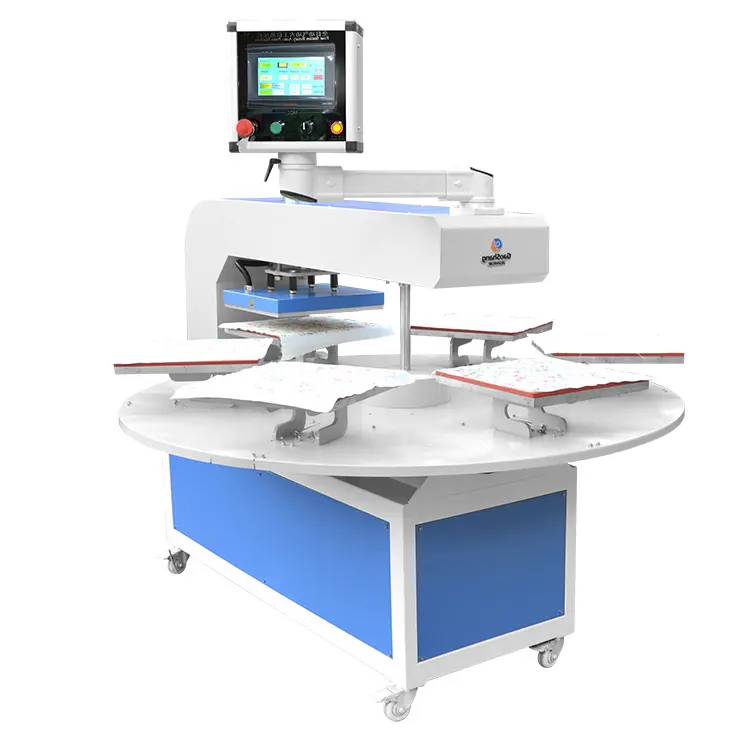
Grondslae van Hittepers-draaiborde: Beheer van Tyd, Temperatuur en Druk
Hoekom Gebalanseerde Parameters Nie-verhandelbaar is vir Eenvormige Oordragte
Om konsekwente resultate met ’n hittepers-draaibord te bereik, vereis dit streng sinkronisasie van tyd, temperatuur en druk. Elke parameter beïnvloed direk die kwaliteit van die oordrag — oormatige hitte brand stowwe, ontoereikende druk veroorsaak afskalling, en tydfoute aktiveer kleuruitvloeiing. Nywerheidsdata toon dat selfs klein afwykings kumulatiewe effekte het:
- 'n 10%-drukongebalanseerdheid verminder die kleefkrag met 30%
- Temperatuurswankings buite ±5 °F (±2,8 °C) veroorsaak ongelykvormige verharding
- Vyfsekondetiming-variasies veroorsaak sigbare defekte in 7/10 oordragte
Hierdie parameters werk onderling afhangend; om vir 'n lae temperatuur te kompenseer deur die persduur te verleng, beskadig dikwels die substrate. Presisie-kalibrasie wat spesifiek afgestel is op elke materiaal—of dit nou poliester, katoen of gemengde weefsels is—is noodsaaklik vir defekvrye uitset.
Hoe karrouselargitektuur konsekwentheid oor stasies heen moontlik maak—of ondermyn
Wanneer dit kom by multi-stasie karuselle, verhoog hulle beslis produktiwiteit, maar daar is sekere konsekwentheidsprobleme indien die veranderlikes by elke stasie nie behoorlik bestuur word nie. Goed-kwaliteit stelsels het gewoonlik dinge soos gesinchroniseerde verhittingkomponente, drukkalibreringsopstellings wat hidroulies gebruik, sowel as daardie outomatiese siklusbeginners. Hierdie eienskappe keer werklik probleme soos temperatuurswaaie van ongeveer 15 grade Fahrenheit tussen die plaatte, ’n afname van ongeveer 20% in hegtigheid by swakker stasies, en al daardie tydsbepalingsfoute wat mense geneig is om met goedkoper toerusting te maak. Ons het infrarooi-toetse gesien wat wys hoe plaatte wat nie gesinchroniseer is nie, warmtespitses skep wat lei tot ongeveer 25% meer afgekeurde produkte. En laat ons nie vergeet van daardie meganiese drukarms wat bloot nie krag gelykmatig oor die oordragsgebied versprei nie. Stelsels wat gebou is met ‘n vooruitskouende argitektuur, volledig uitgerus met digitale sensore en outomatiese kalibreringsvermoëns, verander werklik rotasie-effektiwiteit in iets waarop vervaardigers kan staatmaak vir konsekwente volume-produksie oor tyd.
Optimale Hittepers-draaibank-werkvloei
Voorafse kalibrasie- en uitlyninglys
Om gereed te maak vir produksie beteken om eers 'n paar noodsaaklike kalibreringsstappe deur te gaan. Kom ons begin met die kontrole van temperature by elke stasie. Neem 'n infrarooi termometer en vergelyk wat dit aandui met die lesings op die beheerpaneel. Ons moet binne 'n maksimum verskil van ongeveer 5 grade Fahrenheit bly. Die volgende stap is om te toets hoe gelykmatig druk toegepas word. Gebruik daardie spesiale papiere wat van kleur verander wanneer dit onder druk geplaas word, en pas alles wat nodig is aan totdat die merke oral baie dieselfde lyk. Kontroleer dan of die platen behoorlik uitgelyn is met voelermaatstokke. As hulle met meer as 'n half duisendste van 'n duim af is, sal dit ons drukwerk ernstig beïnvloed. Laastens moet u verseker dat die tydhouders akkuraat is deur hulle teen 'n stopwatch van goeie gehalte te meet. Skryf al hierdie nommers neer in die onderhoudregisters sodat ons dit met tyd kan monitor. Werke wat werklik al hierdie stappe gereeld doen voor hulle met werk begin, ervaar ongeveer 30 persent minder drukfoute en bespaar ongeveer 'n kwart minder op verspilde materiale in vergelyking met dié wat hierdie kontroles oorlaat.
Gestandaardiseerde Laai-, Siklus- en Uitwerpprotokol
Implementeer 'n gestruktureerde driefase-werkvloei:
- Laai : Plaas substrate voulvry op die onderste plaatte met behulp van uitlyningsgidsse, om te verseker dat oordragte sentraal binne toleransiesones bly
- Siklusse : Skakel veiligheidsluite in voordat tydhouders geaktiveer word; onderbreek siklusse nooit voor tyd nie
- Uitwerping : Verwyder items binne 3 sekondes met hittebestendige grepe, dan koel dit plat op rakke af — stapeling veroorsaak beeldverswaking
Hierdie protokol elimineer bediener-afhanklike veranderlikes. Fasiliteite wat streng volgorde handhaaf, bereik 'n 98% opbrengsbestendigheid oor veeltasie-hitperskaruselle deur identiese verblyftyd en koelomstandighede vir elke oordrag te verseker.
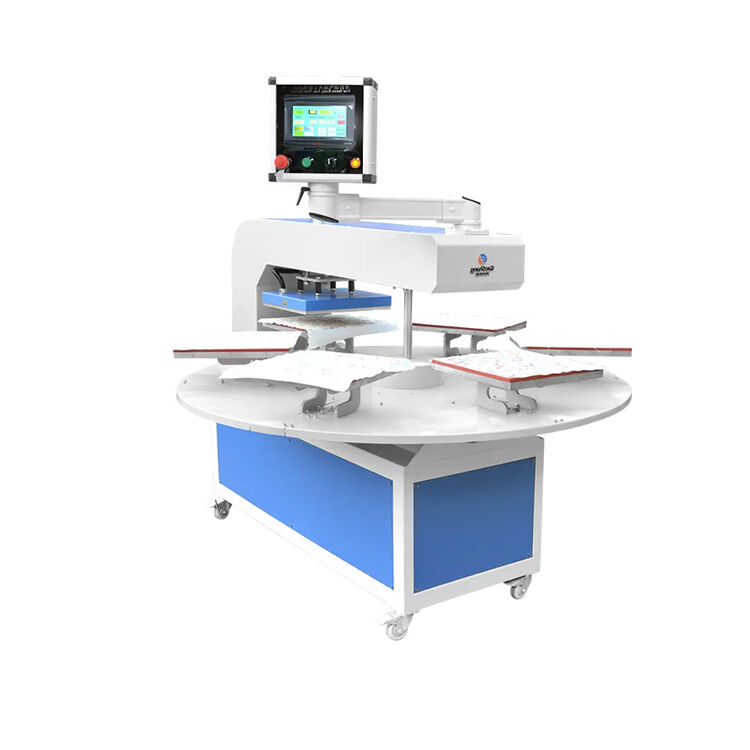
Verifikasie en instandhouding van hitteperskaruselakkuraatheid
Bevestiging van temperatuurmetings: Digitale termokoppels teenoor ingeboude sensore
Akkuurte temperatuurvalidering skei professionele oordragte van gefoute resultate. Terwyl ingeboude sensore gerief bied, toon studies dat hulle na langdurige gebruik tot 15°C kan afwyk. Digitale termokoppels verskaf laboratoriumgraad-verifikasie deur middel van multi-punt oppervlak-kaartmaking, en bespeur warm/koue kolle wat die integriteit van die oordrag kompromitteer. Vir optimale validering:
- Toets maandeliks tydens produksie-lopies
- Plaas sonde by al vier hoeke en die middel van elke plaat
- Neem afwykings wat buite ±5°C-toleransiegrense val, aan
Vooraanstaande fasiliteite wat hierdie protokol gebruik, verminder herwerkingskoerses met 32% in vergelyking met die uitsluitlike vertroue op fabrieksensore.
Druk-eenheidlikheidstoetsing en sy direkte impak op veeltasie-opbrengs
Wanneer die druk nie konsekwent oor stasies is nie, begin probleme gewoonlik in die vervaardigingslyne ontstaan, wat tot hoër uitwerpselkoerse lei. Daar is egter werklik 'n baie eenvoudige manier om dit te toets. Plaas net 'n spesiale drukgevoelige papier onder elke platenarea. Nadat die masjien gedraai is, kyk na hoe donker daardie papierafdrukke oor die hele oppervlak is. Indien daar plekke is wat ligter of donkerder as ander lyk, moet die hidrouliese of lugdruk afgestel word totdat die verskille tussen die donkerste en ligste areas binne ongeveer 10% bly. Werke wat hierdie soort drukkaartmaking elke drie maande doen, behaal gewoonlik ongeveer 98% goeie onderdele by die eerste poging, vergeleke met slegs 76% wanneer hulle glad nie toets nie. Die Ponemon-instituut het in 2023 hierdie saak ondersoek en bevind dat dit ook 'n groot finansiële verskil maak, met 'n besparing van ongeveer sewehonderdveertigduisend dollar per jaar net op materiaalverspilling en arbeidskoste vir maatskappye wat medium hoeveelhede produkte vervaardig.

