
 EN
EN
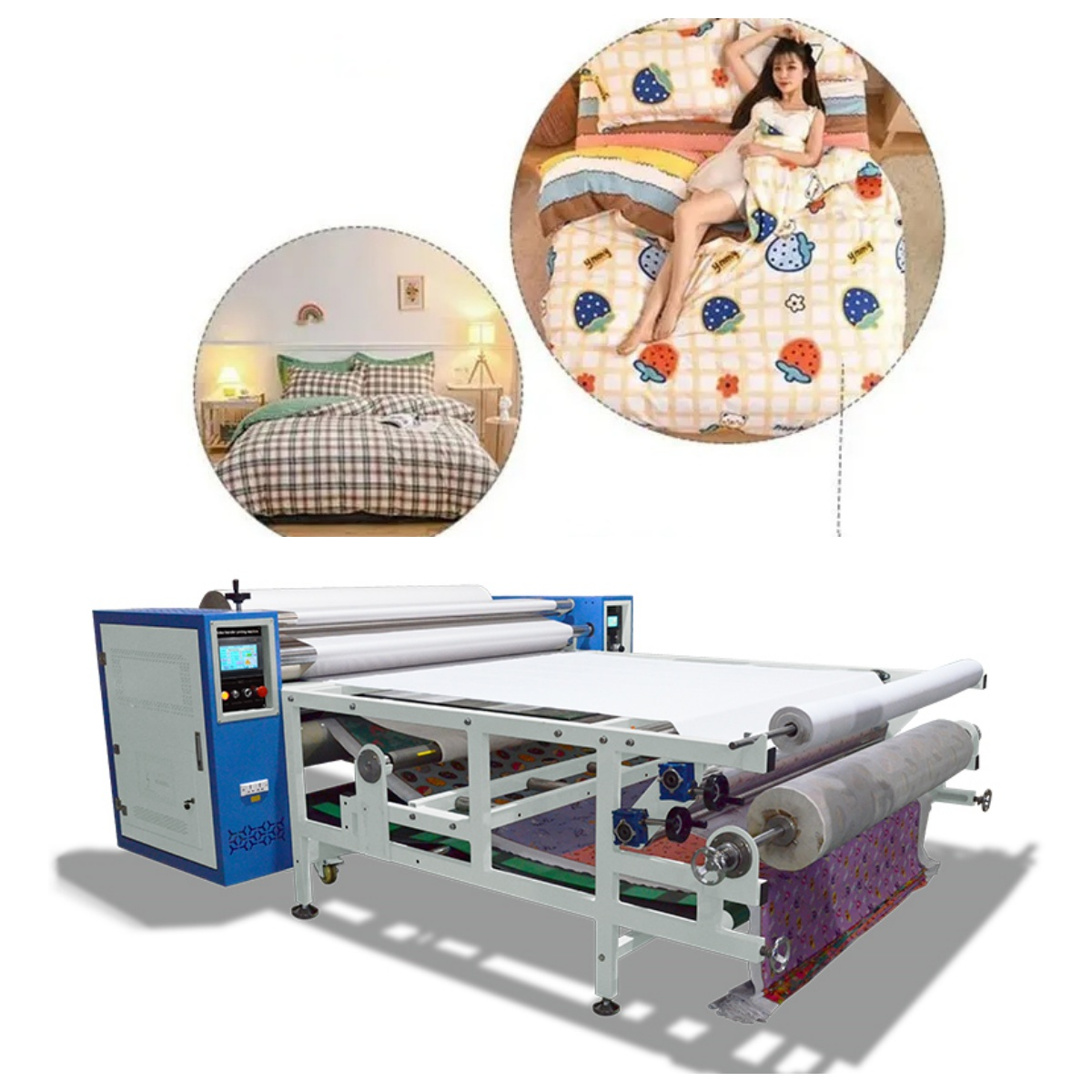
Шта је Каландра сублимациони текстил и зашто је неопходан за сублимацију меких тканина
Механизам топлотне трансфере у основи: Како топлота, притисак и време омогућавају сублимацију на плетеном полиестерском мешавини
Процес сублимације каландра ради кроз топлотни трансфер где топлота претвара чврсте честице боје у гасни облик. Овај гас се затим шири и заправо се везује на молекуларном нивоу са полиестерским влакнама када се примени одговарајући притисак. Када раде са полиестерским мешавицама, већина људи открива да температуре између око 190 и 210 степени Целзијуса за око пола до целог минута дају добре резултате без спаљивања материјала. Постизање равномерног притиска на свим овим загревеним ваљцима осигурава да се боја апсорбује конзистентно, а многи произвођачи извештавају да су у својим тестовима добили ефикасност преноса изнад 95%. Оно што ову методу чини посебном јесте то што она закључава дизајн у саму ткиву. Боје остају живописне након прања и тканина задржава своје својства истезања, због чега толико произвођача одеће воли ову технику за квалитетне штампе које трају.
Проблем са меким ткивом: Зашто се растезаност, мала маса и осјетљивост површине захтевају каландра сублимација Текстилна прецизност
Еластични супстрати као што су спојеве спандекса представљају различите изазове производње:
- Протезање : Флуктуације напона током преноса искривљавају слике и неправилно региструју.
- Мала маса : Лака трикота (< 120 гсм) лако се компресира; прекомерни притисак оштећује структуру петље и смањује дисање.
- Осетљивост површине : Нерегуларне текстуре изазивају неконзистентан контакт ваљка, што доводи до плетених или некомплетних штампа.
Микро-регулисани систем притиска каландра решава ове проблеме, одржавајући тачност регистрације у оквиру ± 0,3 мм. Без ове нивоа контроле, стопа дефекта у лаким текстилима се повећава до 40%, према подацима из теренских прерађивача текстила велике количине.
Оптимална операција Каландра сублимационог текстила: поставка, подешавање параметара и контрола у реалном времену
Основне ствари које треба урадити пре обраде: прекондиционирање тканине, проверу оцвршћивања мастила и калибрацију напетости ролле
Три корака пре покретања нису преговарајућа за доследан производ меких тканина:
- Прекондиционирање тканина : Стабилизирајте плетене полиестерске мешавине на 4045% релативне влаге 24 сата. Неуравнотежена влага чини 32% несагласности сублимације, посебно у блеђивању и нејасноћи ивица.
- Проверка оцвршћивања мастилом : Потврдите потпуну цвршћину пигмента користећи ISO 105-X12 тестове трљања. Подцврстили мастила крваре под топлотом и притискомособено проблематично на истезаним ткивима где је миграција појачана.
- Калибрација напетости ролле : Поставите напон на 0,81,2 Н/мм2 са дигиталним мерилима крутног момента. Превише мало напетости изазива клизгање и пролаз; превише равна плетеве петље и смањује осећај руке.
Критични параметри триада: Температура, притисак и временско постављање за лагане и еластичне супстрате
Успех зависи од балансирања три међузависне променљиве:
- Температура : Држите на 195205°C за еластичне смеше. испод 190 °C даје непотпуну сублимацију; изнад 210 °C ризикује се деградација влакана и жутање.
- Pritisak : Смажите на 0,60,9 барзначајно ниже од стандардних поставки од 1,5 барда бисте заштитили интегритет и еластичност плетка.
- Времено престанка : Проширити на 4560 секунди како би се омогућила потпуна дифузија боје без прегревања деликатних влакана.
Анализа индустрије наводи да 74% дефеката бледења у лаким тканинама узрокује неправилна комбинација параметара. Инфрацрвени сензори површине у реалном временуинтегрирани у модерне системе каландраомогућавају аутоматско подешавање ролера, елиминишући температурно одступање током продужених тркања.
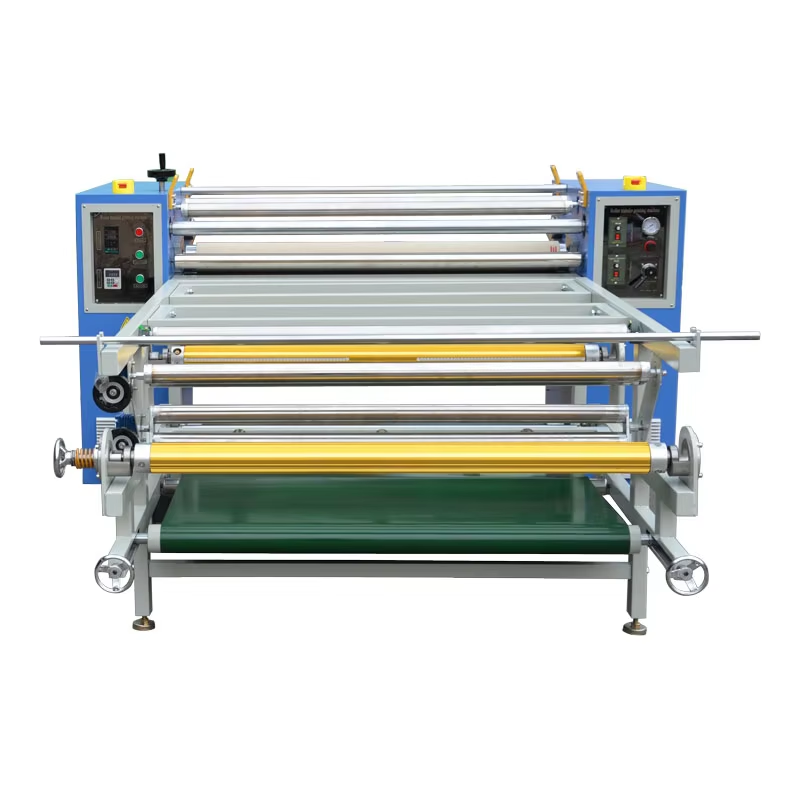
Решавање проблема са дефектима штампе у производњи меких тканина користећи Каландру сублимационо текстил
Изблеђивање, пробуђење и крварење: Анализа коренског узрока и корекције специфичне за Каландру
Изблеђивање, призрачно и крварење нису својствени меким ткивима - они сигнализују пропусте процеса које се могу спречити у операцији са каландра сублимацијом текстила.
- Ублажавање изазива недостатак топлотне енергије: температура испод 190 °C или време боја испод 45 секунди ограничава дифузију боје у полиестерска влакна.
- Фантомско штампање процес преласка се обично одвија од стране тканине током преласка, најчешће због неправилног напетости ролера или издржених антислид површина.
- Krvarenje појављује се када неотврзано мастило мигрира под топлотом и притиском, што се погоршава прекомерном засићеношћу или високим притиском на подложкама за истезање.
У ремије на Каландру спадају:
- Подизање температуре на 190195°C и продужавање времена боравка на 4560 секунди за лагане плетење како би се решило блеђење.
- Наношење антислидких премаза на бази силикона на ваљке и калибрирање напетости на 2,53,0 Н/мм2 како би се елиминисало праштање.
- Проверка затврдњења мастила пре штампања и смањење притиска на ≤40 кПа (0,4 бара) за смеше богате спандексом како би се зауставило крварење.
Као што је потврђено од стране Текстилни штампачки часопис (2023), 70% понављајућих дефеката сублимације директно се прати на некалибриране или нестабилне параметре топлотне штампешто чини дисциплиновано, управљање каландром засновано на подацима од суштинског значаја за производњу врхунских меких тканина.
Sadržaj
- Шта је Каландра сублимациони текстил и зашто је неопходан за сублимацију меких тканина
- Оптимална операција Каландра сублимационог текстила: поставка, подешавање параметара и контрола у реалном времену
- Решавање проблема са дефектима штампе у производњи меких тканина користећи Каландру сублимационо текстил

