
 EN
EN
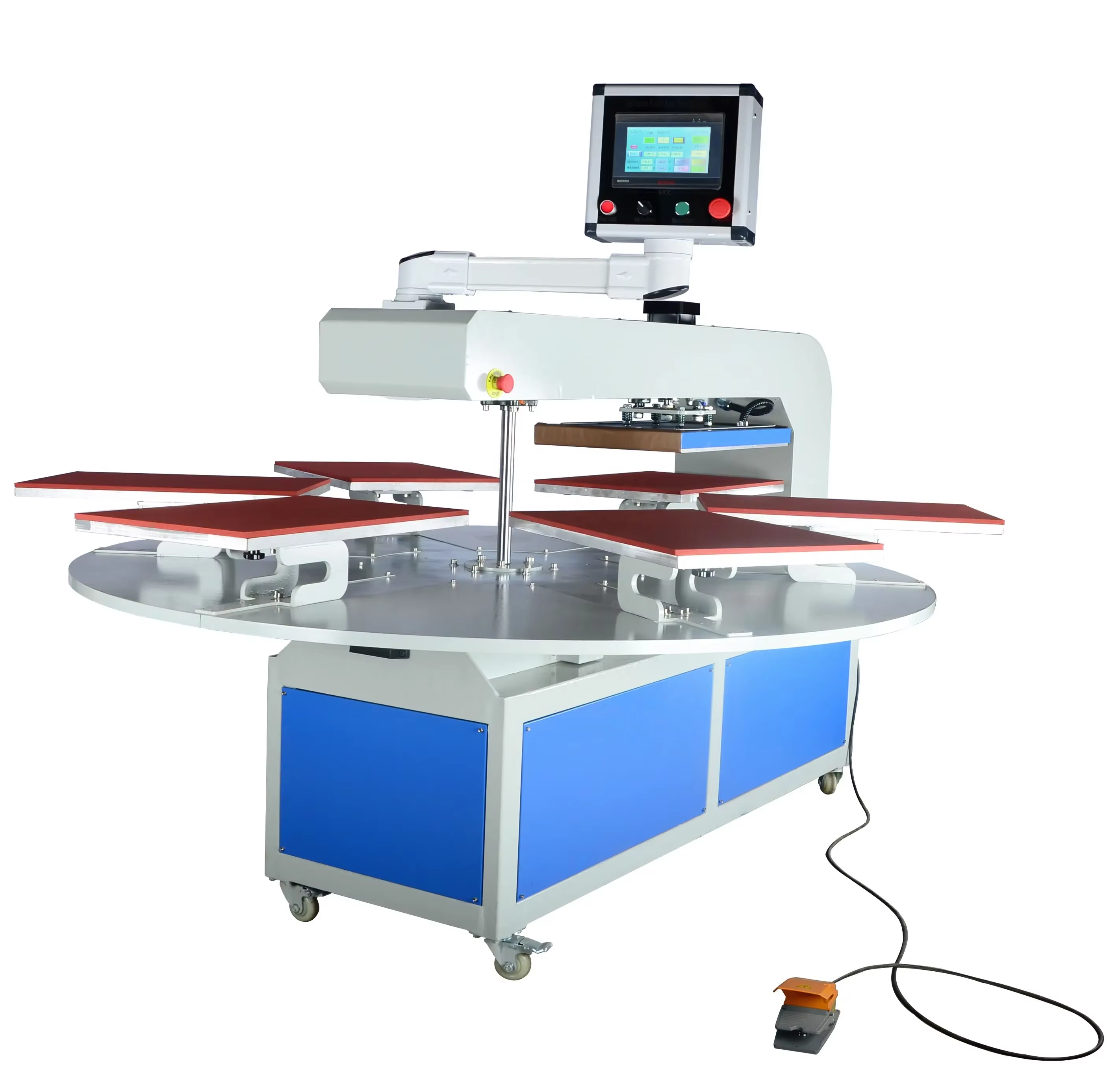
Avaluació del volum de producció i de les necessitats de flux de treball per a la vostra premsa tèrmica en carrousel
Adaptació del nombre d’estacions a la sortida setmanal: des de petites sèries (100–500 unitats) fins a volums alts (més de 2.000 unitats)
Escollir el nombre correcte d'estacions per a un carrusel de premsa tèrmica depèn fonamentalment de fer coincidir el que l'empresa pot produir realment amb el que necessita fabricar. Les operacions de petites sèries, que gestionen aproximadament entre 100 i 500 unitats setmanals, solen funcionar millor amb 3 o 4 estacions. Això ofereix prou potència sense ocupar massa espai ni consumir electricitat addicional innecessàriament. Per als tallers de volum mitjà, que treballen entre 500 i 2.000 unitats setmanals, normalment és raonable optar per 5 o 6 estacions. Aquestes configuracions permeten dur a terme simultàniament les fases de precalentament, pressió real i refredament, mantenint alhora la gestió factible per als operaris, que han de supervisar tot el procés. Quan es passa a situacions d’alt volum, on la producció supera les 2.000 unitats setmanals, les empreses solen necessitar 8 estacions o més, juntament amb algun tipus d’automatització per traslladar els productes entre estacions. Altrament, acaben quedant bloquejades esperant que una part del procés finalitzi abans de poder començar-ne una altra. Segons la recerca del sector, equivocar-se en aquesta elecció redueix la productivitat real entre un 30 i un 40 per cent. Els tallers que no disposen d’equipament suficient es troben constantment endarrerits respecte al pla de treball, mentre que aquells que tenen massa estacions acaben malgastant diners en espai buit i en costos energètics innecessaris, que, segons les dades de l’NAED de l’any passat, poden ascendir a uns 15.000–20.000 $ anuals per cada estació no utilitzada. També és molt important tenir en compte l’evolució futura en aquestes decisions. És essencial analitzar bé com fluctuen els comandes durant els períodes més concorreguts i els més tranquils, valorar com varia la demanda segons la temporada i preveure un creixement anual d’aproximadament un 20 per cent. Això ajuda a evitar situacions en què l’equipament esdevé sobtadament insuficient a mesura que l’empresa es expandeix.
Identificació d'estrangulaments: com l'especificació insuficient o excessiva d'estacions afecta el temps de cicle i la utilització de la mà d'obra
El nombre d'estacions de treball afecta realment la fluïdesa del procés de producció. Quan no hi ha prou estacions, els treballadors acaben esperant en fila entre les tasques, cosa que pot afegir des d'uns trenta segons fins a gairebé un minut addicional per cada peça de roba. Aquest tipus de retard s'acumula ràpidament quan es treballa amb lots grans. Per altra banda, configurar massa estacions també crea problemes. Els treballadors queden dispersos entre màquines que no necessiten utilitzar gaire, pel que la seva productivitat disminueix. Al mateix temps, les factures d'electricitat pugen i el manteniment es converteix en un problema més important, ja que cal fer revisions periòdiques a més equipament. Les investigacions mostren que trobar l'equilibri adequat implica mantenir el temps d'inactivitat per sota del 15 % aproximadament i conservar bones taxes d'eficiència dels treballadors properes al 95 %. Per posar-ho en perspectiva,
- Especificació insuficient (p. ex., 3 estacions que gestionen 600 unitats/setmana) provoca costos addicionals de sobretreball del 15 %
-
Especificació excessiva (p. ex., 8 estacions que només funcionen 400 unitats/setmana) comporta un ~40 % de residu energètic
Una directriu comprovada per a l’assignació de personal és la proporció d’un operari per cada tres estacions: cada tècnic pot gestionar fins a tres estacions de forma fiable durant una producció contínua. També cal vigilar la recuperació dels termoparells entre premses; els retards superiors a 8 segons indiquen una sobrecàrrega de l’estació i apunten a la necessitat d’una reconfiguració.
Avaluació de les restriccions físiques i operatives per al vostre sistema de premses tèrmiques en rotació
Espai, subministrament elèctric i necessitats de personal per a cada estació addicional
Afegir estacions de treball comporta reptes reals d'infraestructura. Només pel que fa a l'espai físic, cal preveure uns 3 a 5 peus quadrats per estació. Això no és només espai per a l’equipament en si, sinó també prou espai perquè els operaris es moguin amb seguretat, perquè els materials circulin adequadament i perquè hi hagi les distàncies de seguretat necessàries al voltant de totes aquelles parts en moviment. En fàbriques més petites, afegir estacions addicionals sol afectar ràpidament l’eficiència de la distribució, especialment quan es bloquegen els passadissos o es redueixen les àrees d’emmagatzematge temporal. El consum elèctric també augmenta. Una sola estació sol absorbir entre 15 i 20 amperes a 220 volts. Quan les empreses amplien fins a quatre estacions, sovint cal instal·lar circuits especials de 60 a 80 amperes. Aquest tipus d’actualització pot suposar un cost per a les empreses d’entre 1.200 i 2.500 dòlars, segons dades sectorials de 2023. La gestió del personal segueix una dinàmica similar. Una persona pot gestionar dues o tres estacions sense cap problema, però a partir d’aquest punt cada nova estació normalment implica contractar personal addicional. L’astreia aquí consisteix a identificar aquests compromisos des del principi. Més estacions poden semblar bones sobre el paper per augmentar la capacitat de producció, però la realitat és que els costos indirectes poden pujar molt més ràpidament que els guanys reals de producció, especialment quan es treballa en espais reduïts o amb una capacitat elèctrica limitada en instal·lacions antigues.
Carousels semiautomàtics vs. carousels totalment automàtics: quan menys estacions permeten una automatització més intel·ligent
Els carousels totalment automàtics solen tenir entre sis i vuit estacions i afirmen oferir una operació completament manual. Però hi ha un inconvenient. Aquests sistemes generen, de fet, problemes ocults en les operacions diàries. La robòtica integrada necessita aproximadament un trenta per cent més d’espai al seu voltant per a la seva manteniment i requereix tècnics especialitzats que sàpiguen exactament què fer quan es produeix una avaria. Això comporta períodes de parada més llargs i factures de reparació més elevades al llarg del temps. Els models semiautomàtics amb tres o quatre estacions funcionen de manera diferent. Es centren en tasques concretes, com ara mecanismes robòtics de càrrega o ajustos de pressió regulables, per millorar la consistència sense complicar l’operativa. Un bon carousel semiautomàtic de quatre estacions pot arribar, de fet, a produir tant com una configuració manual de vuit estacions en tallers més petits que fabriquen menys de mil cinc-cents articles cada setmana. A més, els tallers amb menys estacions poden actualitzar-los més fàcilment en el futur. Incorporar controls de qualitat basats en visió resulta molt més raonable quan es treballa en una àrea reduïda i fàcil de controlar. En conjunt, aquests sistemes ofereixen una millor adaptabilitat, ocupen menys espai al terra i exerceixen menys pressió sobre la infraestructura general de l’edifici.
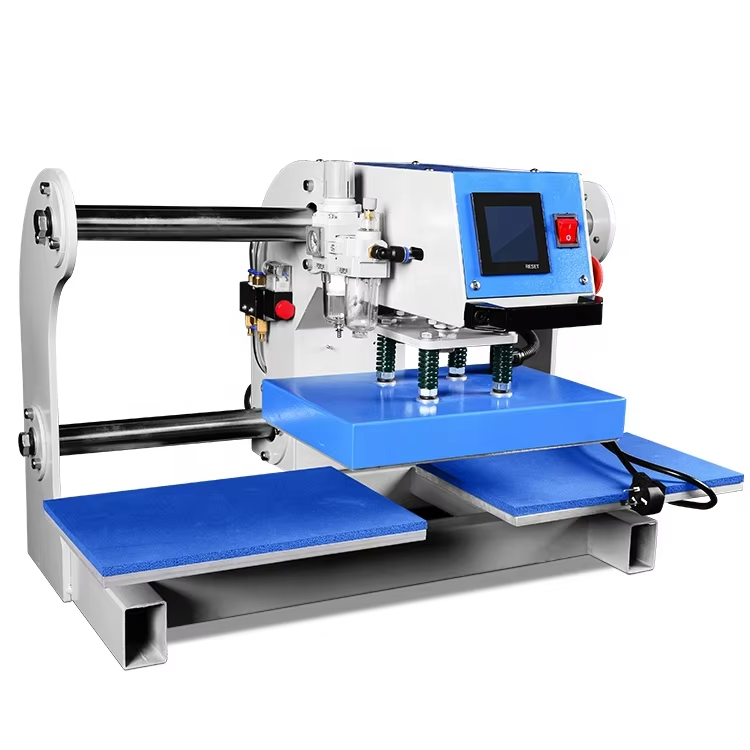
Garantir la futura viabilitat de la vostra inversió en una plataforma giratòria per a premses tèrmiques
Anàlisi de l’escalabilitat: La vostra plataforma giratòria actual per a premses tèrmiques pot créixer juntament amb la demanda, o us quedareu curts?
Escalar les operacions no consisteix realment a escollir la màquina més gran disponible, sinó a trobar una solució que creixi al ritme de les necessitats de l’empresa. Quan s’avaluen opcions de carousels modulars, afegir estacions posteriorment redueix efectivament els costos futurs en un 40 % aproximadament respecte als models d’instal·lació fixa. Les botigues que preveuen arribar a processar 2.500 articles per mes al cap de tres anys haurien de considerar, des del principi, plataformes de sis o vuit estacions, ja que aquestes ja incorporen espai per a la seva futura ampliació. Les versions semiautomàtiques amb capacitats de programació solen gestionar diferents materials molt millor que les versions mecàniques tradicionals, tant si es tracta de mescles de polièster com de teixits amb variacions de textura. Cal tenir en compte, però, que, segons dades sectorials recents, gairebé dos terços d’empreses que van optar per especificacions insuficients acaben substituint els seus sistemes de carousels en només 18 mesos. Per altra banda, excedir-se massa en la mida del sistema només bloqueja capital en capacitat no utilitzada, cosa que retarda el retorn de la inversió sense aportar cap benefici real.
Cost total de propietat: Per què un carusel de 4 estacions pot costar més per unitat que un model de 6 o 8 estacions
Un nombre major d’estacions redueix el cost per unitat, no només gràcies a les economies d’escala, sinó també mitjançant una explotació operativa constant. Tot i que els models de 4 estacions tenen etiquetes de preu inicials més baixes, els seus temps de cicle més llargs i la seva major dependència de la mà d’obra erosionen els marges a escala:
| Factor de cost | carusel de 4 estacions | carusel de 6/8 estacions |
|---|---|---|
| Minuts de mà d’obra per unitat | 2,1 min | 1,4 min |
| Cost energètic per 100 unitats | $3.80 | $2.90 |
| Manteniment % de l’ETP | 15% | 9% |
El 22 % addicional en els temps de cicle significa que es desemborsen diners reals en costos de mà d'obra. Els tallers que produeixen més d'una mil unitats cada setmana descobreixen que passar a configuracions de sis estacions redueix realment el cost total per impressió aproximadament un 31 %. En quan a l'automatització, els estalvis són encara millors. Els sistemes equipats amb tecnologia IoT poden reduir gairebé a la meitat les parades imprevistes gràcies a les alertes intel·ligents de manteniment que apareixen abans que es produeixin problemes. I no oblideu comprovar també els valors del punt de ruptura. La majoria d'empreses constaten que les màquines d'vuit estacions amortitzen el seu preu més elevat prou ràpidament, normalment al voltant dels catorze mesos, si gestionen com a mínim dues mil cinc-centes unitats cada mes. Simplement té sentit quan es mira la imatge global.
El contingut
- Avaluació del volum de producció i de les necessitats de flux de treball per a la vostra premsa tèrmica en carrousel
- Avaluació de les restriccions físiques i operatives per al vostre sistema de premses tèrmiques en rotació
- Garantir la futura viabilitat de la vostra inversió en una plataforma giratòria per a premses tèrmiques

