 EN
EN
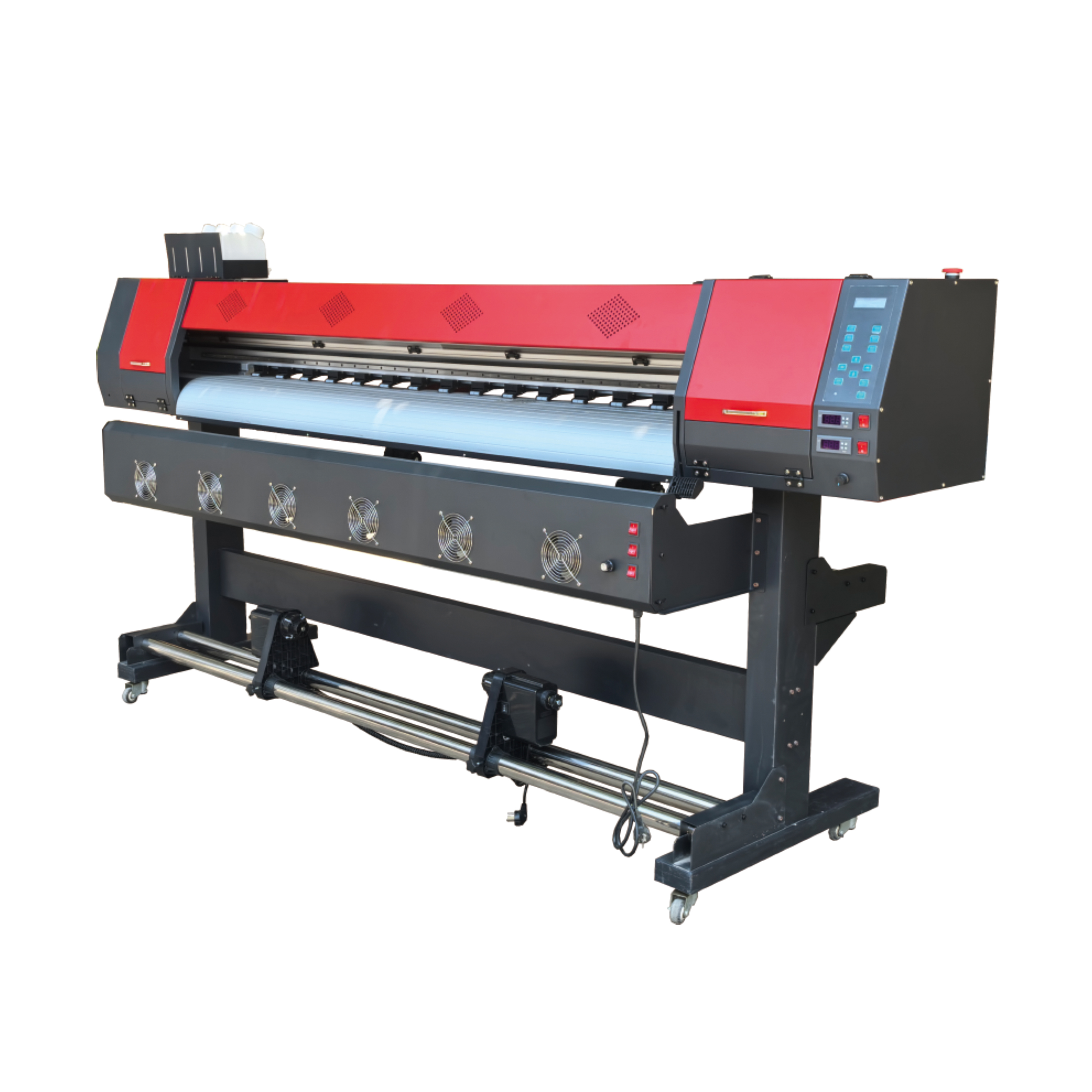
Hoe rol-na-rol sublimasiedrukkers deurlopende, hoëspoedproduksie moontlik maak
Die kernmeganisme: naadlose materiaalvoer, onmiddellike ink-oordrag en droogmaking terwyl dit beweeg
Rol-oor-rol sublimasie-drukmasjiene werk met 'n deurlopende stelsel waarin stofrolle voortdurend beweeg in plaas van om te stop en te begin soos platbedmasjiene of snit-stofopstellings doen. Die materiaal gly deur noukeurig uitgeligte rolle teen baie indrukwekkende spoed, soms selfs meer as 20 meter per minuut reguit. Wat die drukwerk betref, word spesiale sublimasie-inkt direk oorgedra na stowwe met 'n hoë poliesterinhoud. Hierdie inkt bind met die vesels wanneer dit aan spesifieke temperature en druk vanaf die verhitte drukkoppe blootgestel word. Om daardie helder kleure vas te lê, word daar óf infrarooi-verhittingselemente óf gedwonge-lugstelsels gebruik wat alles amper onmiddellik droogmaak, wat enige kleurverspreiding tydens produksiedoeleindes voorkom. Van begin tot einde vind die hele operasie in een enkele deurgang sonder onderbrekings plaas. Vervaardigers rapporteer dat hulle volgens navorsing wat verlede jaar in die Textile Efficiency Journal gepubliseer is, ongeveer drie keer beter uitsettempo behaal as ouer metodes wat vereis het dat stof eers volgens patrone gesny word.
Uitskakeling van Manuele Hanteering: Van Laai tot Wind—Vermindering van Arbeidsintensiewe Bottelnekke
Die ou-skoolbenadering tot sublimasiedrukwerk hang steeds sterk af op manuele uitlyning, die een-teen-een-oordrag van velde, gevolg deur stapeling na drukwerk—wat onvermydelik lei tot inkonsekwentheid en tydverspilling. Moderne rol-tot-rolstelsels verander al hierdie deur die hele proses van begin tot einde outomaties te maak. Laai net een keer ‘n volle rol materiaal in, en laat die stelsel die res behartig deur middel van slim spanningbeheer, lasergelei posisionering en ingeboude sensore wat elke stap langs die pad monitor. Vir besighede wat medium-skaalbedrywighede voer, verminder dit die handsgewerk met ongeveer drie kwart in vergelyking met tradisionele metodes. Die hoofareas waar ons werklike voordele sien, sluit vinniger draai-omtye, minder foute tydens produksie-uitvoering en beduidend laer arbeidskoste oor die langtermyn in.
- Laai/aflaai : Outomatiese spanningbeheer bestuur rolwisselings naadloos
- Uitlijning lasergeleide volgsekuriteit verseker posisioneringsakkuraatheid op mikronvlak
- Kwaliteitswaarborg real-time sensore bespeur defekte tydens die drukproses
- Materiaalhantering eenvormige winding berei rolle direk vir afsluitende snyding aan
Die gevolg is verminderde fisiese spanning, minder hanteringsfoute en hoër bedryfsbetroubaarheid—wat bydra tot die 42% toename in bedryfsbereidheid wat deur vroeë aanvaarders gerapporteer is (Apparel Production Review 2024).
Meetbare verbeteringe in produktiwiteit: Deurset, bedryfsbereidheid en konsekwentheid van uitset
Rol-teen-rol teenoor platbed- en gesnyde-stofmetodes: Spoed, opbrengs en bedryfsdoeltreffendheid
Die rol-na-rol-sublimasie-metode oortref tradisionele platbed- en gesnyde-stof-benaderings omdat dit nie vereis dat die proses tussen partys tussentyds gestop word nie. Die stelsel beweeg voortdurend teen snelhede van meer as 20 meter per minuut, wat werklik drie keer vinniger is as wat die meeste platbedmasjiene kan hanteer. Kleurkwaliteit bly ook redelik dieselfde gedurende volledige lopies van ongeveer 500 meter. Tradisionele metodes vereis dat werkers voortdurend panele herlaai of elke item afsonderlik hanteer, maar rol-gevoerde stelsels kombineer al die stappe — materiaalvoer, druk op die materiaal en vasstelling van die kleure — tydens een enkele deurgang deur die masjien. Hierdie opstelling bied praktiese voordele wat besighede kan meet en monitor:
- Spoed : Taakvoltooiingstye verminder met 40–55%
- Vloei : Byna-nul materiaalverspilling teenoor 15–20% afsnyverlies in gesnyde-stof-werkvloeie
- Hulpbron Optimalisering : Een bediener kan gelyktydig verskeie drukkers toesig hou
Outomatiserde spanningbeheer en lyn-in-lyn vasstelling voorkom verdere mislyning en kleurverskuiwings wat algemeen is by stop-start prosesse—wat volgehoue 90%+ masjienbeskikbaarheid ondersteun, 'n verbetering van 30 punte bo platbed-alternatiewe.
Werklike impak: 'n 42%-toename in beskikbaarheid en 'n 3,2× verhoging in daaglikse uitset vir middelgrootte aktieweerproduksie
ʼN Middelgrootte aktieweervervaardiger het transformasie-uitkomste binne ses maande na die aanvaarding van rol-na-rol-sublimasie bereik:
- 42% hoër beskikbaarheid , wat styg van 58% na 82% deur verminderde onbeplande stoppe
- 3,2× verhoogde daaglikse uitset , wat styg van 380 na 1 216 eenhede
- 18% vermindering in arbeidskoste , aangedryf deur outomatiese rolhantering
Die verbeteringe het plaasgevind toe hulle daardie drie ure per dag wat manueel aan die belading van panele en die verskuif daarvan tussen stasies spandeer is, vervang het met een vloeiende, outomatiese stelsel wat amper geen menslike ingryping vereis nie. Werknemers het die hele agt-uur-skuiwe lank produktief gebly sonder die gewone afname in gehalte teen die einde van die dag. Die aantal uitgesorteerde items het ook dramaties gedaal, van ongeveer 5,2 persent na net 1,7 persent, hoofsaaklik omdat mense nie meer foute tydens hantering gemaak het nie. Nou kan die aanleg spoedopdragte vir meer as 5 000 items binne net twee dae behandel — iets wat onmoontlik sou gewees het toe hulle nog die materiaal op die ou manier gesny het.
Materiaaloptimalisering en afvalvermindering met rol-na-rol-sublimasiedruk
Roll-naar-roll-sublimasie maksimeer materiaaldoeltreffendheid deur presiese, aanhoudende hantering van rolstowwe met poliesterblending. Deur kleurstowwe direk in sintetiese vesels te bind—nie net die oppervlak te bedek nie—lewer dit duursame, buigsame drukwerk sonder om prestasie of wasvasheid te kompromitteer.
Verdraagsaamheid van rolstowwe met poliesterblending en behoud van drukkwaliteit oor lang produksierye
Die beste resultate word behaal wanneer daar met stowwe gewerk word wat 'n hoë poliesterinhoud het, ideaal gesproke ongeveer 85% of meer. Hierdie materiale neem sublimasieverf baie gelykmatig op wanneer dit aan die regte temperatuur- en drukomstandighede blootgestel word. Wat dit beteken, is dat kleure ook vir langer periodes helder bly en hul gehalte behou deur tientalle wasbeurte sonder veel verbleiking. Daarbenewens bly die stof se aangename sagte voel en sy buigsaamheidseienskappe onaangetas gedurende die hele proses. Om die spanning tydens produksie presies reg te kry, voorkom dat dinge gly of vervorm selfs wanneer dit teen hoë spoed bedryf word. Hierdie aandag vir besonderhede verseker dat patrone korrek uitlyn oor daardie lang rolle stof wat tot honderde meter kan strek.
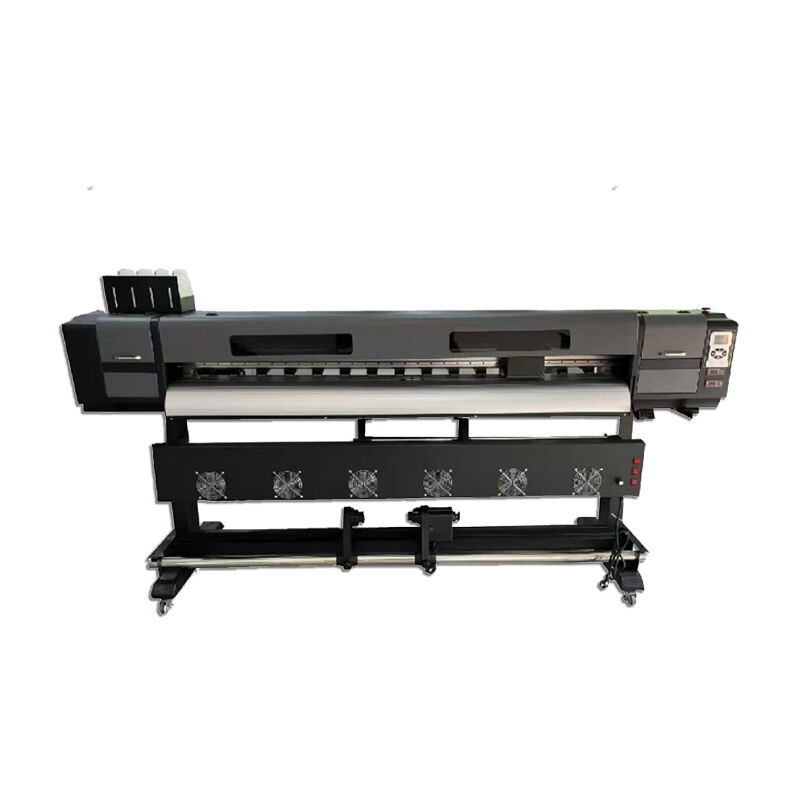
Byna-nul afsnyafval en verminderde afkeuringskoerse in vergelyking met stuk-verf- of gesnyde-stofwerkvelle
Rol-gevoerde sisteme verminder afval drasties in vergelyking met gesnyde-stof- of stuk-verfbenaderings:
| Afvalmetriek | Rol-na-rol-sublimasie | Gesnyde-stofwerkvelle |
|---|---|---|
| Randafsnyverlies | <2% | 8–12% |
| Drukverskuiwing | 0,3% afkeuringskoers | 4,7% afkeuringskoers |
| Inkverbruik | 18 ml/m² | 35 ml/m² |
Geïntegreerde droëproses voorkom vlekke—die hoofoorSAK van defekte in stukkleurwerkvelle—wat die afval met 89% verminder (Digitale Textielbenodigdhede). Byna volledige materiaalbenutting vertaal direk na 'n laer koste-per-meter en nouer marges.
Strategiese Werkvloei-integrasie: Skalering van digitale klereproduksie met rol-na-rol sublimasiedrukmasjiene
Wanneer maatskappye rol-oor-rol sublimasiedruk-tegnologie inbring, verander hulle basies tradisionele partij-kledingvervaardiging na iets wat baie meer aanhoudend en digitale-gedrewe is. Die hele proses werk vandag soos towenaarswerk – materiaal word outomaties deurgevoer, gedruk, hittegevestig en dan weer opgerol terwyl dit nou saamwerk met die volgende stap in die ry vir sny, naai en samestelling. Daar is geen van daardie ou probleme met die vervanging van skerms of die handmatige verskuif van panele tussen stasies nie. Wat in plaas daarvan gebeur, is baie opmerklik. Al hierdie stappe vloei na mekaar sonder onderbrekings, wat die vervelig stop-gapte verminder wat voorheen so baie tyd opgeëis het. En die beste deel? Tekstielingenieurs het hierdie tegnologie nou noukeurig ondersoek en bevind dat fabrieke werklik hul uitset met 60 tot 80 persent kan verhoog net deur dieselfde hoeveelheid vervaardigingsruimte te gebruik.
Met egtydse moniteringstelsels kan operateurs dinge soos kleurkalibrasie, spanninginstellings en inkdigtheid aanpas terwyl die masjien werk. Hierdie tipe voortdurende terugvoerstelsel verminder materiaalverspilling tydens produksieveranderinge met ongeveer 35 persent in vergelyking met tradisionele metodes. Merke wat uitbrei, vind dit veral nuttig omdat hulle skielike toenames in bestellings kan hanteer selfs met kleiner spanne beskikbaar. Die proses handhaaf steeds goeie drukkwaliteit en behou konsekwente draai-omtye ten spyte van hierdie swankings in markvraag.
Tabel van inhoud
- Hoe rol-na-rol sublimasiedrukkers deurlopende, hoëspoedproduksie moontlik maak
- Meetbare verbeteringe in produktiwiteit: Deurset, bedryfsbereidheid en konsekwentheid van uitset
- Materiaaloptimalisering en afvalvermindering met rol-na-rol-sublimasiedruk
- Strategiese Werkvloei-integrasie: Skalering van digitale klereproduksie met rol-na-rol sublimasiedrukmasjiene

