
 EN
EN
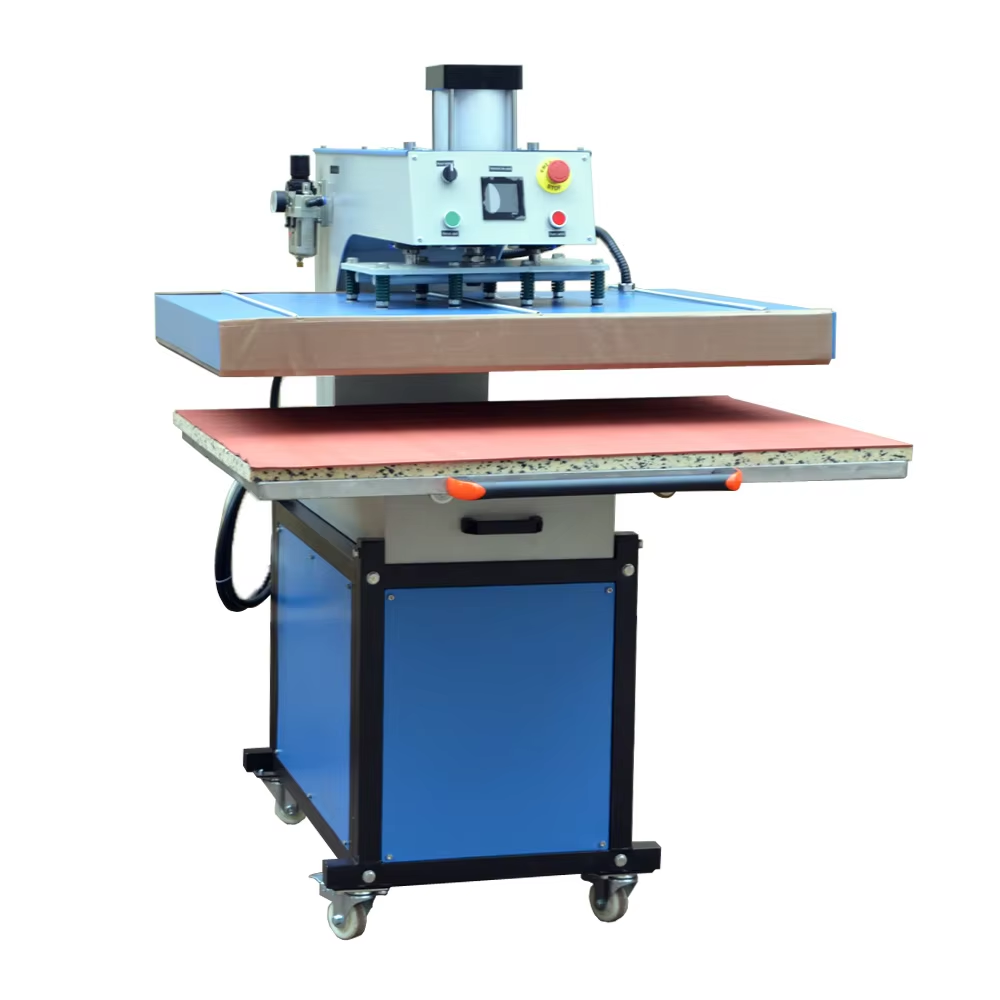
Шта је то топлотна преса и зашто је неопходна за производњу високог мешавина
Карузел топлотне штампе револуционизује производне спрате омогућавајући истовремено обраду преко више независних станица, елиминишући секвенцијалне вузла прса са једном плочицом. Овај ротациони систем омогућава оператерима да истовремено учиставају, притискају, хладе и испустију предмете, претварајући линеарне радне токове у паралелне силове. За објекте који обрађују различите наруџбекао што су 50-деловини прилагођених хаушира, а затим 200 керамичких шољаархитектура смањује време за промену за 4060%, према индустријским референтним мерилима. Свака станица одржава прецизну калибрацију температуре и притиска, осигуравајући доследне резултате било да се штампа на памуку, полиестер или на круте супстрате као што је дрво. Одвојивањем ручног управљања од цикла за грејање, један оператор може управљати производњом еквивалентном три конвенционалне штампепојам који су потврдили опремни објекти који пријављују повећање прометности од 65%. У окружењима са великим мешавином где варијабилност производа задушава традиционалне системе, прилагодљивост топлотне преске не може бити опционална; то је кичма скалибилне производње која избегава отпад.
Како аутоматизација карусела за топлотну штампу елиминише узастопне вузле
Традиционални радни топови прелазања топлоте приморају секвенцијалну производњу: оптерећење → притисак → хлађење → исплаћивање → понављање. Овај линеарни процес ствара неизбежно време простора између циклуса, ограничавајући проток. Аутоматизација карусела за топлотну штампу елиминише то ограничење омогућавајући паралелну обраду преко више станица истовремено - један оператер може да учисти следећу супстрату док други лече, ефикасно бришући време неактивности.
Паралелна обрада: истовремено зачињивање преко више станица
Карузел са 6 станица распоређује посвећене плоче за истовремено учитавање, грејање и хлађење. Док станица 1 притиска на 320 ° F, станица 3 хлади готови производ, а станица 5 презапремира следећу ставку. Ова оркестрација осигурава континуиран радни ток, повећавајући производњу за 200% од 40 до преко 120 комада/часу поређењу са операцијама са једном штампом. Главне предности укључују:
- Нула контаминације преко станица : Изолиране зоне за грејање/хлађење спречавају проблеме са преносом лепила
- Динамичка калибрација притиска : аутоматски прилагођава притисак оси З за хаудије против керамичких плочица
- Енергетска ефикасност : 30% мање потрошње енергије кроз циљано грејање
Утјецај у стварном свету: 65% повећање производње у 3 смењске ДТФ опреме
Произвођачи директних филмова (ДТФ) суочавају се са хроничним вузлима у ручним станицама за штампање. Анализа индустрије потврђује да системе карусела бришу ово ограничење:
- Смањење радног снага : Један оператер управља производњом која је раније захтевала три особља, смањујући трошкове радног труда за 60%
- Косзистенција : Автоматизовани тајмери елиминишу људску грешку у времену боравка, обезбеђујући 99,2% униформисаност прилепљења преноса
- Убрзање РОИ : Постројења постижу исплату за ≤8 месеци путем 65% веће дневне производње (740 јединица/смена)
Истраживања случаја у индустрији потврђују да операције 24/7 одржавају 23% веће профитне маржине упркос нестабилном обему наручења.
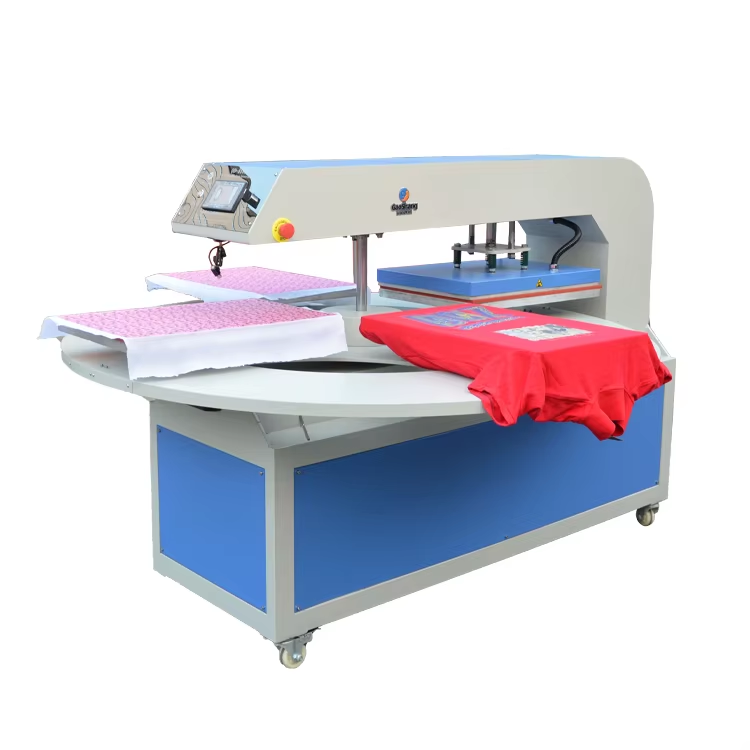
Трплински прес Карузел прилагодљивост преко материјала и производа
Безшив прелазници: мајице, хаудије и круте супстрате (нпр. Метал, дрво, керамика)
Карузел за топлотну штампу одликује се у производњи високог мешавина елиминисањем специфичних вузлијих угласа за материјал. Модуларни дизајн омогућава тренутно пребацивање између памучних мајица, полиестерских хаутије и крутих предмета као што су керамичке шоље или дрвене плоче без времена за рекалибрирање. Заменљиве плоче одржавају прецизне профиле притиска за сваки субстрат: меке тканине захтевају мању снагу како би се избегло оштећење влакана, док метали захтевају већи притисак за интегритет адхезије. Ова прилагодљивост омогућава оператерима да у реду постављају различите производе узастопно, као што је прелазак од рукава одеће на промотивне металне панеле за мање од 60 секунди. Производња објекти који користе ову технологију пријављују 40% мање грешке у промену у поређењу са системима са једном плочицом, као што је потврђено ревизијама радног тока у прилагођеним производним окружењима.
Прецизна конзистенција: адаптивна калибрација плоча и мапирање притиска на Z-оси
Напређени карусели за топлотну штампу обезбеђују јединствен квалитет свих материјала прилагођавањем притиска у реалном времену. Сензори мапирају варијације дебљине субстратанпр. петљице за капуце од тери тканине у поређењу са плоским металним листовимаи аутоматски калибришу компресију оси Z са тачношћу од ± 0,2 мм. То спречава уобичајене дефекте као што су духови на текстилу или непуни трансфери на закривљеним површинама. Пневматични системи динамички расподељују снагу преко површине плочакритичан при штампању на неравномерним материјалима као што су везана капа или зрнасто дрво. Механизам повратне информације у затвореном циклусу континуирано прилагођава температуру и притисак током циклуса затврђивања, одржавајући оптималне услове преноса без обзира да ли се обрађују деликатне полиестерске мешавине или топлотно отпорни композити. Такава прецизност смањује стопе прераде за до 30%, према референтним мерилима текстилног инжењерства.
Оптимизација рада и РОИ: мерење стварне штедње трошкова са карузелом топлотне штампе
Увеђење карусела за топлотну штампу револуционизује ефикасност рада у производњи великих количина. Један оператор може управљати до осам станица истовременои елиминишући потребу за вишеструким особљем који је потребан за пресе са једном станицом. На пример, објекат средњег обима који обрађује 2.000 јединица недељно може заменити четири појединачне пресе (производе 120 комада/час са три оператера) са два карузела са шест станица (240 комада/час са два оператера). Ова конфигурација даје:
- Оштећење радног труда : 37.440 долара годишње (на основу зараде од 18 долара на сат)
- Смањење енергије : $4,000/година од конзистентног одржавања температуре
- Минимизација отпада : Стопа дефекта пада са 3% на 0,8%, штедећи 6.000 долара у материјалима
Укупна годишња уштеда од ~ $ 47,440 даје РОИ у року од 1824 месеца. Аутоматизација такође повећава проводне капацитете без проширења радне снаге, омогућавајући скалибилан раст у постојећој површини.
Sadržaj
- Шта је то топлотна преса и зашто је неопходна за производњу високог мешавина
- Како аутоматизација карусела за топлотну штампу елиминише узастопне вузле
- Трплински прес Карузел прилагодљивост преко материјала и производа
- Оптимизација рада и РОИ: мерење стварне штедње трошкова са карузелом топлотне штампе

