
 EN
EN
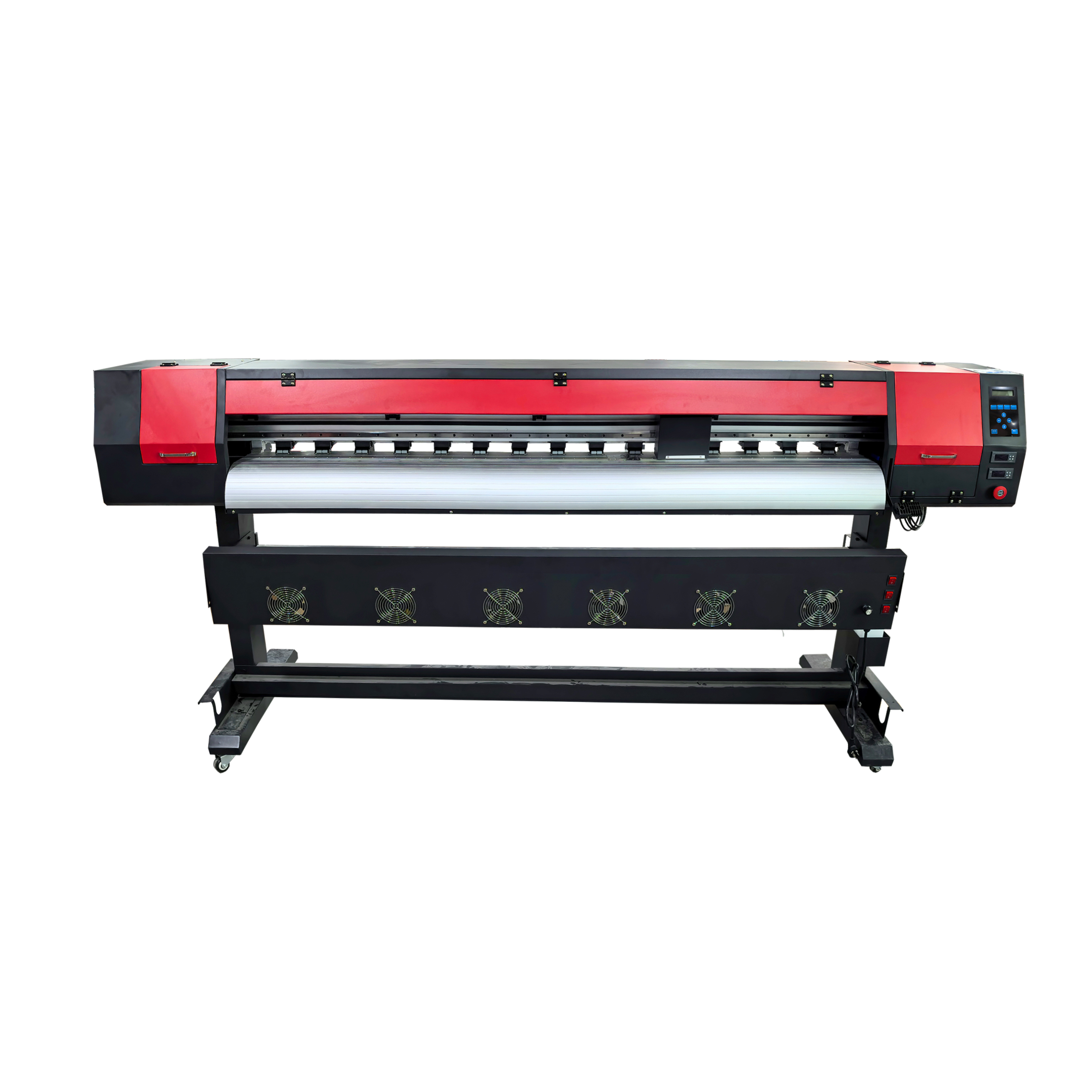
रोल-टू-रोल सबलिमेशन प्रिंटर कैसे वस्त्र उत्पादन दक्षता को बढ़ाते हैं
निरंतर प्रसंस्करण: बैच हैंडऑफ को समाप्त करना और अवरोध को 40% तक कम करना
रोल-टू-रोल सबलिमेशन प्रिंटर्स उन थकाऊ मैनुअल बैच ट्रांसफर्स को समाप्त कर देते हैं, क्योंकि वे कपड़े को शुरुआत से अंत तक निरंतर संभालते हैं—मूल रूप से इसे खोलते हैं और मुद्रण के बाद पुनः लपेट लेते हैं। इसका अर्थ यह है कि लगातार रुकने और शुरू होने की आवश्यकता नहीं होती, जिससे कुल मिलाकर संरेखण संबंधी समस्याएँ कम हो जाती हैं। इसके अतिरिक्त, ये मशीनें शीट-फेड प्रणालियों के सापेक्ष लगभग 40 प्रतिशत कम समय निष्क्रिय अवस्था में व्यतीत करती हैं। ये प्रिंटर्स संरेखण को सुनिश्चित करने के लिए सिंक्रोनाइज़्ड सर्वो-ड्राइवन रोलर्स और क्लोज़्ड-लूप टेंशन नियंत्रण पर निर्भर करते हैं, भले ही गति 8 मीटर प्रति मिनट से अधिक हो। यह व्यवस्था संचालन के दौरान कपड़े के फिसलने या खिंचने जैसी समस्याओं को रोकती है, जिससे पूरे उत्पादन चक्र के दौरान मुद्रण की गुणवत्ता स्थिर बनी रहती है और गुणवत्ता में कोई गिरावट नहीं आती।
वास्तविक समय उत्पादन निगरानी के लिए ईआरपी और एमईएस प्रणालियों के साथ बिना रुकावट एकीकरण
रोल-टू-रोल सब्लिमेशन प्रिंटर्स के शीर्ष निर्माताओं ने अब ऐसे API कनेक्शन शामिल कर लिए हैं जो ERP सिस्टम्स और MES प्लेटफॉर्म्स दोनों के साथ बिना किसी अवरोध के काम करते हैं। इससे कारखाने के प्रबंधक वास्तविक समय में स्याही के स्तर, सामग्री की खपत और समग्र उपकरण प्रदर्शन जैसी चीजों की निगरानी कर सकते हैं। उत्पादन डैशबोर्ड्स ऑपरेटर्स को यह स्पष्ट अंतर्दृष्टि प्रदान करते हैं कि मशीनें कितनी कुशलता से चल रही हैं और उत्पादों के कितने प्रतिशत में दोष पाए गए हैं। जब कुछ भी गलत दिशा में जाता दिखाई देता है, तो तकनीशियन तापमान नियंत्रण के लिए सेटिंग्स को त्वरित रूप से समायोजित कर सकते हैं या सामग्री को प्रणाली के माध्यम से कितनी तेज़ी से ले जाया जाना चाहिए, इसे समायोजित कर सकते हैं। कई वस्त्र निर्माण रिपोर्ट्स के अनुसंधान से पता चलता है कि ये एकीकृत प्रणालियाँ उत्पादन डेटा को रिकॉर्ड करते समय मानवीय त्रुटियों को लगभग 30% तक कम कर देती हैं। हालाँकि, जो वास्तव में मूल्यवान है, वह है प्रिंट हेड्स या हीटर घटकों में संभावित समस्याओं के बारे में पूर्वचेतावनी भेजने वाला बंद लूप प्रतिक्रिया तंत्र। ये अलर्ट अप्रत्याशित विफलताओं को रोकने में सहायता करते हैं, विशेष रूप से जब महत्वपूर्ण ग्राहक आदेशों के लिए कड़ी समय सीमा निर्धारित होती है।
रोल-टू-रोल सब्लिमेशन से उत्कृष्ट मुद्रण गुणवत्ता और कपड़े का प्रदर्शन
डाई-सब्लिमेशन रसायन विज्ञान: अद्वितीय रंग स्थायित्व और धोने के प्रति प्रतिरोध के लिए रंगों का रेशों में प्रवेश क्यों होता है
रोल-टू-रोल सब्लिमेशन सटीक तापीय ऊर्जा (190–210°C) का उपयोग करता है जो ठोस डाई के कणों को सीधे गैस में परिवर्तित कर देती है, जो पॉलिएस्टर फाइबर्स में आणविक स्तर पर प्रवेश कर जाती है और फिर पुनः ठोस अवस्था में आ जाती है। यह अंतर्संचार स्थायी बंधन उत्पन्न करता है—सतही लेप नहीं—जिसके परिणामस्वरूप होता है:
- अतुलनीय रंग धारण क्षमता : 50+ औद्योगिक धुलाई के बाद भी <3% फीकापन (AATCC टेस्ट मेथड 61-2023)
- फटना या छिलना नहीं : कोई परतदार स्याही की फिल्म नहीं जो विघटित हो सके
- बनावट संरक्षण : कपड़े की झुकाव क्षमता, श्वसन क्षमता और स्पर्श संवेदना अप्रभावित रहती है क्योंकि रंजक फाइबर का ही अंग बन जाते हैं
यह प्रक्रिया सिंथेटिक्स पर उत्कृष्ट प्रदर्शन करती है, जहाँ खुली पॉलिमर संरचनाएँ फोटोग्राफिक सटीकता के लिए गहरे और समान रूप से डाई प्रवेश को सक्षम बनाती हैं।
रिज़ॉल्यूशन और स्थिरता: 8–12 मीटर/मिनट की उत्पादन दर के दौरान बैंडिंग या ब्लीड के बिना 1440 डीपीआई को बनाए रखना
आधुनिक रोल-टू-रोल सब्लिमेशन प्रिंटर तीन मुख्य नवाचारों के माध्यम से उत्पादन की गति पर प्रयोगशाला-स्तरीय सटीकता प्रदान करते हैं:
| प्रौद्योगिकी | कार्य |
|---|---|
| चर-आकार की स्याही की बूँदें | बैंडिंग को समाप्त करने के लिए डॉट स्थान अनुकूलित करें |
| उच्च-आवृत्ति प्रिंटहेड | 12 मीटर/मिनट की गति पर 1440 डीपीआई रिज़ॉल्यूशन बनाए रखें |
| चलते समय रंग कैलिब्रेशन | चलते-चलते सब्सट्रेट के भिन्नताओं की भरपाई करें |
जल-विरोधी स्याही सूत्रीकरण और त्वरित शुष्कन फैलाव को रोकते हैं, जिससे सूक्ष्म विवरणों पर तीव्र किनारों को बनाए रखा जा सकता है। परिणामस्वरूप 10,000+ मीटर के रोल्स पर सुसंगत आउटपुट प्राप्त होता है, जिसमें <0.5% दोष दर होती है—यह शामिल करना आवश्यक है लक्ज़री टेक्सटाइल्स और तकनीकी कपड़ों के लिए, जिनमें सटीक रंग मिलान की आवश्यकता होती है।
उच्च-मांग वाले टेक्सटाइल खंडों में रोल-टू-रोल सब्लिमेशन प्रिंटर की विविधता
रोल-टू-रोल सब्लिमेशन प्रिंटर उत्पाद श्रेणियों के बीच त्वरित परिवर्तन को सक्षम बनाते हैं, बिना पुनः कैलिब्रेशन के—जिससे संपत्ति के उपयोग को अधिकतम किया जा सकता है और तीव्र गति से बदलने वाले बाज़ारों में प्रतिक्रियाशीलता बढ़ाई जा सकती है।
फैशन अनुप्रयोग: पॉलिएस्टर निट्स और वूवेंस पर त्वरित पैटर्न पुनरावृत्ति और छोटे बैच की अनुकूलन क्षमता
फैशन ब्रांड इन प्रिंटर्स का उपयोग पॉलिएस्टर निट्स और वूवेंस पर तात्कालिक पैटर्न स्वैप और कस्टम डिज़ाइन के माइक्रो-रन को निष्पादित करने के लिए करते हैं। अणु-स्तरीय रंग अवशोषण चमकदार, टिकाऊ प्रिंट प्रदान करता है जो 50+ औद्योगिक धुलाई के बाद भी फीका नहीं पड़ता। प्रमुख लाभों में शामिल हैं:
- मौसमी संग्रह के लिए 24 घंटे का टर्नअराउंड समय
- सीमित संस्करण के टुकड़ों का ऑन-डिमांड उत्पादन
- दोहराए जा सकने वाली रंग सटीकता के साथ शून्य-न्यूनतम बैच आकार
डिज़ाइनरों ने रोटरी प्रिंटिंग की तुलना में 70% तेज़ सैंपलिंग चक्र की रिपोर्ट की है—जिससे ट्रेंड के प्रति प्रतिक्रिया तेज़ हो गई है और मृत स्टॉक कम हुआ है।
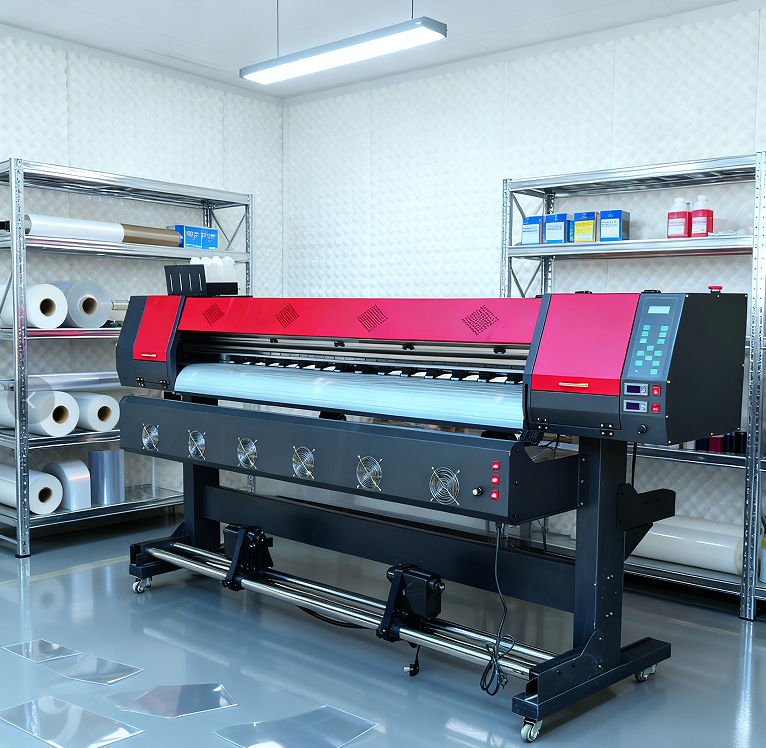
होम डेकोर और प्रोमोशनल सामान: गुणवत्ता के किसी भी समझौते के बिना झंडे, टेबलक्लॉथ और बैनर के उत्पादन का स्केलिंग
घटना के बैनर, रेस्तरां लिनन और प्रोमोशनल कपड़ों जैसे उच्च-मात्रा अनुप्रयोगों के लिए, रोल-टू-रोल प्रणालियाँ 10 मीटर/मिनट की गति पर 1200+ डीपीआई रिज़ॉल्यूशन बनाए रखती हैं—जिससे अतिरिक्त बड़े आकार के वस्तुओं पर किनारे से किनारे तक की सटीकता सुनिश्चित होती है। प्रमुख आपूर्तिकर्ताओं ने निम्नलिखित प्राप्त किया है:
| अनुप्रयोग | उत्पादन में वृद्धि | अपशिष्ट कम करना |
|---|---|---|
| घटना के बैनर | 200% | 45% (कपड़ा) |
| रेस्तरां के लिनन | 150% | 30% (स्याही) |
| प्रचारात्मक कपड़े | 180% | 40% (ऊर्जा) |
यूवी-प्रतिरोधी स्याही 3+ वर्षों तक बाहरी उपयोग के लिए रंगीन अखंडता को बनाए रखती है, जिससे पैमाने और विस्तार के बीच पारंपरिक समझौता समाप्त हो जाता है—यहां तक कि 100 मीटर के रोल्स पर भी।
कुल स्वामित्व लागत: क्यों रोल-टू-रोल सब्लिमेशन अपशिष्ट को कम करता है और आरओआई को बढ़ाता है
रोल-टू-रोल सबलिमेशन प्रिंटर को देखना केवल मूल्य टैग पर लिखी राशि के बारे में नहीं है, बल्कि समय के साथ कुल स्वामित्व लागत (टीसीओ) के बारे में है। निरंतर प्रसंस्करण विधि द्वारा सामग्री का अपव्यय लगभग 15 से 20 प्रतिशत तक कम कर दिया जाता है, क्योंकि यह स्याही को अत्यधिक सटीक रूप से जमा करती है और सेटअप के दौरान लगभग कोई भी अपशिष्ट उत्पादन नहीं करती है। इसका अर्थ है कि खपत की जाने वाली वस्तुओं पर कम खर्च करना और कुल मिलाकर उत्पादन चक्रों को तेज़ करना। उद्योग के आंकड़ों के अनुसार, अधिकांश कंपनियाँ खरीद के बाद 12 से 18 महीनों के भीतर अपने निवेश पर रिटर्न देखती हैं। यह किन कारकों से संचालित होता है? तीन प्रमुख कारक यहाँ उभर कर सामने आते हैं: पोनेमॉन संस्थान की 2023 की रिपोर्ट के अनुसार, लगभग 740 हज़ार डॉलर प्रति वर्ष की बचत करने वाला काफी कम डाउनटाइम; कम ऊर्जा का उपयोग करने वाली शुष्कन प्रक्रियाएँ; और उत्पादन चक्र के दौरान लगातार उच्च गुणवत्ता बने रहने के कारण वस्त्रों का लगभग कोई भी अस्वीकृत होना। जो वस्त्र निर्माता टीसीओ पर ध्यान केंद्रित करते हैं बजाय कि प्रारंभिक मूल्यों पर, वे उन चीज़ों से बच जाते हैं जो कागज पर अच्छी लगती हैं, लेकिन बाद में उपकरण रखरखाव, त्रुटियों को ठीक करने और अपशिष्ट उत्पादों के साथ निपटने से संबंधित छिपी हुई लागतों को ध्यान में रखने पर महंगी परेशानियों में बदल जाती हैं।
विषय-सूची
- रोल-टू-रोल सबलिमेशन प्रिंटर कैसे वस्त्र उत्पादन दक्षता को बढ़ाते हैं
- रोल-टू-रोल सब्लिमेशन से उत्कृष्ट मुद्रण गुणवत्ता और कपड़े का प्रदर्शन
- उच्च-मांग वाले टेक्सटाइल खंडों में रोल-टू-रोल सब्लिमेशन प्रिंटर की विविधता
- कुल स्वामित्व लागत: क्यों रोल-टू-रोल सब्लिमेशन अपशिष्ट को कम करता है और आरओआई को बढ़ाता है

