
 EN
EN
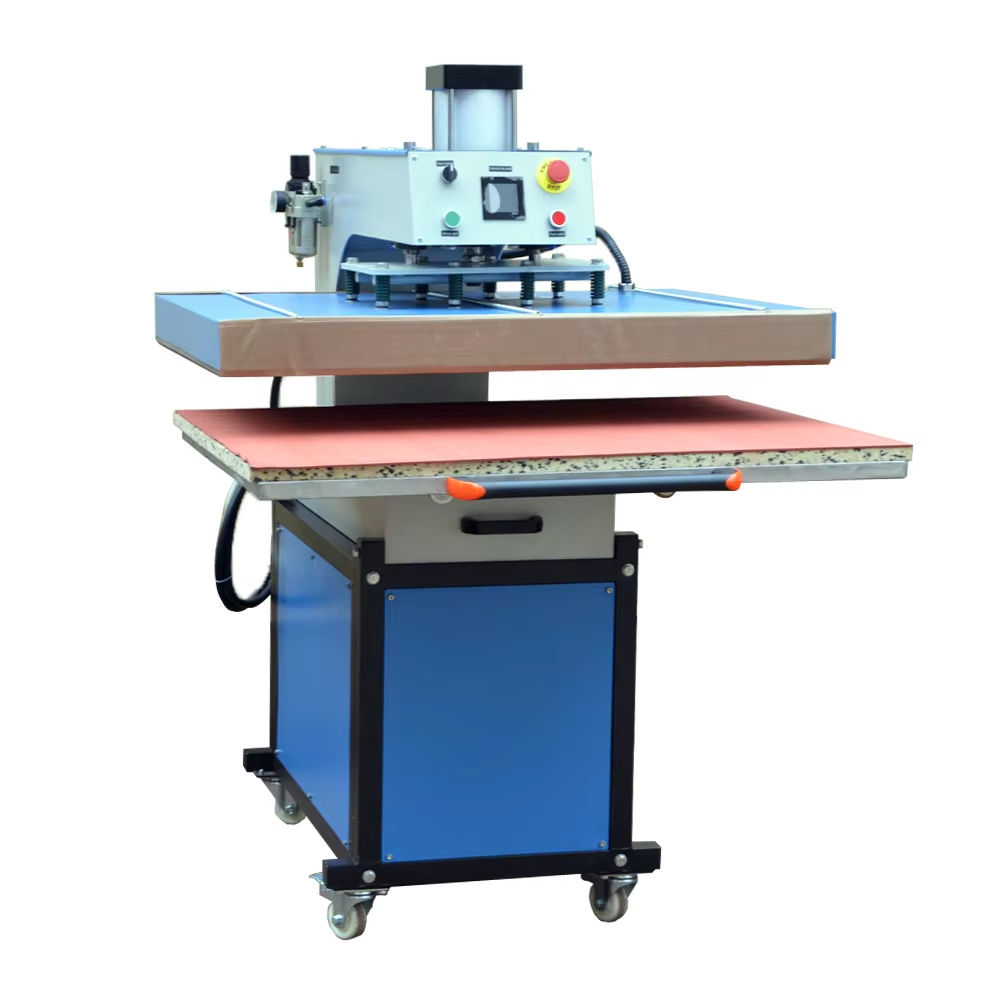
مقیاسپذیری بینظیر: چگونه دستگاه پرس حرارتی ۸۰×۱۰۰ بین خروجی و کارایی تعادل ایجاد میکند
تطابق اندازه صفحه فشار (Platen) با حجم تولید در مقیاس متوسط و ظرفیت نیروی کار
دستگاه پرس حرارتی ۸۰×۱۰۰ سانتیمتر، بهرهوری بهینهای را برای عملیاتی که روزانه ۱۰۰ تا ۵۰۰ واحد تولید میکنند، فراهم میآورد. صفحه فشار (پلتِن) آن با ابعاد ۸۰ سانتیمتر × ۱۰۰ سانتیمتر، امکان قرار دادن چندین لباس استاندارد در هر چرخه را فراهم میسازد — مثلاً چهار تیشرت بزرگسال یا دو عدد سوئیتشرت — بدون اینکه فضای زیادی از کف کارگاه را اشغال کند یا نیازمند نیروی انسانی متخصص و اضافی باشد. این ابعاد دقیقاً با محدودیتهای نیروی کار در مقیاس متوسط هماهنگ است: یک اپراتور تنها میتواند بهطور کارآمد بارگیری، فشاردهی و تخلیه را انجام دهد. پلتِنهای بزرگتر، جریان کار ناکارآمدی ایجاد میکنند که نیازمند تیمهای بزرگتری برای مدیریت سطوح غیرقابل کنترل هستند؛ در مقابل، دستگاههای کوچکتر تعداد چرخهها را افزایش داده و خستگی نیروی انسانی را تشدید میکنند. مدل ۸۰×۱۰۰ این تناقض را از بین میبرد، زیرا ابعاد پلتِن را با حجم معمول دستهبندیها تطبیق میدهد — و بدین ترتیب، بیشترین ظرفیت تولید را در هر مترمربع فضای کارگاه به دست میآورد.
بهینهسازی زمان چرخه: چرا مدل ۸۰×۱۰۰ در جریانهای کار دستهبندیشده، ظرفیت تولید بالاتری نسبت به پلتِنهای بزرگتر ارائه میدهد
در تولید دستهای، پرس حرارتی ۸۰×۱۰۰ سانتیمتری خروجی ساعتی ۱۵ تا ۲۰ درصد بالاتری نسبت به گزینههای بزرگتر ارائه میدهد — نه از طریق ظرفیت خام، بلکه با بهینهسازی مراحل حیاتی جریان کار. اگرچه صفحات فشار ۱۲۰×۱۲۰ سانتیمتری امکان قرارگیری تعداد بیشتری از قطعات را فراهم میکنند، اما به دلیل پیچیدگی در تنظیم موقعیت پوشاک، زمان بارگذاری و تخلیه را ۳۰ تا ۴۰ درصد افزایش میدهند. اندازه ۸۰×۱۰۰ سانتیمتری امکان چیدمان سریع ۴ تا ۶ قطعه استاندارد پارچهای با تراز دقیق و یکنواخت را فراهم میکند و چرخههای پایدار ۴۵ ثانیهای را حفظ مینماید. مهمتر از همه، سطح کوچکتر این پرس توزیع یکنواختتر گرما را تضمین میکند و نقاط سرد را که معمولاً منجر به فشردن مجدد قطعات روی صفحات بزرگتر میشوند، از بین میبرد. در تولید متوالی ۲۰ تا ۵۰ واحد، صفحه فشار بهطور کامل از ظرفیت خود استفاده میکند و هیچ زمان ایستایی یا استفاده ناقص از ظرفیت وجود ندارد. نتیجهای که حاصل میشود، افزایش بهرهوری خالص است، حتی با وجود ظرفیت کمتر در هر چرخه.
کاربرد گسترده و انعطافپذیر: پشتیبانی از فرآیندهای DTF، فویل، پاف و تولید روی انواع پارچهها
سازگاری با مواد: پنبه، پلیاستر، ترکیبات آنها و زیرلایههای تخصصی با عملکرد ثابت دستگاه پرس حرارتی ۸۰×۱۰۰ سانتیمتری
دستگاه پرس حرارتی ۸۰×۱۰۰ عملکرد یکنواختی را در انواع مختلف پارچهها ارائه میدهد — از جمله تیشرتهای پنبهای، لباسهای ورزشی پلیستر، ترکیبات ۵۰/۵۰، دنیم، چرم و نایلون — بدون اینکه کیفیت تحت تأثیر قرار گیرد یا نیاز به تنظیم مجدد مکرر داشته باشد. برخلاف روشهایی که از نظر ترکیب پارچه محدود شدهاند، این اندازه صفحه فشار (پلتِن) کنترل دقیق دمایی (۳۰۰ تا ۳۳۰ درجه فارنهایت) و توزیع یکنواخت فشار را در تمام زیرلایهها حفظ میکند. سه ویژگی مهندسی زیر این ثبات را ممکن میسازند:
- پایداری حرارتی جلوگیری از سوختن پارچههای ظریف در عین اطمینان از فعالسازی کامل چسب در مواد مصنوعی
- ثبات فشار توزیع یکنواخت فشار در سراسر سطح کامل ۸۰×۱۰۰، که بلند شدن لبهها را در مواد با بافت نامنظم یا ناصاف از بین میبرد
- بازیابی سریع حرارتی که امکان انتقال بیوقفه بین انواع پارچهها را در یک نوبت تولید فراهم میکند
آزمونهای مستقل مقاومت پوستهکنی نشان میدهد که با استفاده از تنظیمات بهینه، تغییرات کمتر از ۵٪ در بین انواع مواد رخ میدهد — بنابراین این دستگاه برای سفارشهای ترکیبی پارچهای که در محیطهای تجاری رایج هستند، ایدهآل است.
موارد استفاده تجاری: پوشاک سفارشی، کالاهای تبلیغاتی و برندسازی B2B در مقیاس بالا
فروشگاههای متوسط از این انعطافپذیری برای خدمترسانی به چندین جریان درآمدی بدون نیاز به تعویض تجهیزات بهره میبرند. صفحه فشار ۸۰×۱۰۰ سانتیمتر بهطور کارآمد موارد زیر را پوشش میدهد:
- دستههای پوشاک سفارشی (۵۰ تا ۲۰۰ عدد)، از جمله لباسهای رسمی شرکتی و کالاهای رویدادها
- محصولات تبلیغاتی مانند کیسههای دستی، کلاهها و پد ماوس که نیازمند انتقال در چندین موقعیت هستند
- قراردادهای برندسازی B2B که در آن سفارشات اغلب ترکیبی از جکتهای پلیستر، پولوشرتهای پنبهای و هودیهای ترکیبی را شامل میشوند
این انعطافپذیری مستقیماً سودآوری را بهبود میبخشد: عملیاتی که پنج یا بیش از پنج نوع ماده را پردازش میکنند، استفاده از تجهیزات را ۲۳٪ بیشتر از متخصصان تک-پارچه گزارش میدهند. ابعاد صفحه فشار با ابعاد استاندارد کالاهای تبلیغاتی همسو است—که منجر به حداقلسازی ضایعات فیلم انتقال و کاهش هزینههای مصرفی تا ۱۸٪ در مقایسه با پرسهای کوچکتر در تولید انبوه میشود.
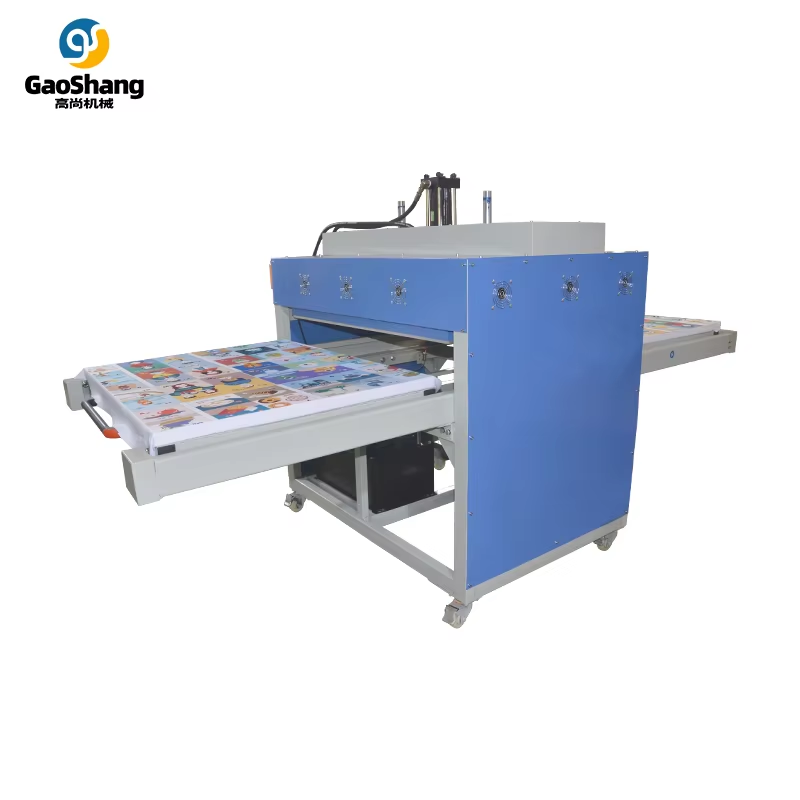
ادغام هوشمند در فضای کار: ارگونومی، سطح اشغال فضا و آمادگی برای آینده
بهینهسازی چیدمان فروشگاه: طراحی فشرده بدون کاهش پوشش صفحه فشار یا راحتی اپراتور
دستگاه پرس حرارتی ۸۰×۱۰۰ سانتیمتر، مساحت قابل توجهی از صفحه فشار (۳۲۰۰ اینچ مربع) را در چارچوبی فشرده و بهینه از نظر فضایی ارائه میدهد—که این امر به فروشگاههای متوسط امکان میدهد تا مناطق تولیدی خود را حداکثر کنند، بدون اینکه نیاز به فضای انباری گسترده داشته باشند. تناسب متعادل ابعاد دستگاه، ادغام آن را از نظر ارگونومیک در جریانهای کار خطی تسهیل میکند و موقعیت بهینهای برای قرارگیری پرس بین ایستگاههای پیشدرمانی و خنکسازی فراهم میسازد تا حرکات اپراتور را در شیفتهای پرحجم تا ۳۵٪ کاهش دهد. مکانیزمهای اهرم زانویی یکپارچه و تنظیم فشار بدون نیاز به ابزار، فشار فیزیکی ناشی از وظایف تکراری را نیز به حداقل میرسانند—که این امر به حفظ بهرهوری پایدار و سلامت بلندمدت اپراتور کمک میکند.
ارتقاءهای ماژولار و سازگانی با لوازم جانبی برای پاسخگویی به نیازهای تولیدی متوسطمقیاس در حال تکامل
سازندگان این سیستمها را با نقاط نصب استاندارد و پروتکلهای رابط طراحی کردهاند تا گسترش تدریجی قابلیتها را پشتیبانی کنند. فروشگاهها میتوانند بدون جایگزینی واحد اصلی، گرمایش دومنطقهای را برای چاپ روی زیرلایههای ترکیبی، کمک خلاء را برای سطوح با بافت یا منحنی، یا صفحات حرارتی خودکار را اضافه کنند. هنگامی که حجم سفارشات افزایش مییابد، پرس حرارتی ۸۰×۱۰۰ بهراحتی با خشککنهای نواری، سیستمهای تغذیه خودکار یا نرمافزارهای کاری دیجیتال ادغام میشود—بدون اینکه سرمایهگذاری اولیه زیان ببرد و در عین حال، ظرفیت تولید قابل مقیاسی را فراهم میکند که با روند رشد واقعی همسو است.

