
 EN
EN
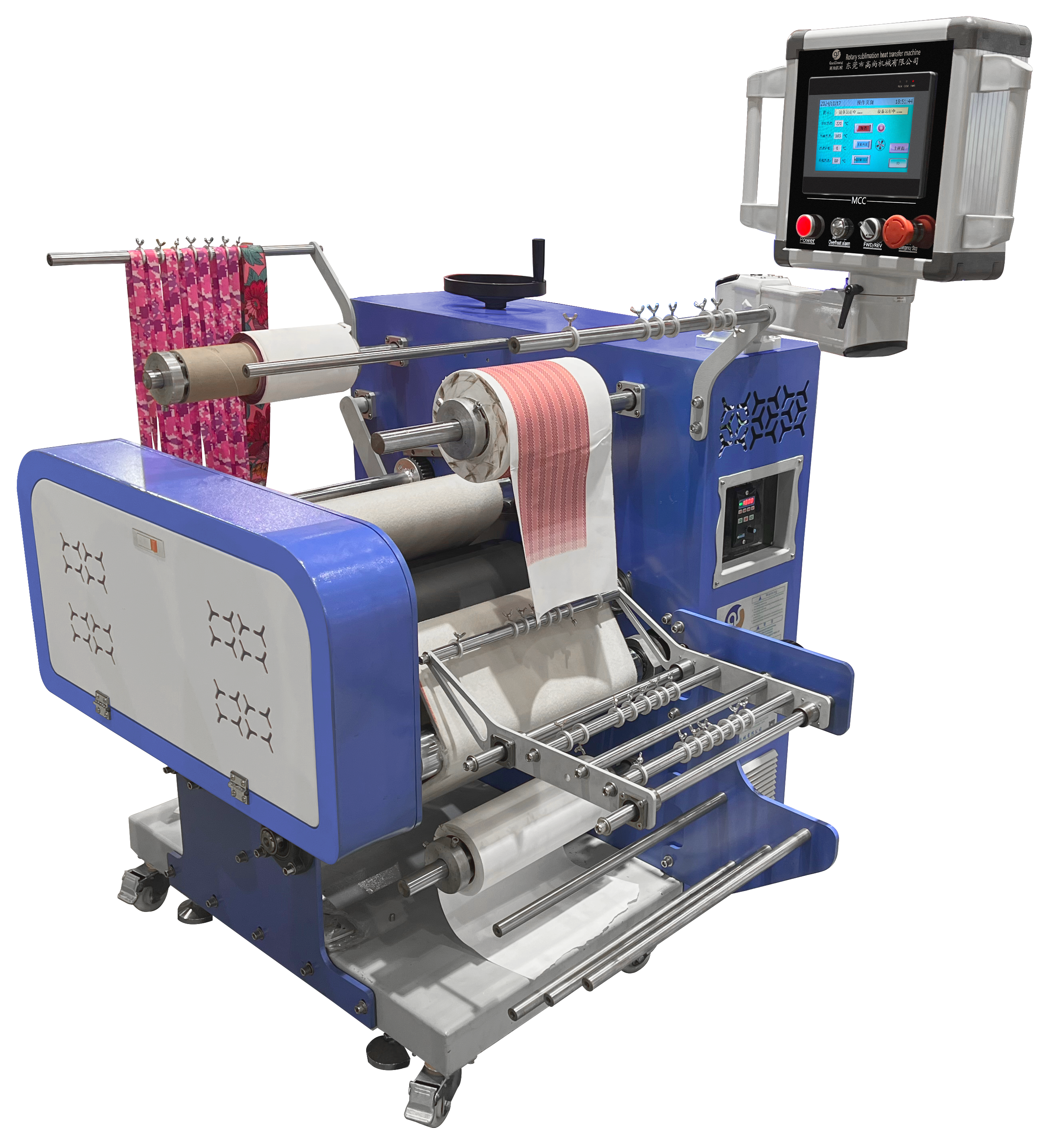
Retorn de la inversió (ROI) i viabilitat comercial de la calandra de sublimació tèxtil al mercat europeu
Anàlisi del punt de ruptura: assolir el retorn de la inversió en menys de 14 mesos a les impremtes tèxtils europees
Les impressores tèxtils d'arreu d'Europa solen recuperar la inversió en sistemes de calandratura per sublimació tèxtil al voltant de 14 mesos després de la instal·lació. Hi ha diversos motius que expliquen aquesta ràpida rendibilitat. En primer lloc, aquests sistemes augmenten la velocitat de producció aproximadament un 20 % respecte als mètodes antics de rotlle a rotlle. En segon lloc, redueixen significativament els residus de material gràcies a un millor control del procés de sublimació de colorants, estalviant aproximadament un 30 % en materials desperdiciats. I, en tercer lloc, s'estalvien uns 18.000 € anuals només perquè cal fer menys ajustos manuals durant l'operació. Preneu com a exemple una empresa de mida mitjana de Leipzig: va poder recuperar totalment la seva inversió en només 13 mesos un cop va traslladar l’80 % de les seves operacions d’impressió sobre polièster a aquesta nova tecnologia. El que realment ajuda des del punt de vista financer, però, són els sensors integrats de manteniment predictiu. Aquests reduiran les parades imprevistes gairebé a la meitat, el que significa que els fabricants eviten gastar uns 740.000 € anuals en avaries d’equipaments, segons una investigació de l’Institut Ponemon de l’any 2023.
Cost total de propietat: estalvis en IVA, energia i manteniment respecte als sistemes de platina i els sistemes antics de rotllo a rotllo
Durant cinc anys, la calandra de sublimació tèxtil ofereix un cost total de propietat (CTP) un 38 % inferior al dels sistemes de platina o als sistemes antics de rotllo a rotllo:
| Factor de cost | Calandra de sublimació | Sistemes de platina | Sistemes antics de rotllo a rotllo |
|---|---|---|---|
| Consum d'energia | 11 kW/h | 19 kW/h | 15 kW/h |
| Manteniment anual | €2,100 | €6,800 | €4,500 |
| Potencial de recuperació d'IVA | 92 % elegible | 67 % elegibles | 58 % elegibles |
Què fa que aquest sistema sigui tan eficient? Tot es redueix a la tecnologia de transferència directa de calor, que evita aquells molestos passos de tractament previ que requereixen la majoria de secadors convencionals. El consum d'energia disminueix aproximadament un 42 %, cosa que equival a estalviar uns 8.400 euros anuals per als fabricants europeus que treballen amb tarifes elèctriques industrials estàndard, segons les dades d'Energy Star EU de 2024. I hi ha un altre avantatge que moltes empreses passen per alt: pel que fa a la paperassa, aquests sistemes simplifiquen la feina de les operacions d'impressió europees. De fet, recuperen entre 15.000 i 28.000 euros en IVA gràcies a documents de conformitat molt més senzills, possibles gràcies a informes digitals estandarditzats. A més, la construcció modular implica que els tècnics dediquen uns 25 hores menys cada mes al manteniment, ja que els components es poden substituir sense necessitar eines especials. Això suposa una economia significativa a llarg termini.
Rendiment en producció d’alta volumetria: velocitat, consistència i conformitat amb la UE
Manteniment de la precisió del color entre lots — compliment de les normes EN ISO 105-J03 i de l’Etiqueta Ecològica de la UE
Obtenir colors coherents en grans sèries de producció és molt important per a les marques que volen mantenir la seva imatge i complir les estrictes normatives de la UE. El sistema tèxtil de sublimació Calandra aconsegueix mantenir les diferències de color per sota de 0,8 Delta E entre lots diferents. Això es pot fer perquè controla amb precisió tant la temperatura com la pressió durant el procés real de sublimació. Aquests controls ajuden a complir l’estàndard EN ISO 105-J03 pel que fa a la resistència dels colors després del rentat i de l’exposició a la llum. A més, aquesta configuració redueix la necessitat de reimprimir peces degut a problemes com la migració dels colorants o la decoloració progressiva. El que fa destacar encara més aquest sistema és la seva eficiència energètica. En comparació amb mètodes antics, consumeix un 32 % menys d’energia, segons l’Informe de Sostenibilitat Tèxtil de l’any passat. Aquest tipus d’estalvi ajuda els fabricants a acostar-se als objectius de la Marca Ecològica de la UE per reduir les emissions de carboni. I tot això funciona gràcies a sensors automàtics que verifiquen constantment tot el procés en segon pla. No cal que ningú ajusti manualment els paràmetres al llarg del dia. Com a resultat, les fàbriques poden funcionar sense interrupcions produint més de 5.000 metres cada dia sense haver de preocupar-se per pèrdues de qualitat, tant si treballen amb materials sintètics com amb barreges de teixits.
Aplicacions industrials escalables amb calandradora de sublimació tèxtil
Producció de vestuari: escalat de 500 a 5.000 unitats/dia sense augmentar la mà d'obra (cas del Berlin Sportswear Hub)
Una empresa berlinesa d'indumentària esportiva ha aconseguit augmentar la seva producció diària de només 500 peces fins a 5.000, sense contractar cap personal addicional. Ho ha aconseguit instal·lant sistemes d’alimentació automàtics i fent que els seus controls de transferència tèrmica funcionessin de forma coordinada i fluida. La nova configuració regula automàticament la tensió del teixit, de manera que els treballadors ja no han d’ajustar manualment tots els elements. A més, els ajustos de temperatura es realitzen contínuament durant la producció, el que assegura una coherència uniforme en les transferències, fins i tot quan la màquina funciona durant hores seguides. Segons la revista TextileTech Review de l’any passat, aquests canvis van reduir les despeses laborals aproximadament un 28 %. Això permet complir molt més ràpidament els comandes urgents de col·leccions estacionals. Les màquines poden funcionar de forma contínua durant gairebé 18 hores seguides, una característica que resulta especialment útil per fer front als terminis ajustats habituals en el món de la moda ràpida. I el millor de tot? La qualitat roman intacta, fins i tot amb teixits elàstics de polièster-elastà, molt comuns avui dia en la indumentària esportiva.
Decoració per a l'habitatge i articles promocionals: transició sense interrupcions entre tipus de teixits i longituds d’execució
Gràcies a la seva construcció modular, canviar entre diferents materials esdevé una tasca senzilla: penseu, per exemple, en cortines pesades respecte a banderetes lleugeres de polièster; no cal perdre temps en reajustar tot el sistema. L’equipament inclou de fàbrica presets digitals per a més de cinquanta combinacions de teixits, i els dos rodets de pressió s’ajusten automàticament quan detecten diferències d’espessor durant la mateixa execució productiva. Què significa això pràcticament? Una fàbrica pot passar de fabricar centenars d’articles promocionals a diversos milers de metres de tèxtil per a l’habitatge sense haver d’aturar tota la línia de producció. A més, la temperatura roman força estable, amb una variació d’aproximadament ±1,5 °C durant aquests canvis de material. Això ajuda a evitar que els colors es despentinin en teixits de cotó-polièster i assegura que els productes compleixin la normativa europea ambiental aplicable als tractaments per a finestres, revestiments per a mobles i tèxtils decoratius en general.
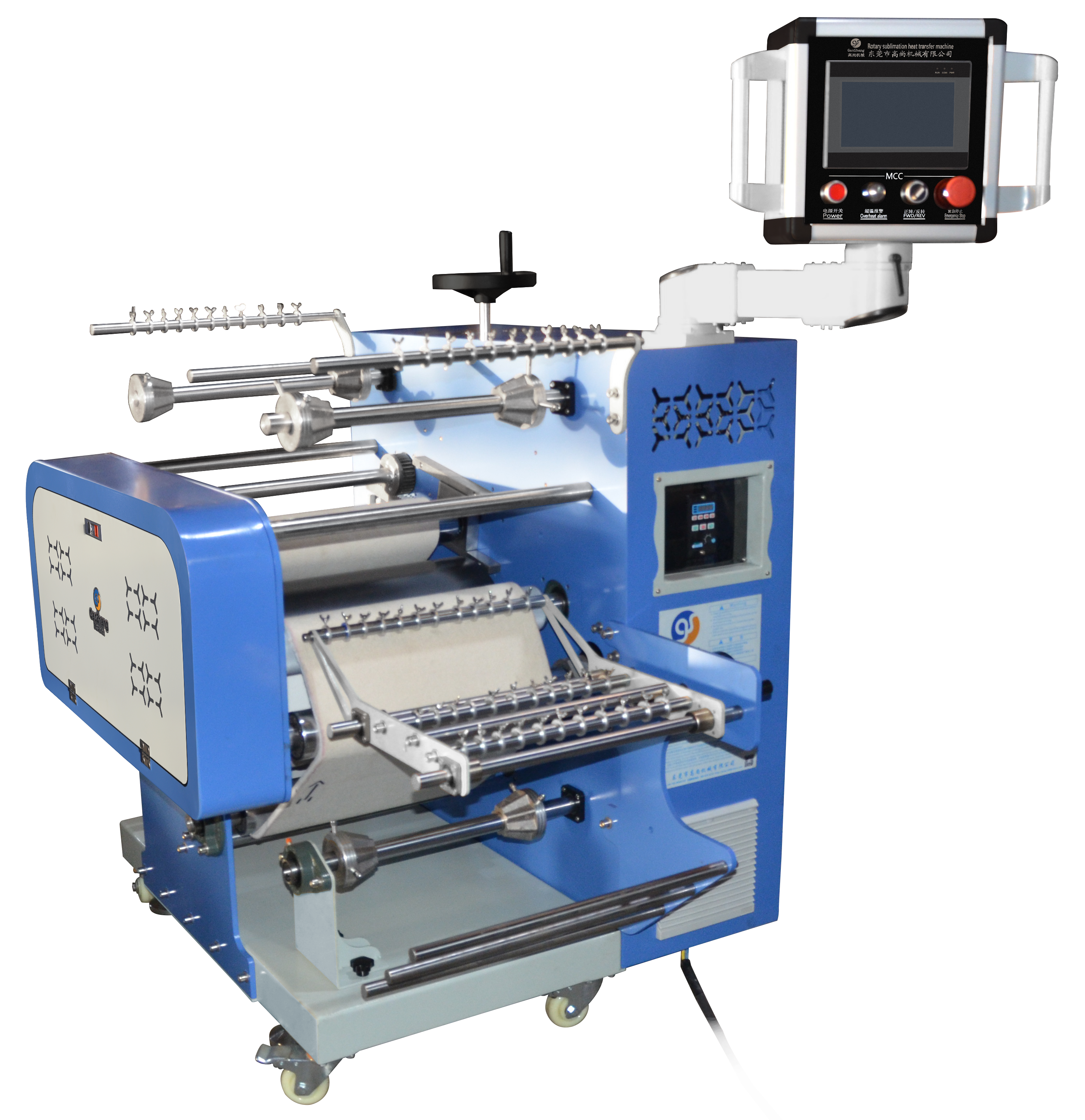
Versatilitat del teixit i avantatges tècnics de la calandratura per sublimació textil
Mescles de polièster i cotó amb un rendiment de transferència del 92 %: solució per a la migració de colorants per al compliment normatiu al detall europeu
El procés tèxtil de sublimació Calandra ofereix resultats impressionants amb una eficiència de transferència d’aproximadament el 92 % en les barreges habituals de polièster i cotó amb què treballen la majoria de fabricants. Aquest rendiment compleix allò que molts consideren l’estàndard d’or en l’ús de materials a l’indústria. Però més enllà dels números, resol un problema seriós anomenat migració de colorants. Quan els pigments no són prou estables, tendeixen a desplaçar-se entre diferents fibres després de múltiples rentades o quan els teixits freguen entre ells. Aquest problema no afecta només l’estètica. Segons regulacions com l’Annex XVII del REACH, les empreses assumeixen riscos financers reals si els seus productes contenen residus de colorants restringits. La tecnologia actua bloquejant les molècules de pigment durant el procés de transferència a alta temperatura. Això significa que ja no hi ha pèrdua de colors ni tan sols després de desenes de cicles de rentat. Les fàbriques ja no necessiten invertir temps ni diners per corregir manualment les inconsistències cromàtiques. Els productes superen sistemàticament les estrictes proves EN ISO 105-J03 de resistència al color. Com a conseqüència, els detallistes europeus gairebé mai rebutgen embarcaments per problemes de conformitat. Aquesta fiabilitat ajuda a mantenir relacions fortes amb marques que valoren tant la qualitat com el compliment normatiu.
El contingut
- Retorn de la inversió (ROI) i viabilitat comercial de la calandra de sublimació tèxtil al mercat europeu
- Rendiment en producció d’alta volumetria: velocitat, consistència i conformitat amb la UE
- Aplicacions industrials escalables amb calandradora de sublimació tèxtil
- Versatilitat del teixit i avantatges tècnics de la calandratura per sublimació textil

